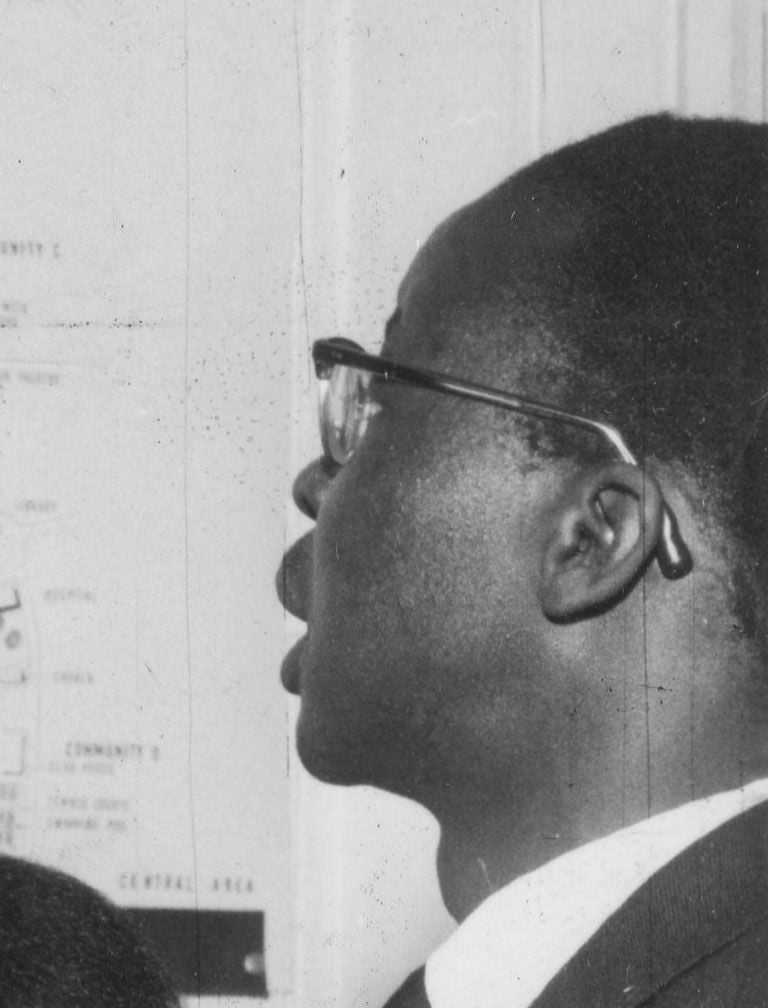
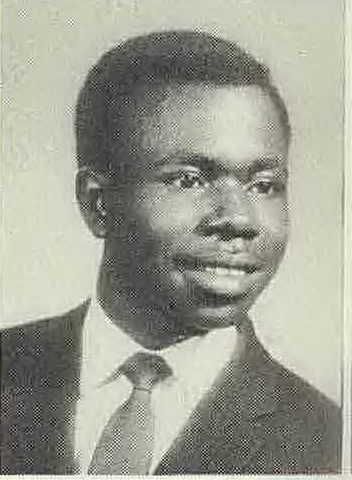
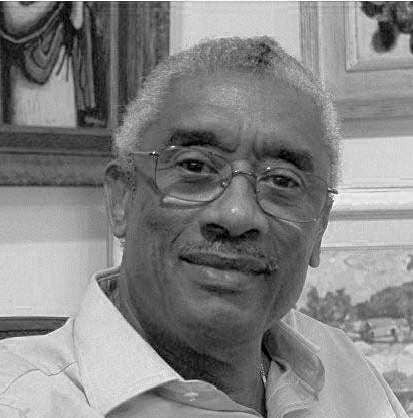
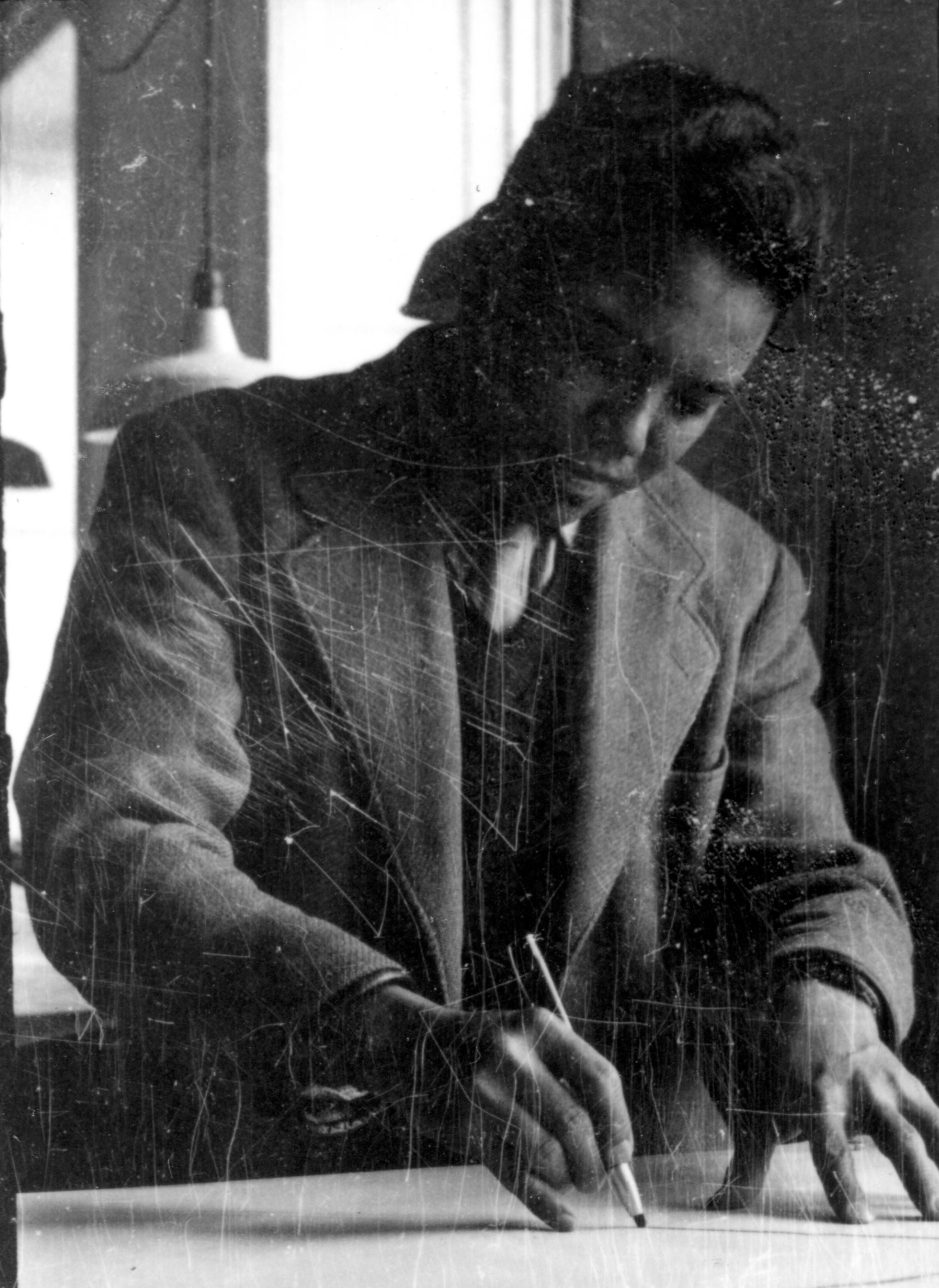
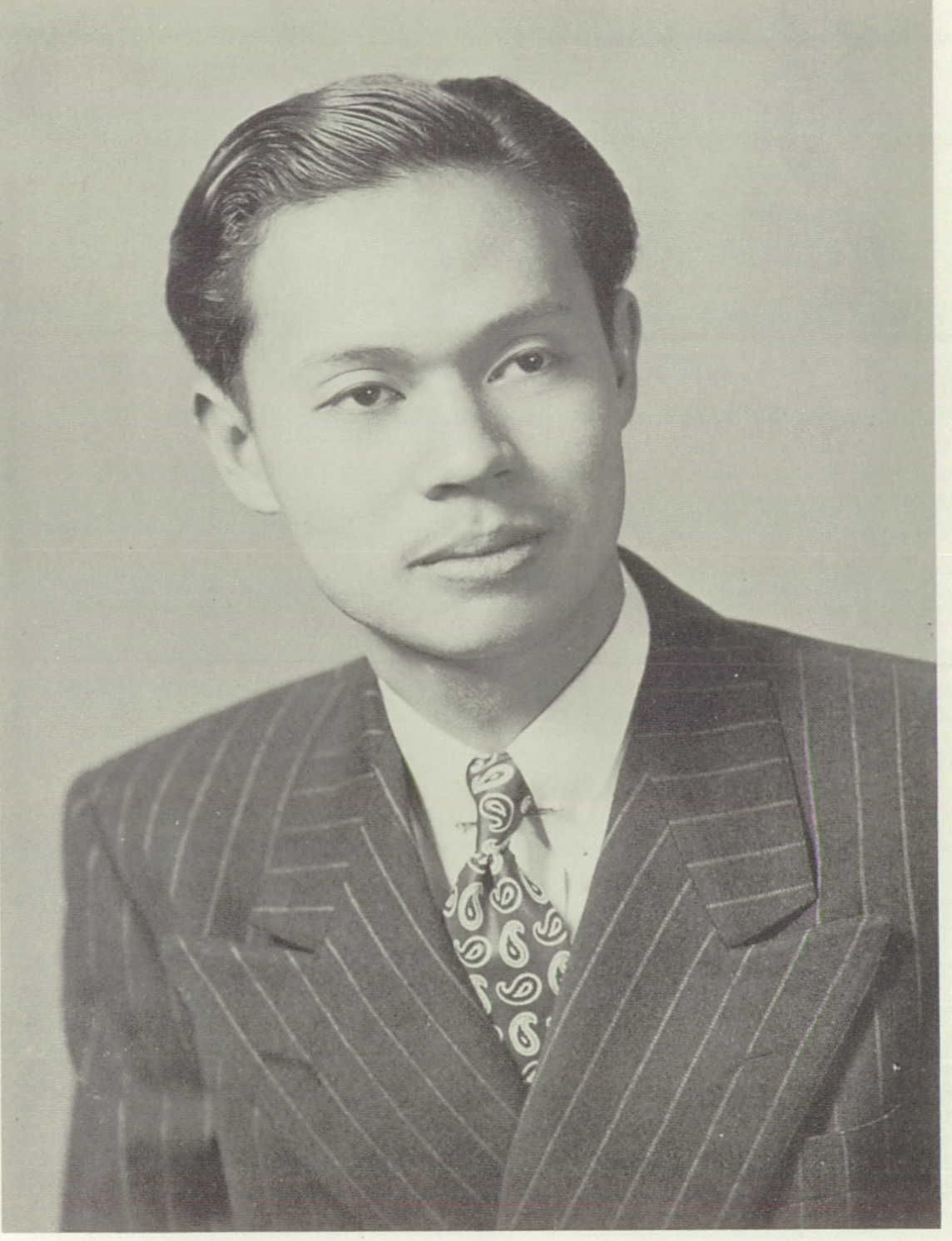
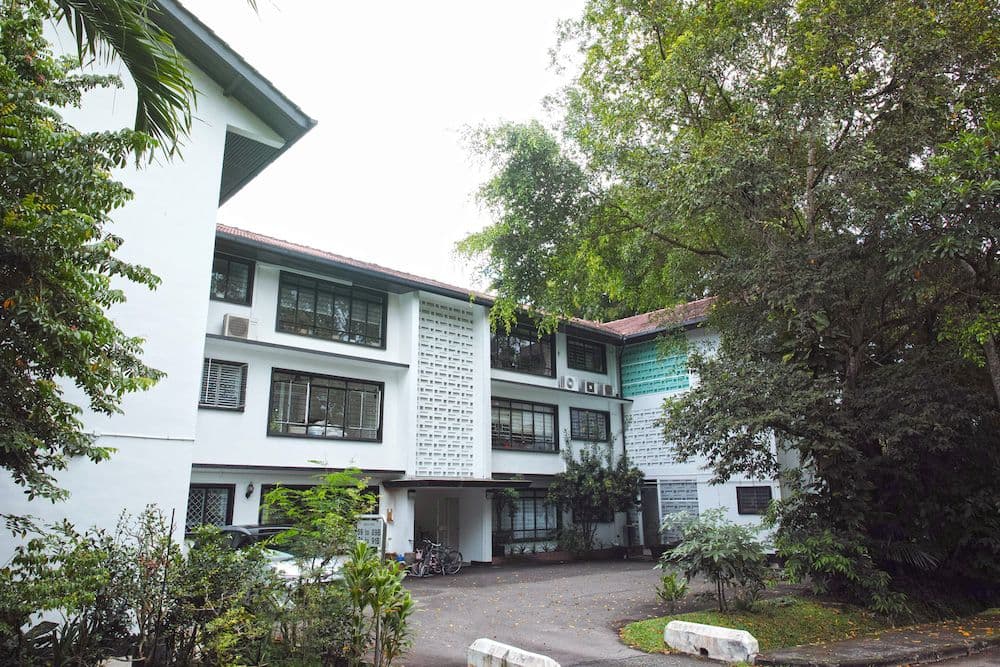
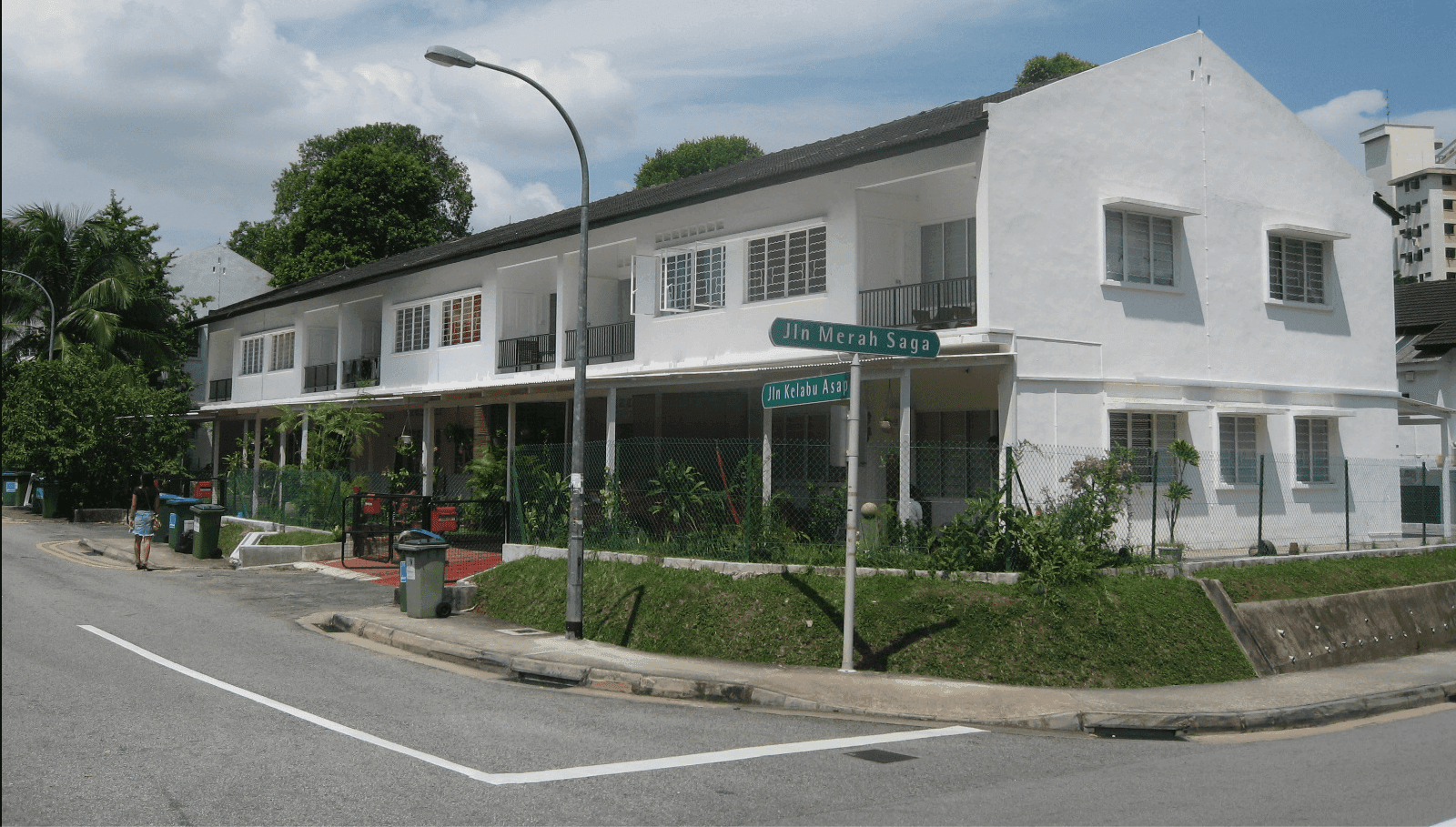
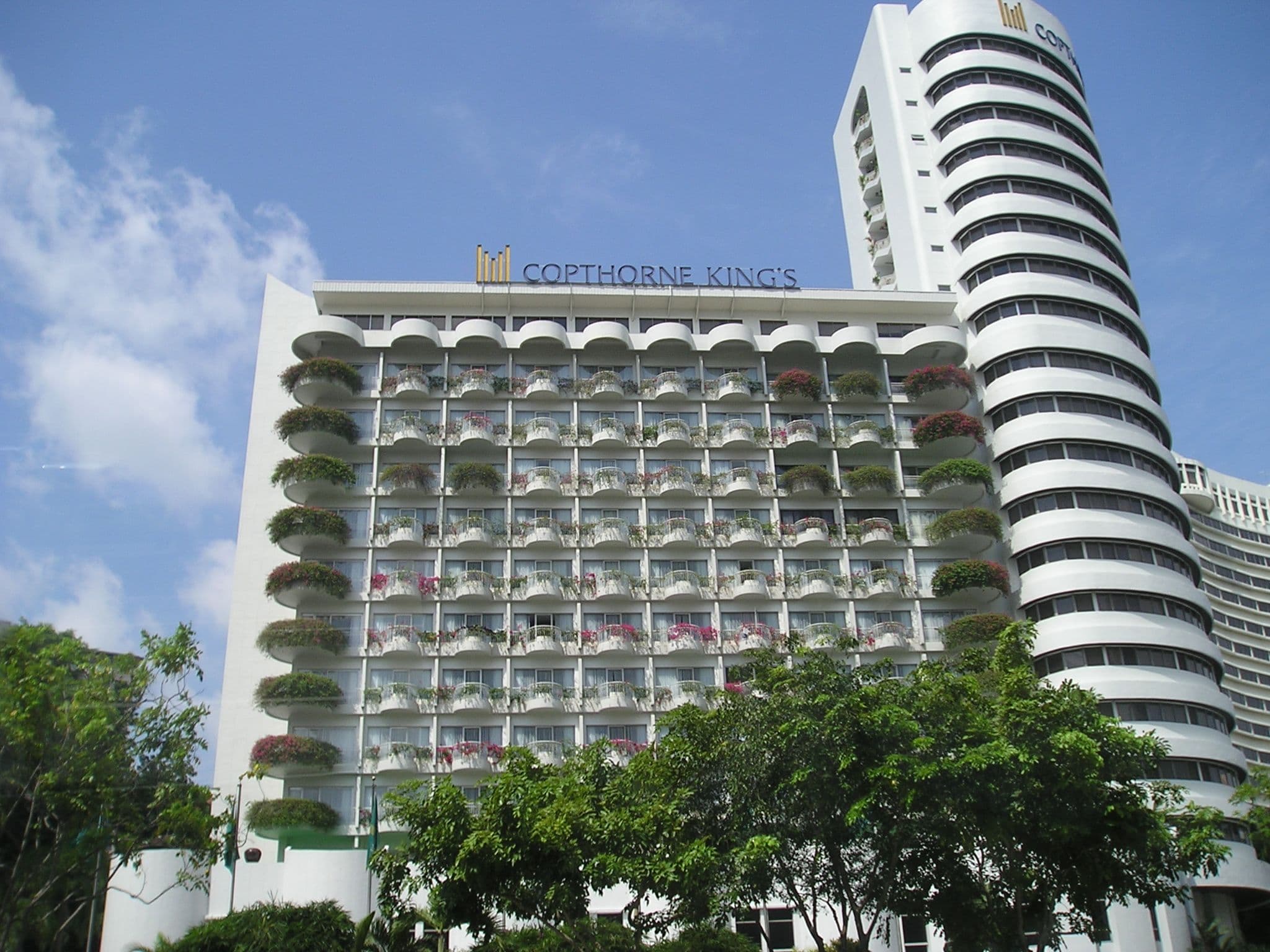
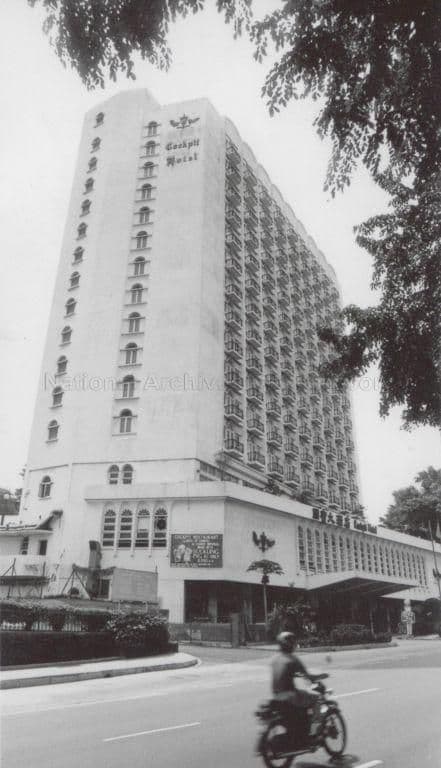
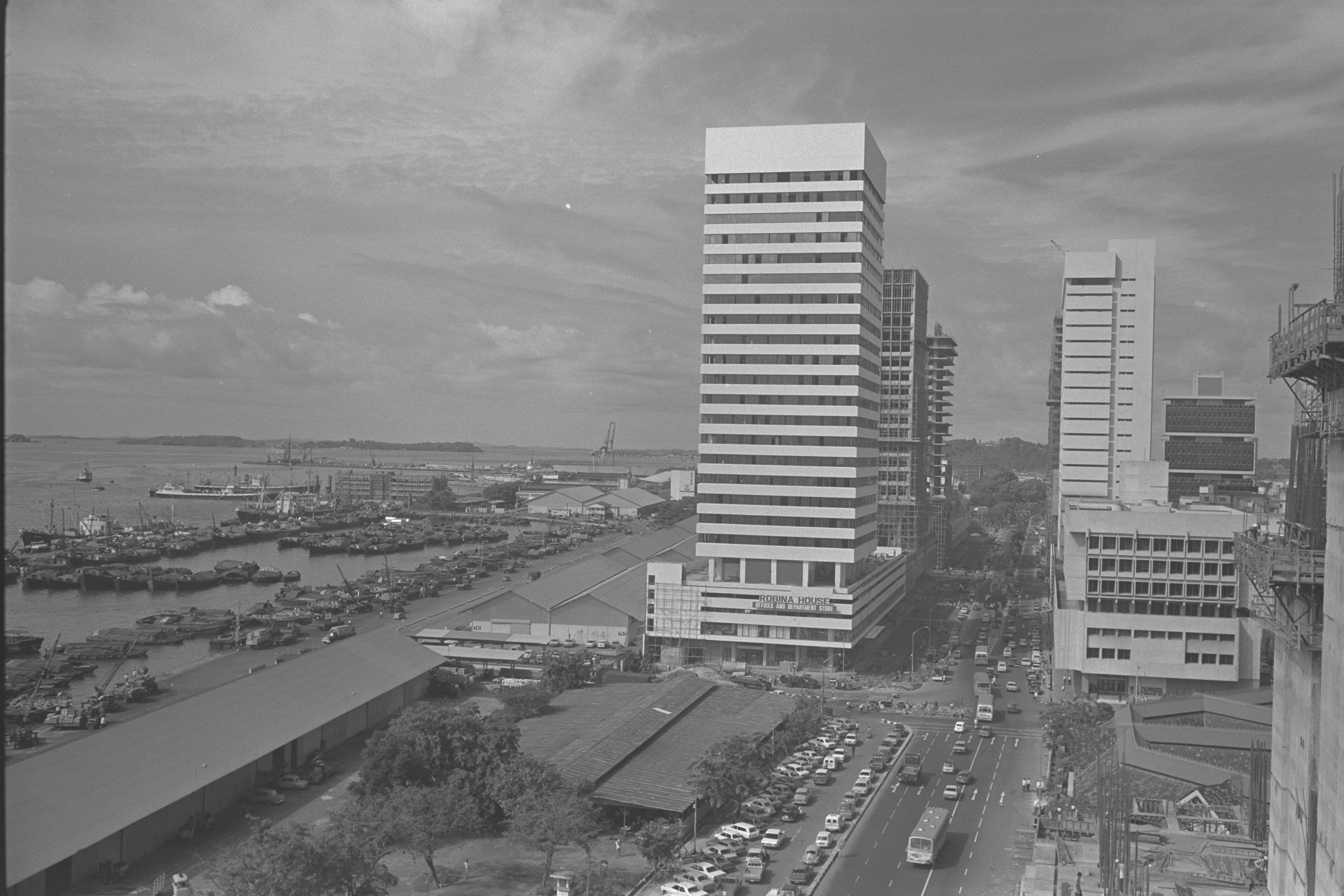
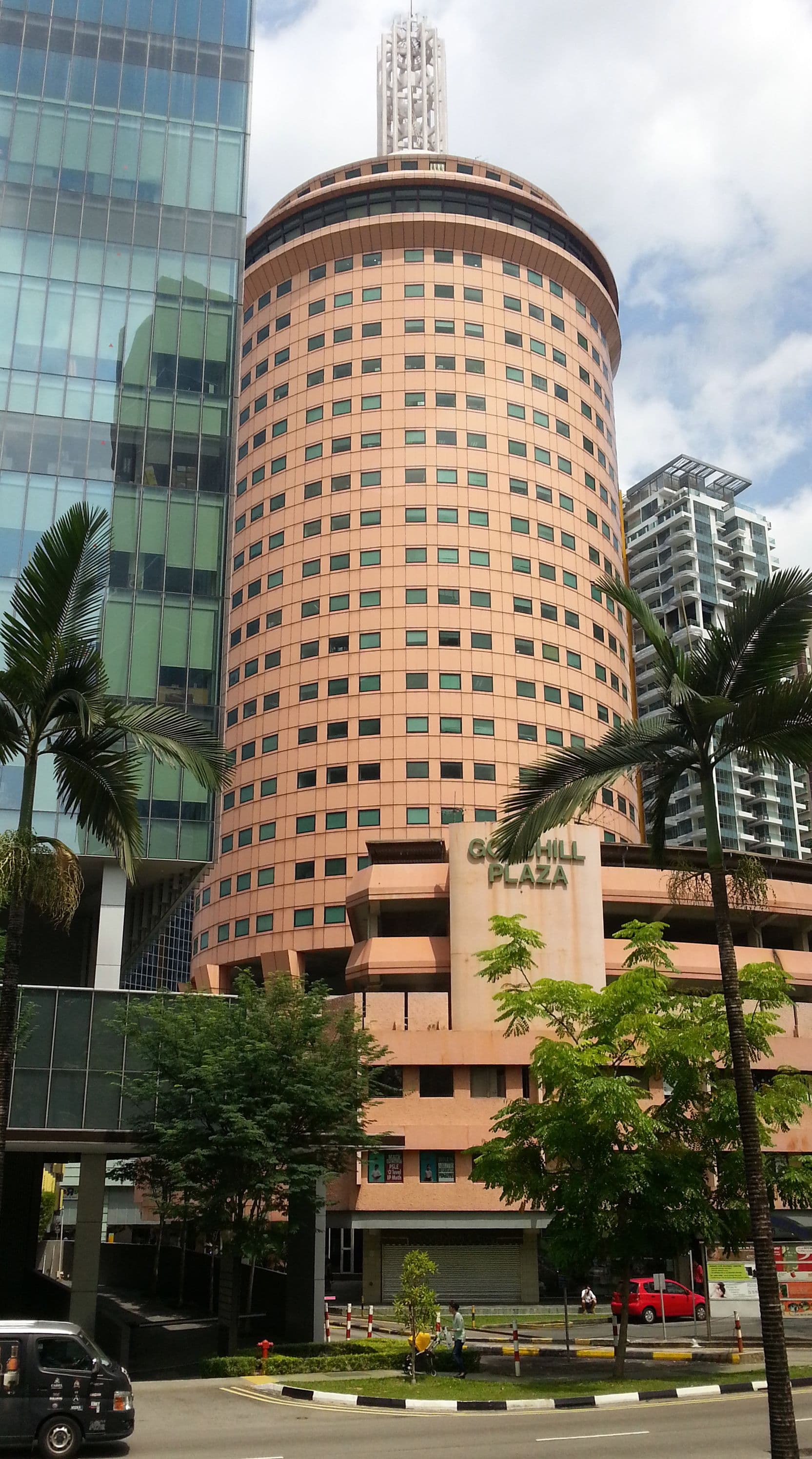
Yang Tai Tye is recorded as enrolled as a Singaporean post-graduate student at the Architectural Association’s (AA) Department of Tropical Architecture in 1958-59. He was educated at the Anglo-Chinese School in Singapore and spent time in Malaya, during the Japanese occupation, before attending the prestigious Hackley School in Tarrytown, New York, from 1947 to 1950. In September 1954 he arrived in the UK, from New York, and studied architecture at Birmingham, where he qualified in 1957. He subsequently worked for two architectural and engineering practices prior to taking up his place at the AA in September 1958. After completing the postgraduate course in Tropical Architecture, Yang appears to have travelled extensively, before returning to Singapore by mid-1961. An article in the Straits Times from July 1961 reported how, in the UK, he had met and married Maria Tsaparilas, a Greek fashion design student, and that they were planning to build a unique cottage on the East Coast of Singapore incorporating both “modern techniques of architecture as well as ancient Greek lines”. Whether their home was realised is not clear, but certainly Yang’s architectural career took off rapidly and within a couple of years was designing 77-94 Linden Drive, a set of six accommodation blocks for the staff of the University of Singapore – each block demonstrating principles taught at the AA Department of Tropical Architecture, including the use of extended eaves for providing shade and shelter, cantilevered canopies, and a plan maximising air circulation. By 1965 Yang’s practice was also working on Chip Bee Gardens, in District 10, - a mixed-use, private residential estate providing shops and living quarters for married British military personnel. The estate was considerable project, with Yang’s office being contracted for 349 three-bed houses and 7 nine-storey apartment blocks, together with 20 shops, also with apartments above. By this stage Yang’s practice as ideally positioned to take advantage of the government land sales organised by the newly formed Urban Renewal Department (URD), which had been established within the Housing and Development Board in 1966 in order to redevelop the key Central Area of Singapore. In the first such sale, in 1967, Yang was the architect for a consortium which were awarded a site on the corner of Havelock Road and Outram Road. The resulting King’s Hotel (now Copthorne King’s Hotel) opened in 1970, comprised a twelve-story tower block with distinctive semi-circular balconies. In the second URD sale, of 1968, Yang was also appointed architect for a group developing a site on the corner of Shenton Way and Mc Callum Street. The resulting office block, Shing Kwan House, was completed in 1974 and took the form of a twenty-storey slab block, sitting upon a three-storey podium which extended the entire length of the building. This block (demolished 1990s) formed part of the so-called ‘Golden Shoe’ development of prime land within the heart of what is now Singapore’s financial district. Other major projects from this period include the luxury Cockpit Hotel (1972 - demolished 2002), the Goldhill Plaza tower (in association with Eric Cummine), Nassim Mansion (1977) in the exclusive District 10, and the Strait Harbour View Hotel (1984).
Sources
- Architectural Association Council Minutes Books, 23rd February, 1959, p317, AA Archives
- Architectural Association Membership List, 1961, 1979
- General Register Office; United Kingdom; England and Wales Civil Registration Indexes, Volume: 9c; Page: 1099
- London, England, UK; Board of Trade: Commercial and Statistical Department and Successors: Inwards Passenger Lists; Class: Bt26; Piece: 1318; Item: 100
- "U.S., School Yearbooks, 1880-2012"; School Name: Hackley School; Year: 1950
- ‘They plan to build a Greek home (S’pores first) on East coast’, The Singapore Free Press, 29th July, 1961, p.7
- ‘Architect back from course in England’ The Straits Budget, 23rd August, 1961, p.7
- Royal Institute of British Architects, Kalendar of the Royal Institute of British Architects, 1965, p247
- ‘A home among homes in a village setting’ New Nation [Singapore], 25th March, 1972, p.17
- Wee, A. ‘Hotel at edge of banking district,’ The Business Times [Singapore], 25th August, 1980, p12
- A pictorial chronology of the Sale of Sites Programme for private development, Urban Redevelopment Authority, 1983.
- Edwards, N., Keys, P. Singapore - A Guide To Buildings, Streets, Places, National Library Board Singapore, 1988, p.598
- Seng, E. ‘Temporary Domesticities: The Southeast Asian Hotel as (re)presentation of modernity, 1968-1973’, Journal of Architecture, Vol. 22, No.6, 2017, pp.1092-1136