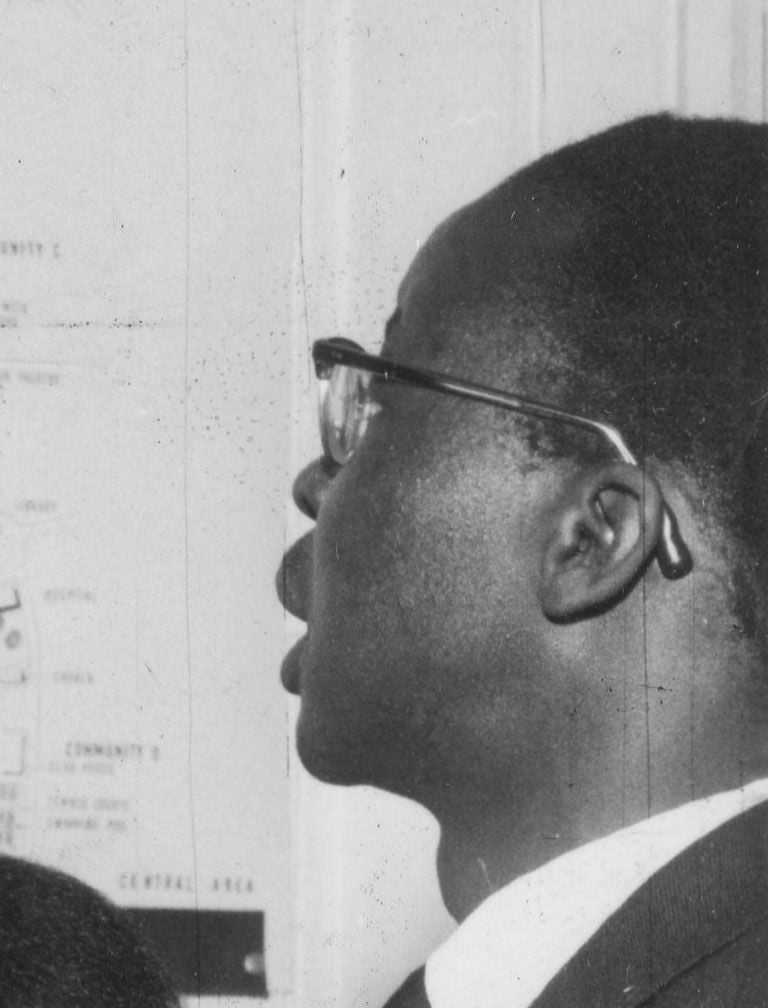
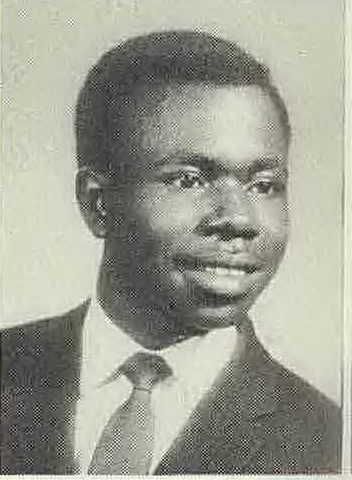
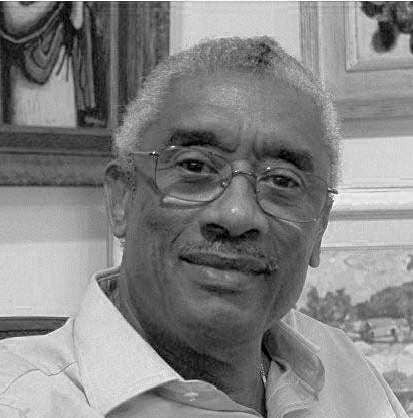
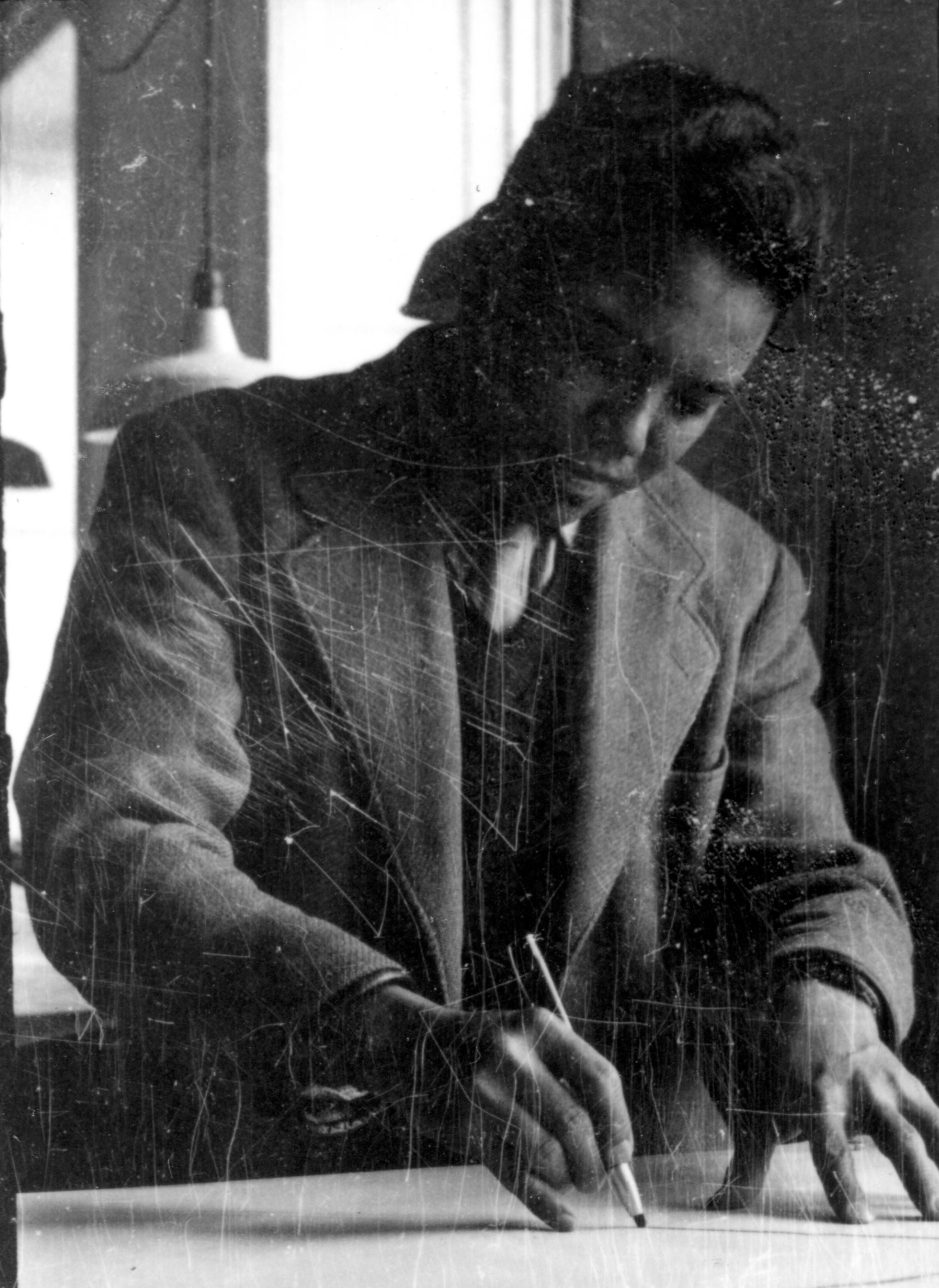
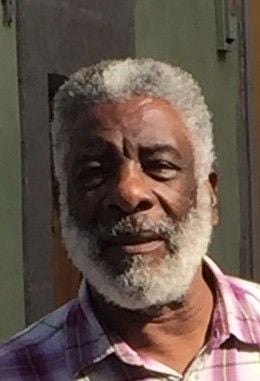
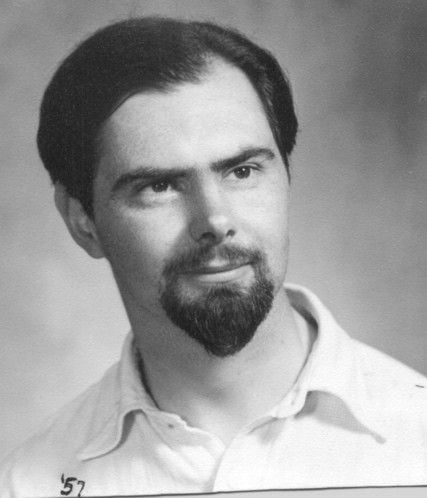
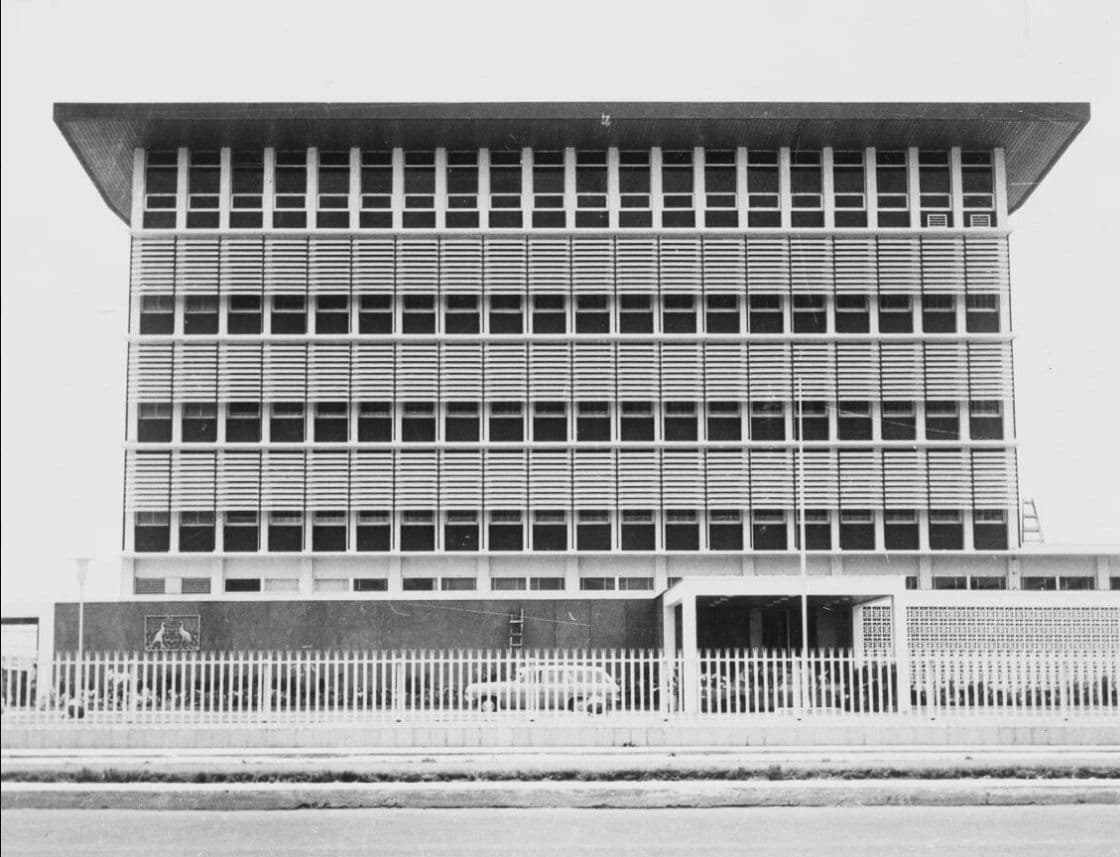
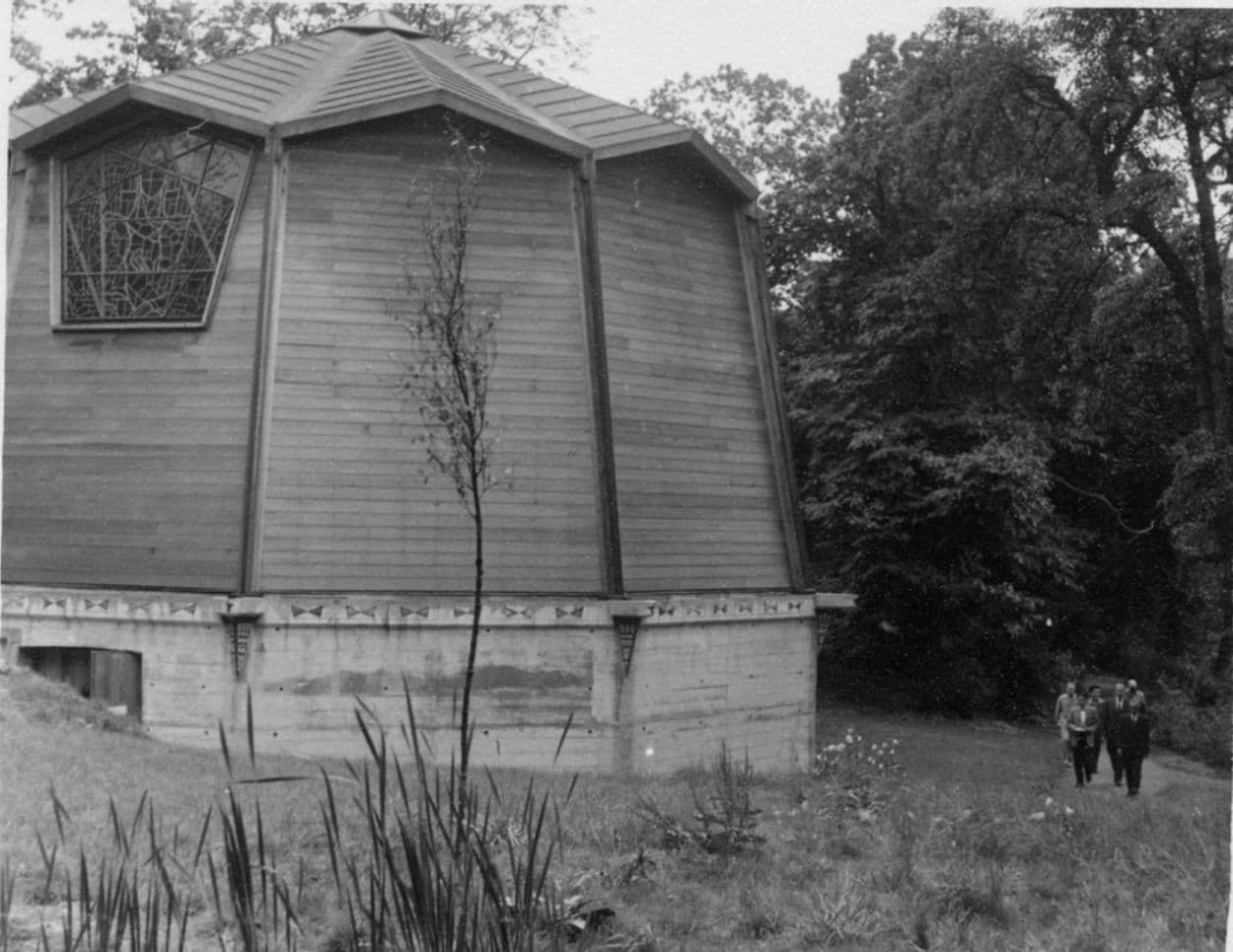
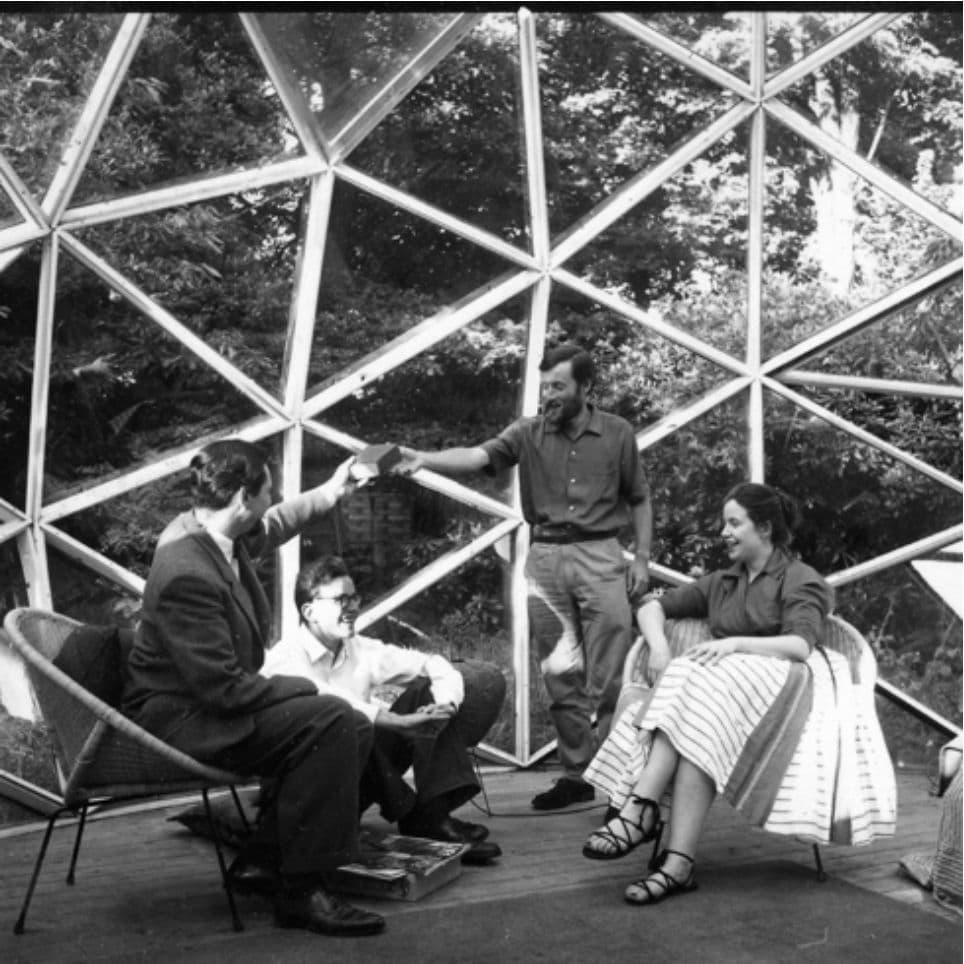
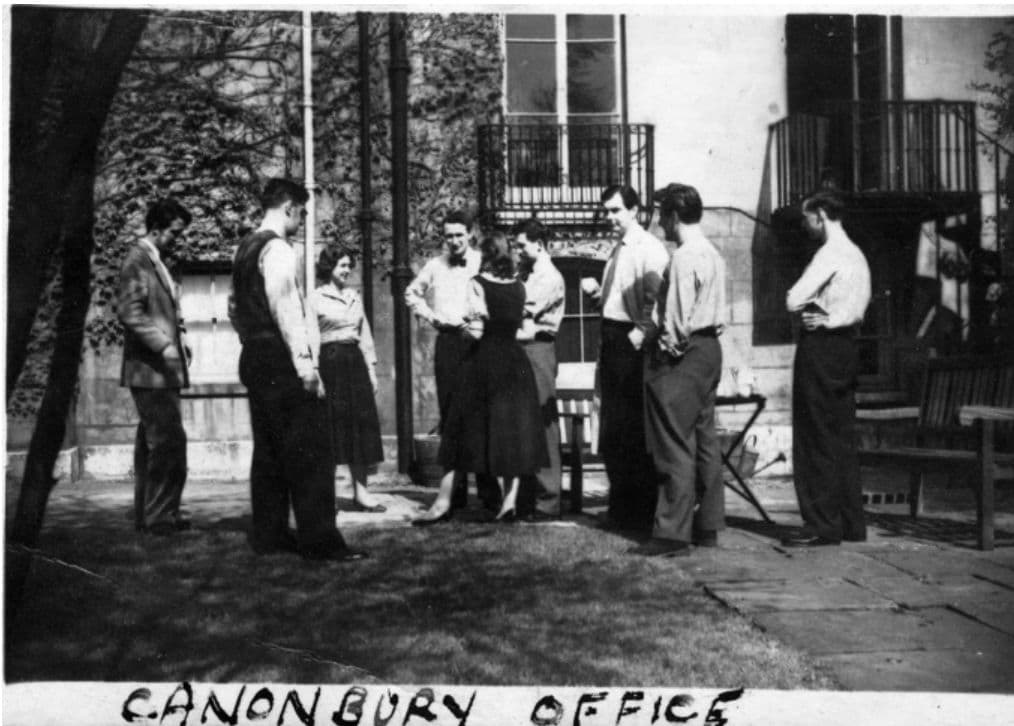
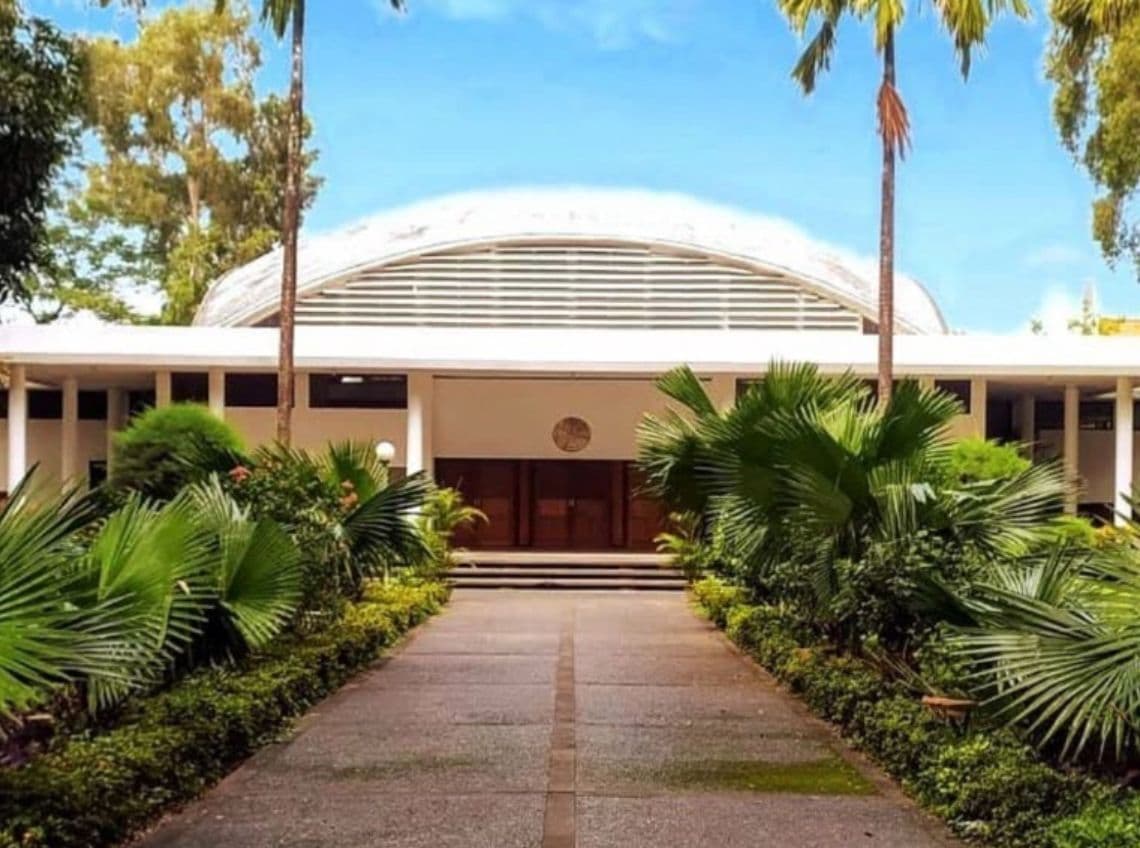
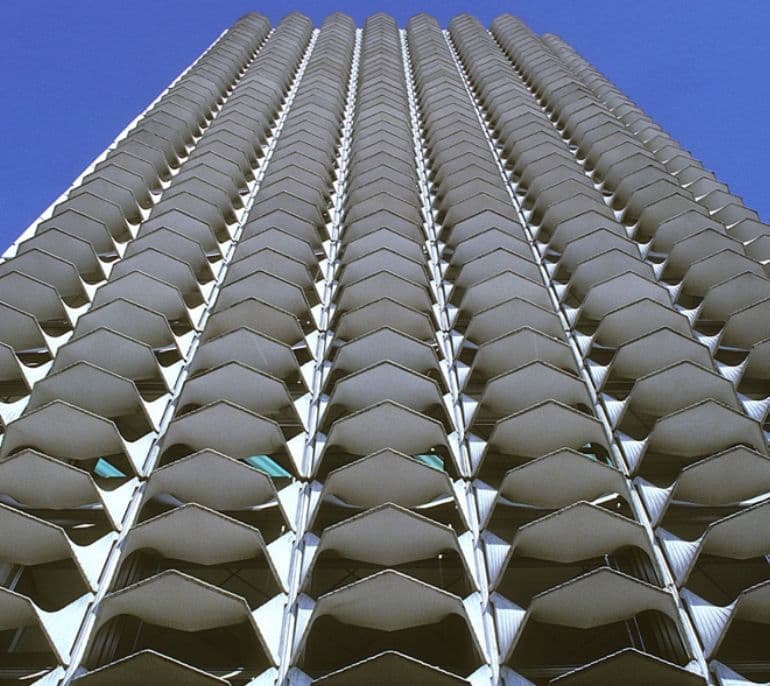
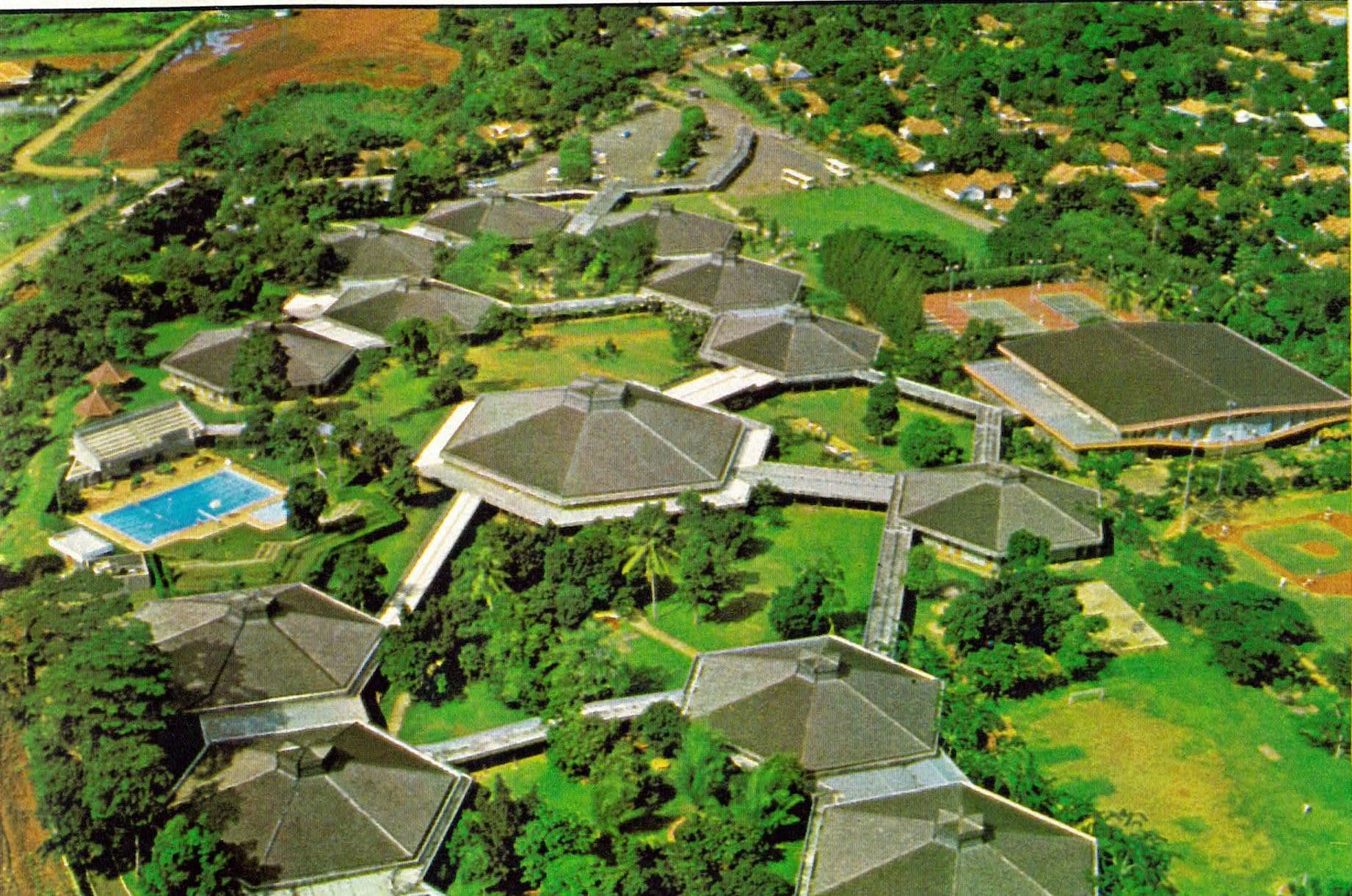
Hugh Godfrey Pope (also known as Abdullah Hugh Godfrey Pope) was born on 12 April 1928 in Kandy, Sri Lanka—then the British colony of Ceylon. At the age of four, his family returned to England. During WWII, he was evacuated to a school in Somerset and later attended secondary school at Charterhouse, Surrey, where he recalled the surreal experience of sitting final exams as bombs fell in the fields nearby. After finishing school, Hugh joined the army and was stationed at an Ordnance Depot in the Egyptian desert, notable for housing 5,000 German prisoners of war, guarded by 2,000 British soldiers. This period, marked by exposure to war and his travels to ancient Egyptian sacred sites, sparked his lifelong interest in spirituality. It was also in Egypt that an officer introduced him to the teachings of Gurdjieff, a spiritual teacher and mystic. Upon returning to England, Hugh earned a scholarship to study history at Cambridge University, though his true passion lay in classical music. When he did not pass his audition, his mother encouraged him to pursue architecture, continuing a family tradition—his great-grandfather, Sydney Smirke (FRIBA), was the architect of the British Museum’s reading room and other buildings and had trained under his older brother, Sir Robert Smirke RA. Hugh was accepted into the Architectural Association (AA) in 1949, and studied under principal Robert Furneaux Jordan, who was highly regarded by students. Hugh and a number of other AA students were closely engaged with J.G. Bennett’s (1897-1974) community at Coombe Springs, Kingston-Upon-Thames, influenced by the teachings of George Ivanovich Gurdjieff (d1949), and contributed to the design and construction of the nine-sided Djamichunatra meeting hall (visited by Frank Lloyd Wright in 1957) - inspired by the Enneagram, a symbol representing universal laws and human development. During his time at the AA, Hugh also worked for Sir Howard Robertson on the Shell Centre office buildings in London, and, after passing his RIBA exams, he joined the practice of Sir Basil Spence, architect of the new Coventry Cathedral. In 1955, he married Jenny Stewart, and together they moved to Coombe Springs. By 1958, Hugh had built and lived in one of England’s first geodesic domes (Beverley Lodge, Coombe Springs) which attracted media attention at the time. In 1957, Hugh and Jenny experienced a significant pivotal time in their lives when they joined Subud, an Indonesian spiritual movement introduced to them by J.G. Bennett, who saw it as a natural evolution from the teachings of Gurdjieff. The following year, they moved to California, partly to assist in arrangements for the visit of Muhammad Subuh Sumohadiwidjojo (Bapak) (1901-1987), the founder of Subud. They then travelled to Jakarta in 1962 to help establish the beginnings of an international Subud centre. During this period, Hugh also worked as an architect for the Jakarta City Council and it is within this context that he is recorded as returning to the AA in September 1963, to attend the Department of Tropical Studies postgraduate course. He is listed as having applied for ‘lectures only’ indicating that he was auditing the course, rather than obtaining a formal qualification. In January 1965 Hugh returned to Jakarta and for six months worked as the architectural supervisor on the new Australian Embassy building, on Jalan MH Thamrin, but was urged by Bapak to leave the country, to escape the turmoil which accompanied the overthrow of President Sukarno. Pope travelled to New Zealand with his family and remained in Auckland until they could return to Indonesia the following year. In late 1966 Bapak formed a company of Subud architects and engineers, called ‘International Design Consultants’ (IDC), based in Jakarta. One of the first foreign investment firms to be registered in Indonesia, the practice brought together Pope, Rami Winkler (a fellow student at the AA Department of Tropical Architecture) and Lamaan van Sommers, as founding Directors. Amongst the early works by IDC were the renovation of the Australian Ambassador’s residence in Jakarta, as well as the design and construction of a large Subud meeting hall in Cilandak, South Jakarta. At its peak, the firm employed 75 staff, including engineers, quantity surveyors, and architects. During this time Hugh and Jenny converted to Islam and changed their names to Abdullah and Salamah respectively. By the mid-1970s, the practice had grown significantly, and was designing numerous schools, office buildings and factories within Indonesia. Its largest project appears to have been the planning and design of a gated settlement for the township of Sorowako, housing foreign workers for INCO’s nickel mine, on the island of Sulawesi. Most significant amongst Abdullah’s designs is perhaps the campus for the Joint Embassy School in Jakarta (now the Jakarta Intercultural School). In the late 1970s, Abdullah and IDC staff worked closely with the lead architect, Hasan Vogel, on the iconic S. Widjojo Centre, in Jakarta (1978-80) (now the Sequis Center) a 12- storey building in central Jakarta featuring lightweight glass reinforced concrete (GRC) sunscreens—a pioneering example of thermally efficient building that is still studied by Indonesian architectural students many decades later. After three decades in Indonesia, Abdullah and Salamah retired to Australia in 1992, bringing with them a rich tapestry of experiences shaped by their lifelong commitment to the Subud association. Spirituality remained the cornerstone of Abdullah’s life, guiding his personal growth and professional choices. His legacy endures not only in the buildings he designed and the communities he nurtured, but also in his example of living with purpose, humility, and a profound sense of connection to something greater than himself.
Sources
- Architectural Association Student Register, 1945-1972, AA Archives
- Architectural Association Membership Register, 1969, AA Archives
- Architectural Association Journal, 1962, Vol. 78, p200
- The National Archives, London, UK; Board of Trade: Commercial and Statistical Department and Successors: Inwards Passenger Lists; Class: Bt26; Piece: 972; Item: 41
- Raymond van Sommers, A Life in Subud, Dawn Books, 2003
- Pope, M., ‘Salamah Pope’s Obituary (died August 30, 8:50pm),’ SubudVoice. No. 75, October 2017
- Personal correspondence, Rashidah Pope, December-January, 2025-2026.