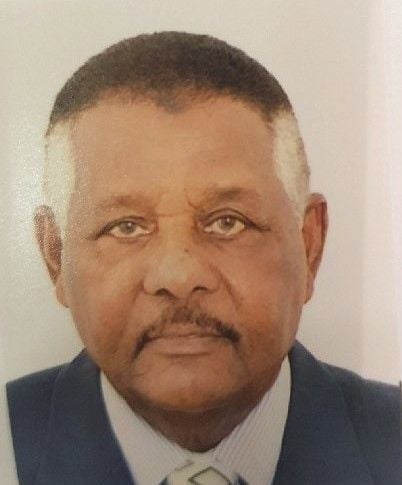
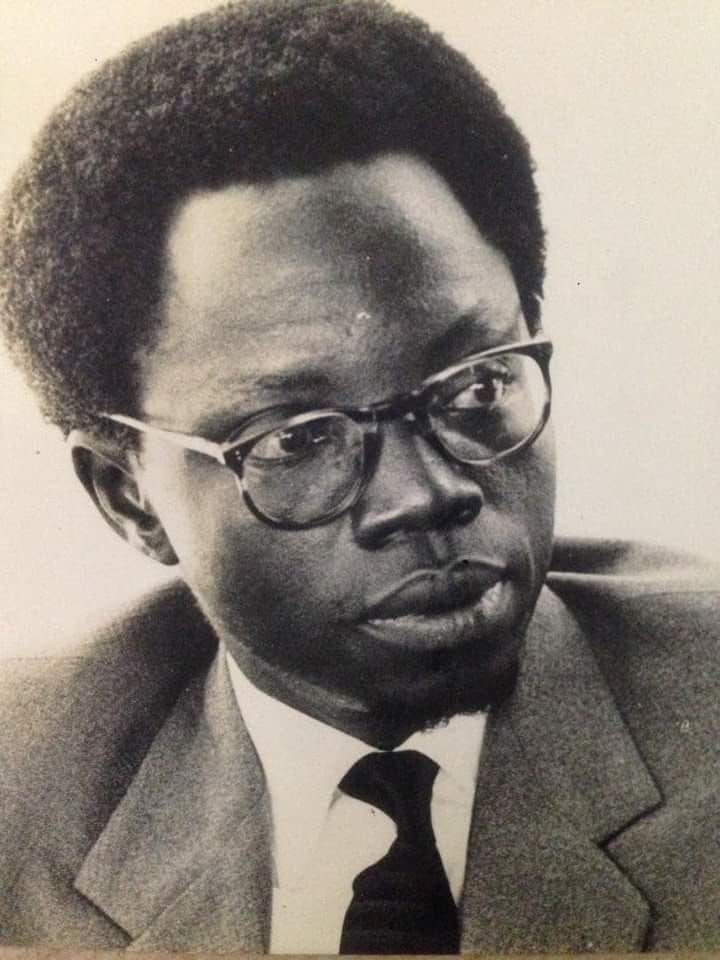
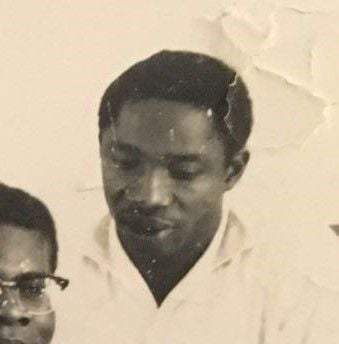
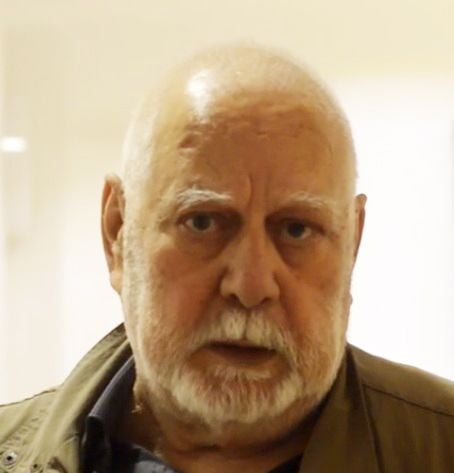
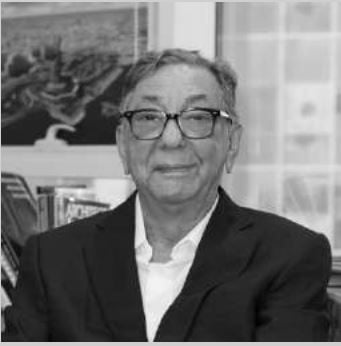
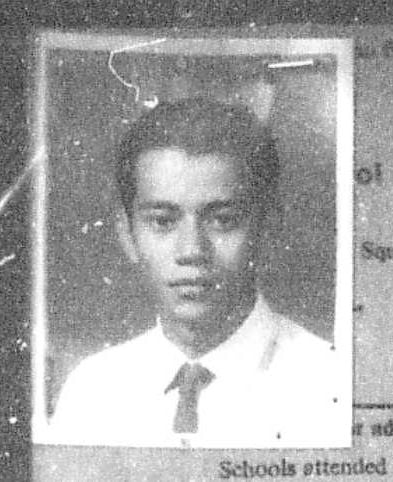
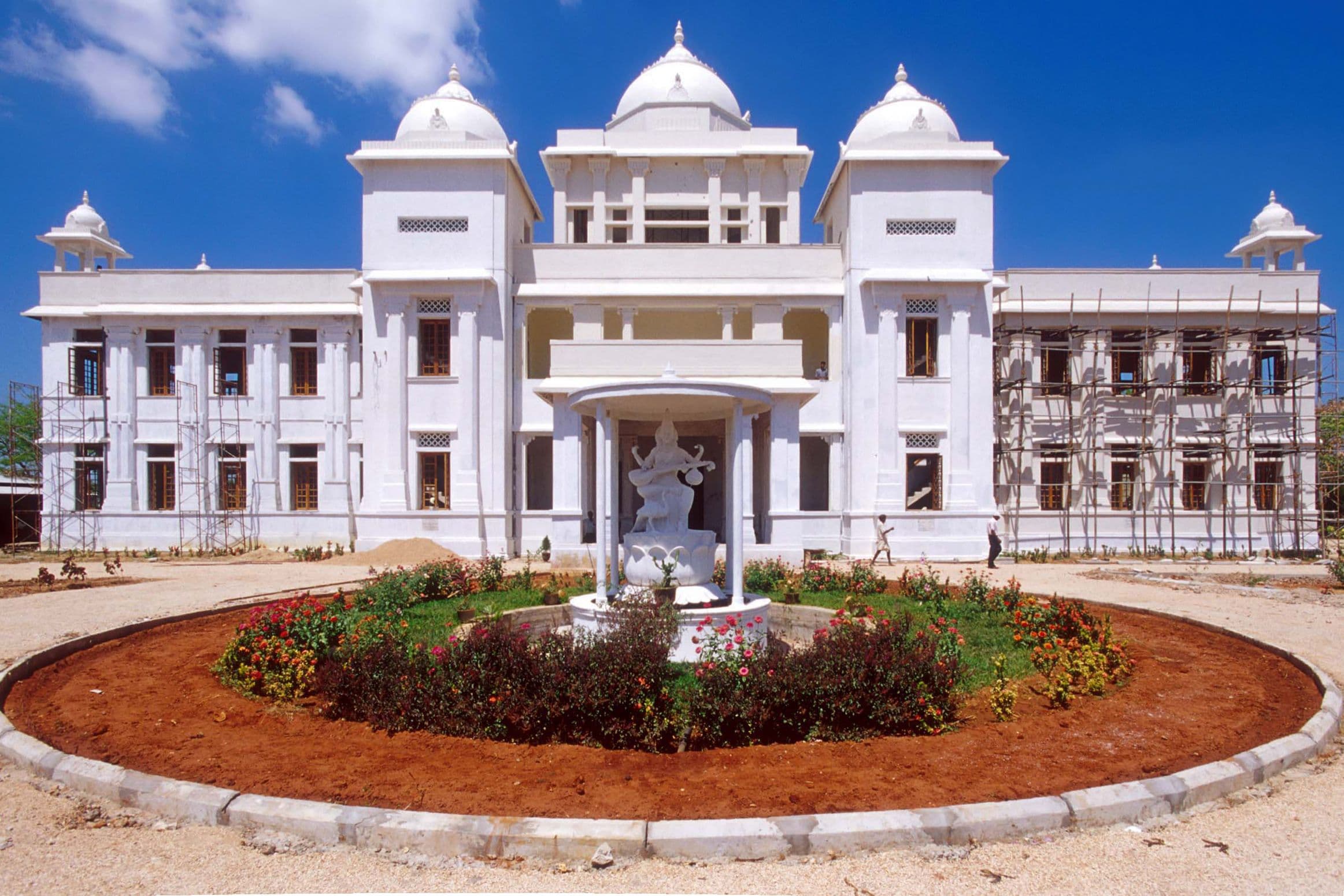
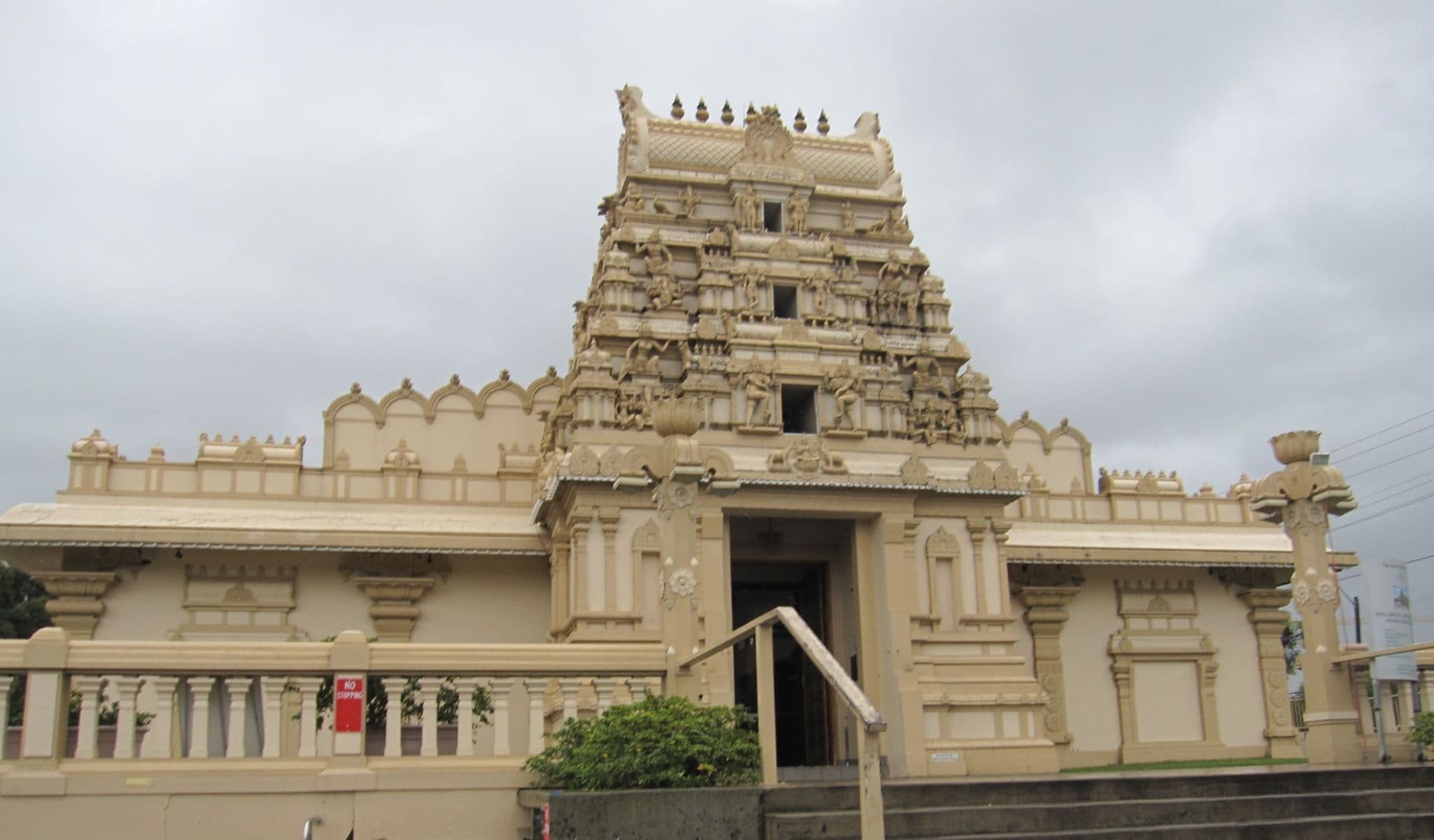
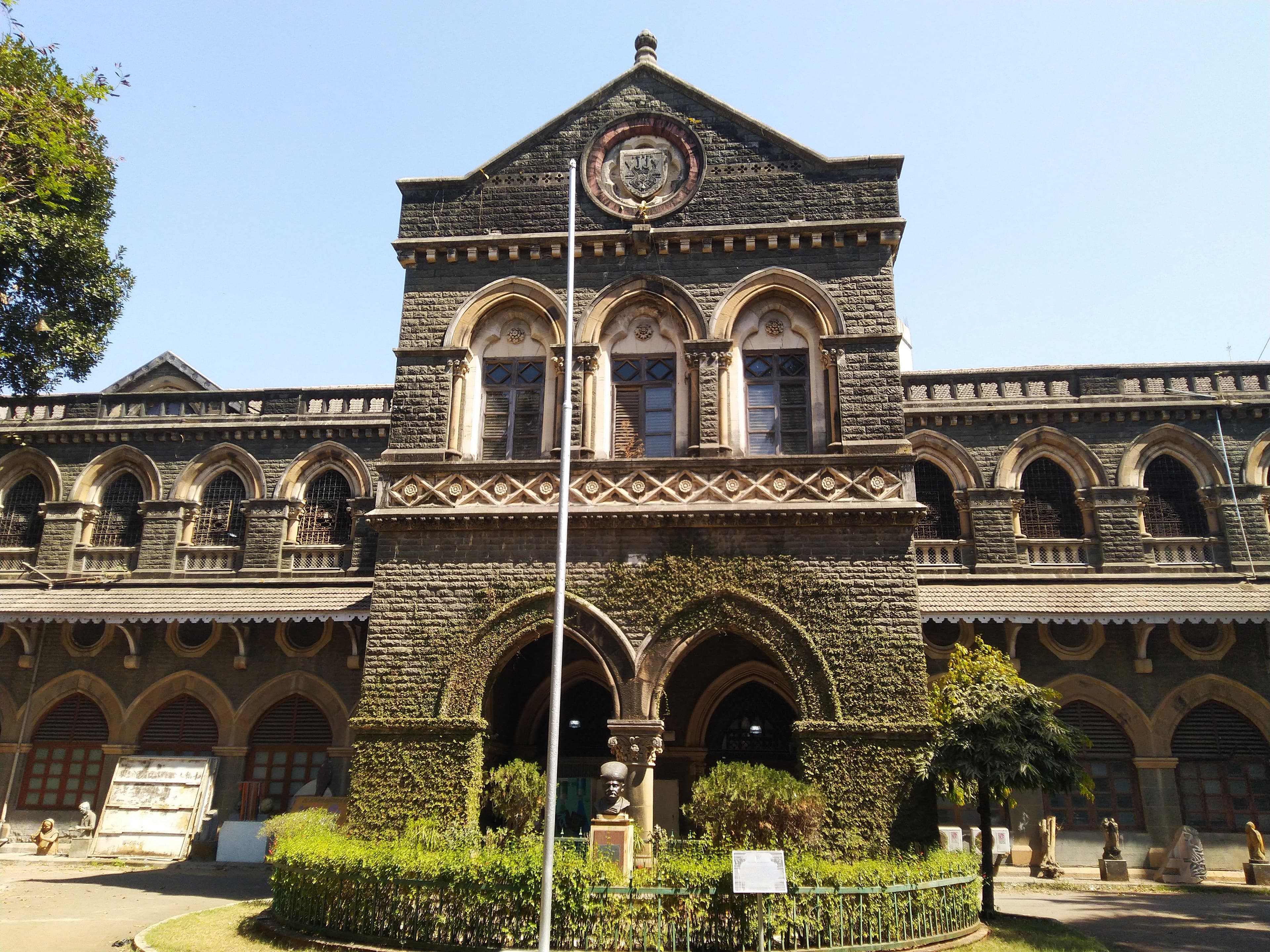
Velupillai Suppiah Thurairajah was born in Sri Lanka in 1927, his father being a Public Works Department Overseer from Navaly, Jaffna. He was educated at Manipay Hindu College, before entering the Sir J.J. School of Arts, Mumbai, to study architecture, in 1948. Following his graduation in 1951, he worked as a Junior Architect at the Public Works Department in (Colombo). He subsequently attended the Architectural Association, London, under the Technical Co-operation Scheme of the Colombo Plan, joining the AA Fourth Year cohort in 1954 and undertaking the Department of Tropical Architecture course in 1955-56, as part of his Fifth Year studies. After graduating with an AA Diploma, Thurairajah returned to Sri Lanka, working as Assistant Architect within the Building Division of the Public Works Department until 1964, when he set up his own practice, Thurairajah Associates. His subsequent career has one of the most important and prolific Sri Lankan architects, working across a wide range of typologies, from factories, banks, hotels and office buildings, to hospitals, temples and university buildings. Amongst his most important projects are the Medical Faculty and Science Buildings at the University of Jaffna, together with his reconstruction of the Jaffna Public Library, following its burning amidst the civil unrest and violence of June 1st 1981. Thurairajah took a strong interest in Tamil affairs, acting as Chairman of ‘Elandadu’, a Tamil newspaper published in Jaffna in the mid 1970s, and was a prominent member of the International Association of Tamil Research. In 1987, due to increased violence and political uncertainty, Thurairajah emigrated to Australia, where he continued to practice, amongst his works being the Perth Sivan Temple and the Sydney Murugan Temple. After a long and distinguished career, he passed away in Sydney in 2011. A small archive of his drawings, including work for the Jaffna Public Library, are held at the State Library of New South Wales, Sydney.
Sources
- Architectural Association Student Register 1945-1972, AA Archives
- Department of Tropical Architecture, student listing, Otto Koenigsberger Collection, Box OK27, AA Archives
- State Library of New South Wales, Sydney, Australia: ‘V. S. Thurairajah papers and architectural plans, particularly relating to the Jaffna Public Library, Sri Lanka’, MLMSS 12156ARCH 38
- Ferguson’s Ceylon Directory, 1959, The Ceylon Observer Press, 1959, p.237
- Arumugam, S. A Dictionary of Biography of the Tamils of Ceylon, Noolaham Foundation, 1997
- Sivapragasam, S. ‘Appreciation: V.S. Thurairajah (architect)’, Monsoon Journal, January, 2012, p36