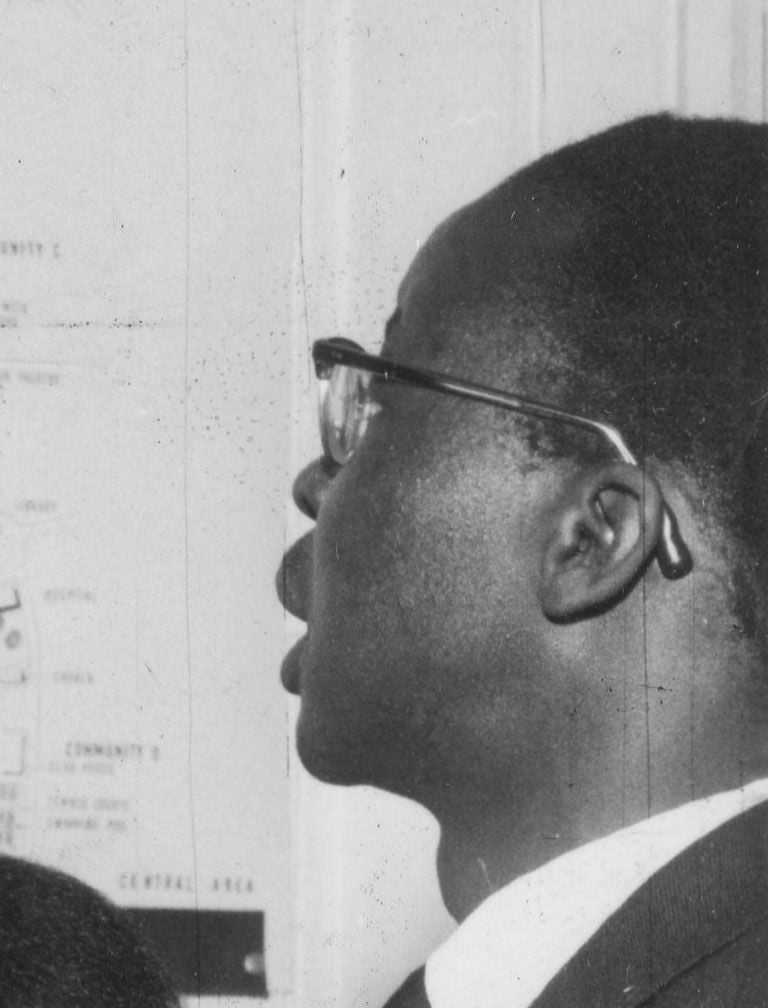
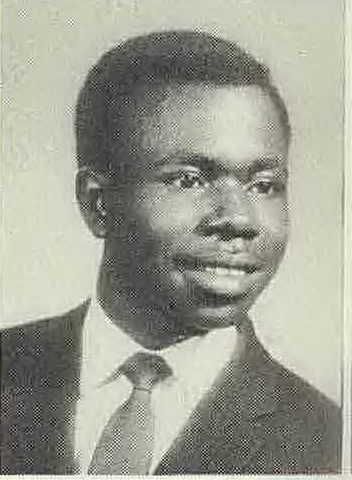
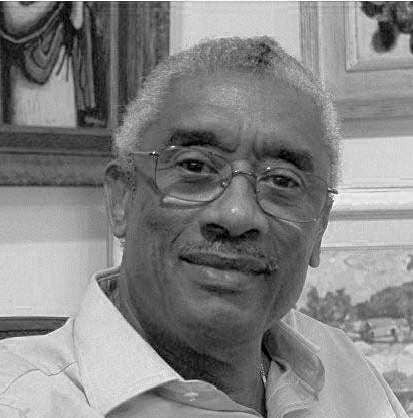
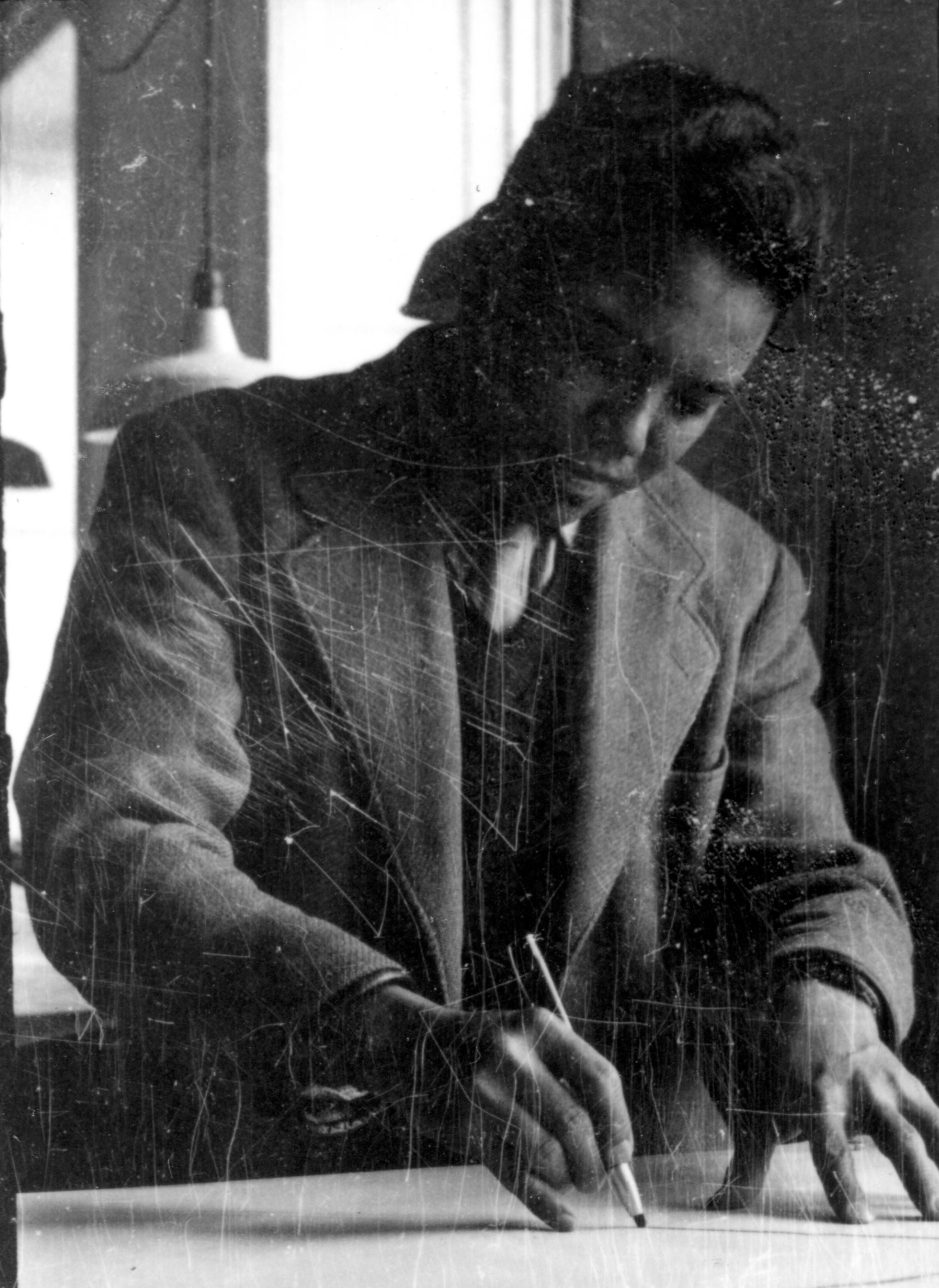
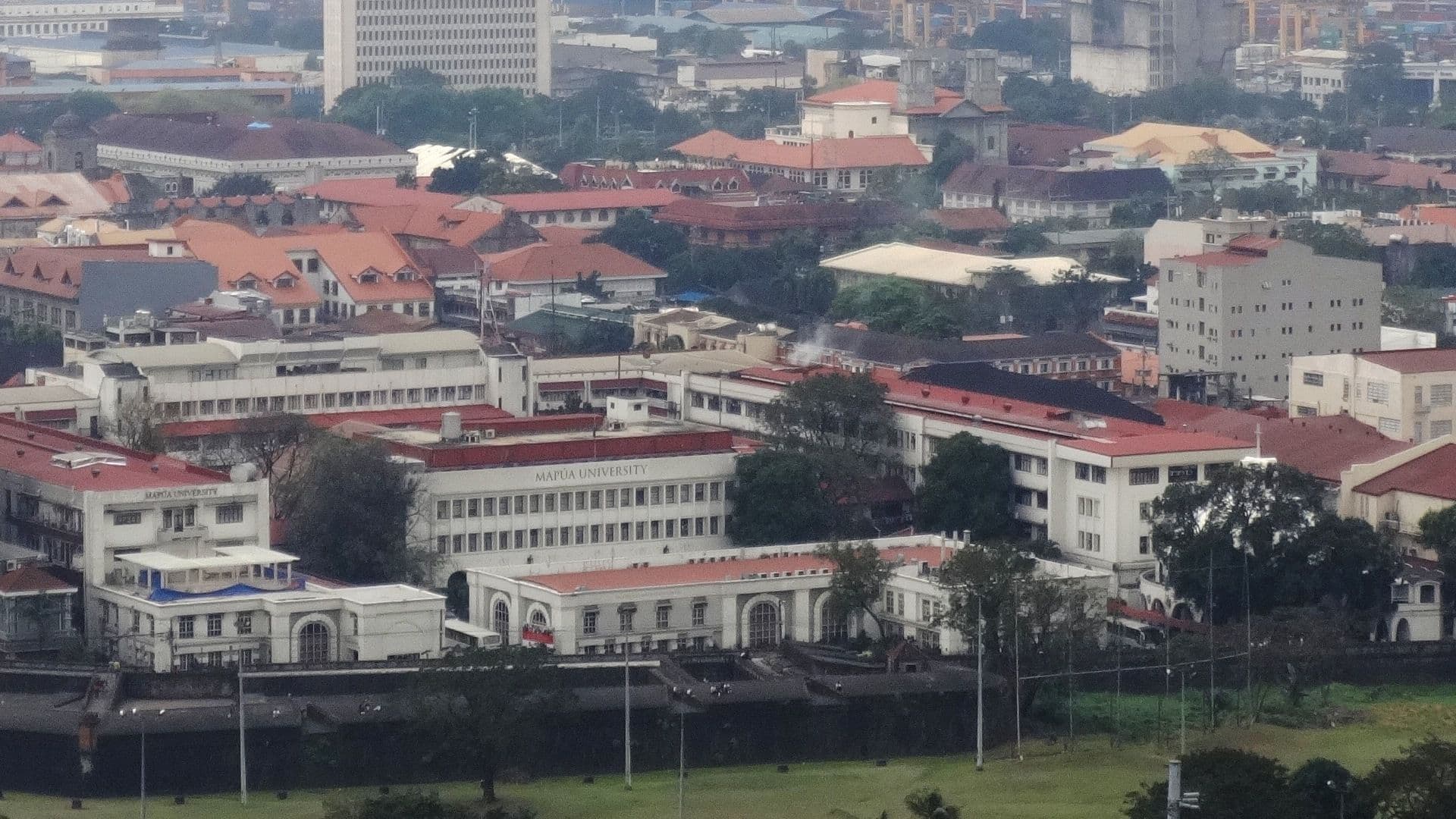
Carmencita de Leon Rosales is recorded as a Philippine student enrolled on the six-month, postgraduate course run by the Architectural Association’s (AA) Department of Tropical Studies, in London, in 1963-64. She was born Pateros, Rizal, Philippines, in 1938 – her father being a physician-surgeon and her mother a pharmacist. Carmencita was educated at Mapua Institute of Technology High School, followed by the parent university, in 1956, where she graduated with a BS degree in Architecture in 1960. She also appears to have studied Civil Engineering for a brief period, prior to winning a fellowship from the United Nations to study at the AA’s Department of Tropical Studies. After completion of the AA course, Rosales returned to the Philippines, where she established her own practice, C.L. Rosales and Partners. She has been extensively involved in major master planning projects, having played a role in the Zamboangoa Special Economic Zone and Freeport (c1990s/2000s), the plan for Clark Main Zone, Angeles, Pampanga (c1995), and the development plan for an employee village for Ifugao weavers in the Benguet region of Luzon island. Her practice also carried out a number of projects for the former Senator, Helena Benitez, including El Retiro Heritage House, in Dasmarinas, which incorporated elements of a demolished 1920s house, and many features providing for shade and natural ventilation. Alongside her practice, Rosales played a significant role within the Philippines Institute of Architects (PIA). In 1971 she was Chair of the AdHoc Committee in charge of organising joint celebrations for 50 years of the architectural profession, bringing together the three rival architects’ organisations which co-existed in the Philippines at the time, the PIA, the League of Philippine Architects (PLA) and the APGA Association of Philippine Government Architects (AGPA). This successful event led to formal negotiations between bodies, with Rosales acting as one of the key negotiators for the PIA, bringing about the formation of the United Architects of the Philippines (UAP) in 1974/5. Details of her career are not known to us, other than that her practice. Her relationship with the UAP also continued late into her career and she was serving as the Co-Chair of the UAP Committee on Awards, as recently as 2003.
Sources
- Architectural Association Council Minutes, 16th March, 1964. AA Archives
- Architectural Association Student Register 1945-1972, AA Archives
- Professional Regulatory Board of Architecture, Philippines, ‘Registered Architects (RAs) 1921-2011’, Accessed 1st October, 2025: https://www.architectureboard.com.ph/wp-content/uploads/2019/09/4.1-PRC-alphalist-incomplete_PHarchitects1921-2011.pdf
- OJT 2012 FINAL REQUIREMENTS Arceo, Mia Azazia O. 2008-06871-Mn-0, Polytechnic University of Philippines, 2012. Accessed 1st October, 2025:
- https://www.scribd.com/document/94448870/Ojt-Final-Reqt-s
- Bautista, P.F. ‘High achievers: portraits of the Filipina’, Giraffe Books, 2000
- Juico, M.P. ‘Designing students sail off to a bright future’, The Philippine Star, August 15th, 2003. Accessed October 1st, 2025: https://www.philstar.com/lifestyle/young-star/2003/08/15/217300/designing-students-sail-bright-future/amp/