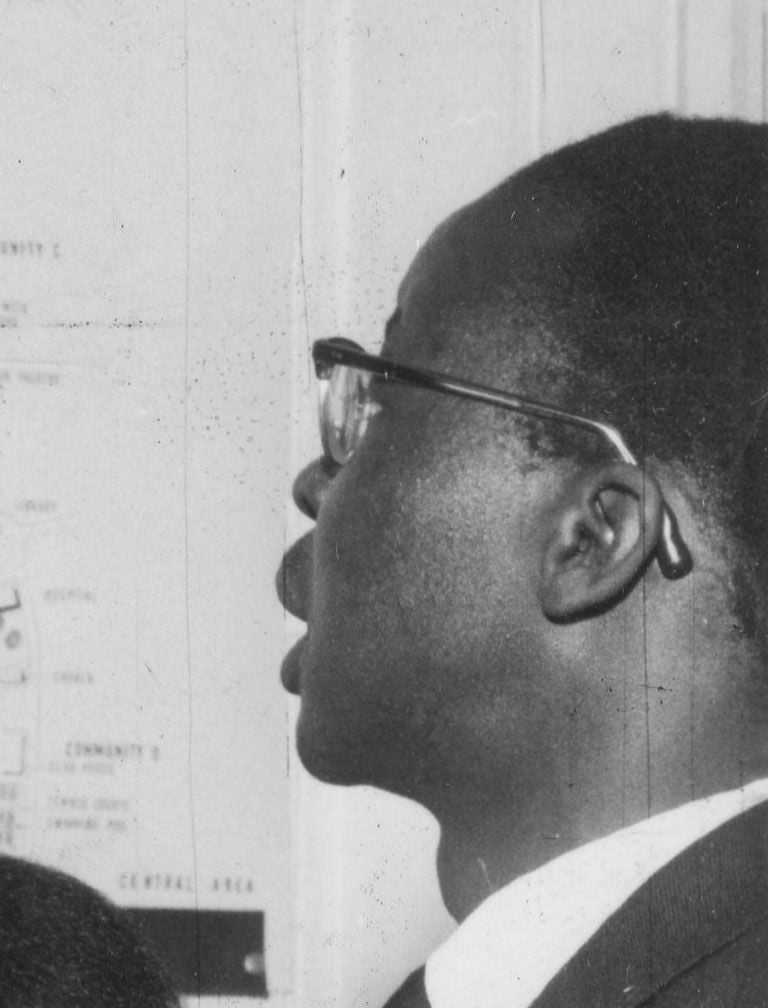
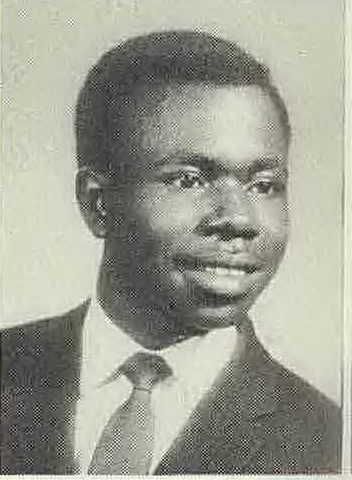
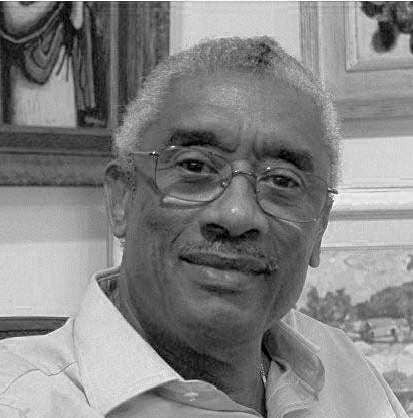
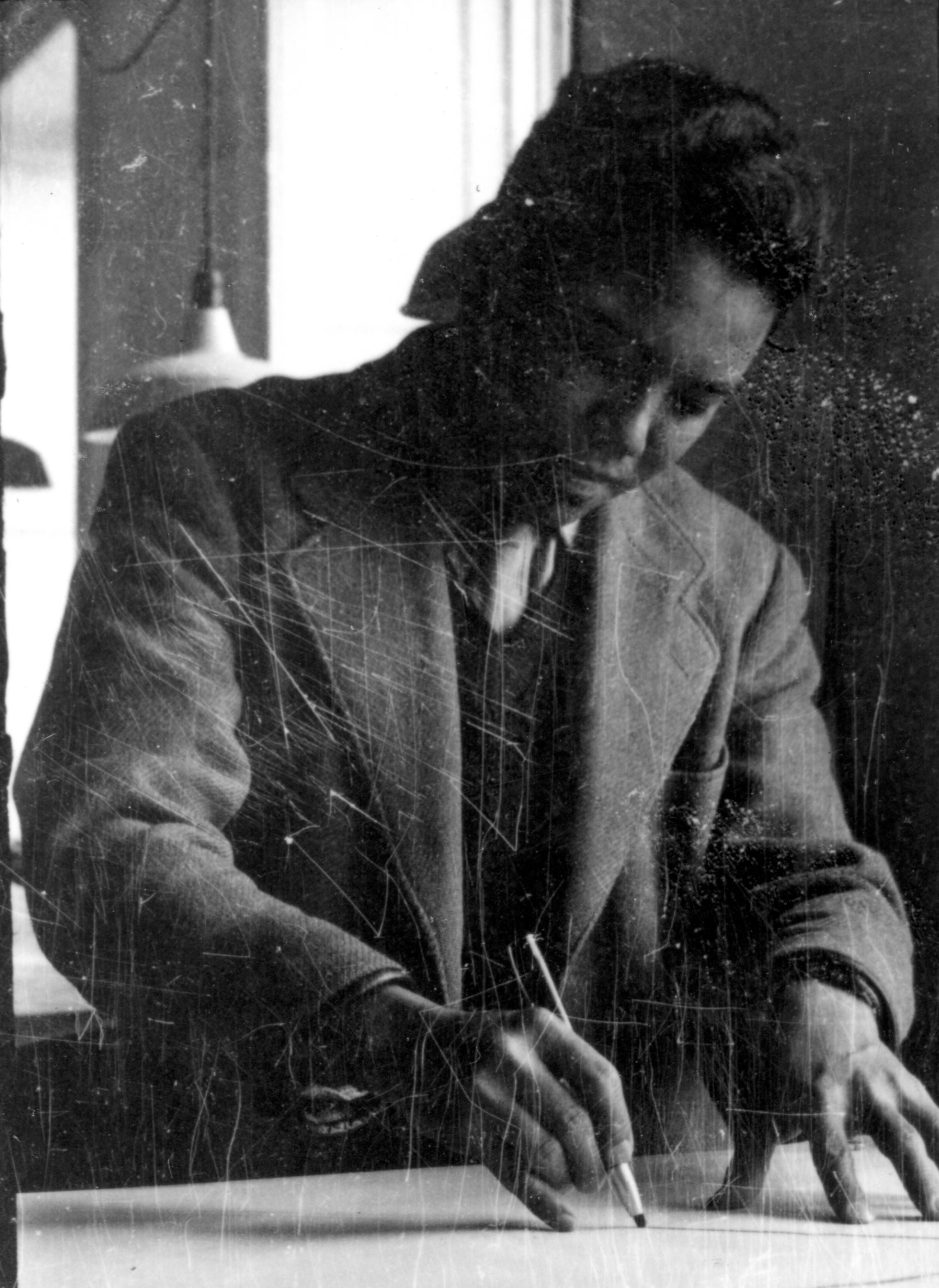
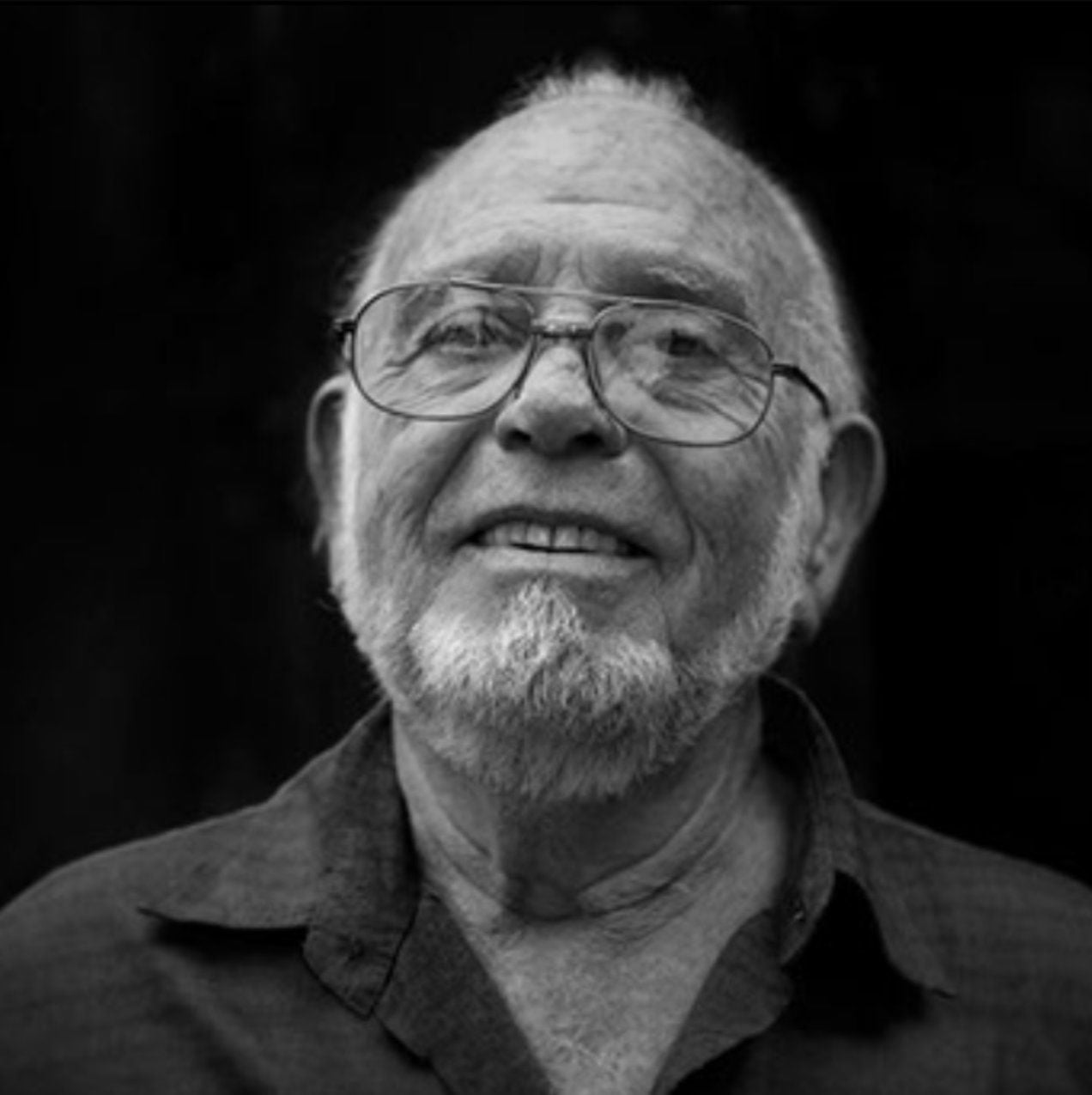
Born in 1942, Clyde Clifford Bacchus, a native of Trinidad and Tobago, was educated at St. George’s College, Trinidad (1955-60) and at North Western Polytechnic, London from (1961-2). He enrolled at the Architectural Association in 1964 as a 1st year student and was supported by a Major Award from the London Borough of Croydon. In 1966-67, he was advised to take a year out to gain more design experience, as was common for students at the time, before re-enrolling to complete his third year in the Autumn of 1967. In 1969-70, he successfully earned an AA Diploma and a Department of Tropical Architecture (DTA) certificate. After graduating, he appears to have returned to Trinidad and pursued a career in architecture and development consultancy that revolved around community-oriented work, sensitive stakeholder engagement, and providing uplift for economically depressed areas. According to his personal Linkedin page, the main architectural projects on which he was involved include the TECU House of the Credit Union (1985) in San Fernando, Trinidad, and the Water and Sewage Authority Headquarters in Valsayn, Trinidad. Besides design, Bacchus was also involved in advisory and consulting roles, including serving as the president of the Development Foundation of Trinidad and Tobago, authoring reports presented to the government on the social and economic significance of the Trinidad carnival, and presenting a paper at the 1976 UN Habitat Forum on “Architecture as a Vehicle for Human Development”. Between 1978-88, he worked as a project coordinator at Servol Limited, a human development organization in Port of Spain, Trinidad supporting unemployed youth to gain training and employment. In 2001, he was the coordinator for the Carribean Expo in London. In the 2000s, he worked with local communities in Ghana through C2BA, a UK-based planning consultancy he co-founded and directed. By 2003, he had moved back to the UK, where the UK Companies House lists him as living on the south-western outskirts of Greater London. He subsequently remained involved in a range of charities and consultancies, including the London Notting Hill Carnival and the Through the Roof Charitable Trust.
Sources
- Architectural Association Student Register 1945‐1972, AA Archives
- Architectural Association Diploma Roll Book, 1964‐1975, AA Archives
- Architectural Association Student Records Microfiche Files, 1963-1972, AA Archives
- AA Membership List 1979
- UK Companies House
- Personal Linkedin page, accessed 07 April 2025
- The Social and Economic Impact of Carnival: Seminar Held at the University of the West Indies, St. Augustine, Trinidad on November 24-26, 1983. (1984). Trinidad and Tobago: Institute of Social and Economic Research, University of the West Indies.
- Trinidad and Tobago Gazette [April 26, 2002] (Vol.41, No.80)
- Caribbean Association of Industry and Commerce, Calling the Caribbean, Volumes 1-6, Page 10, 1981