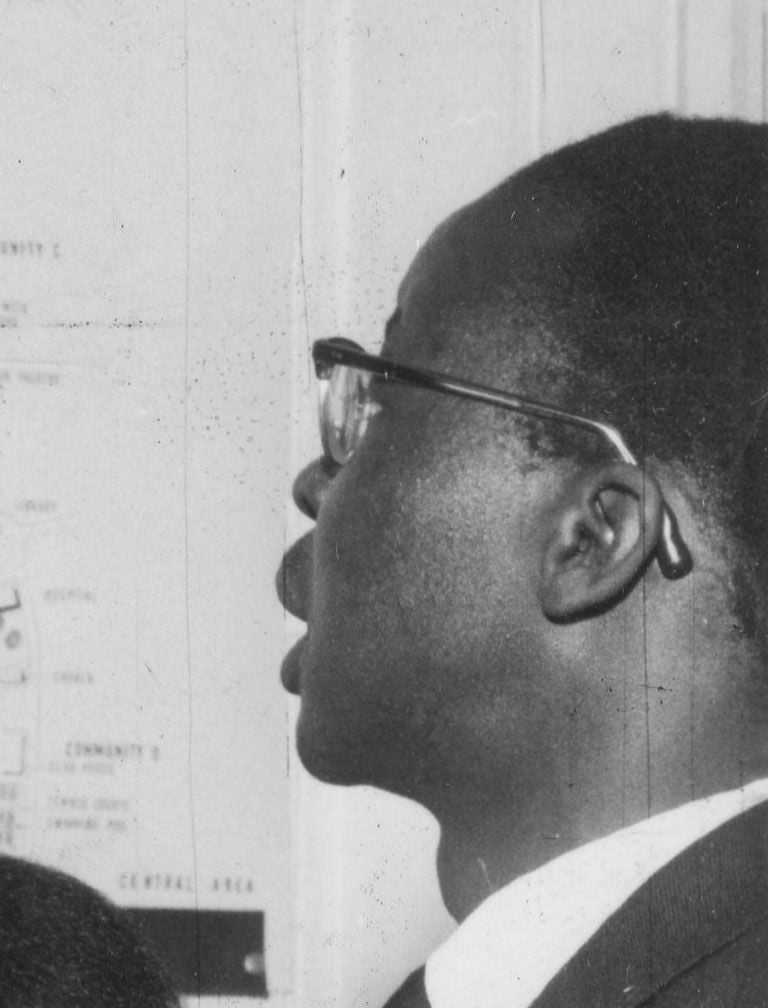
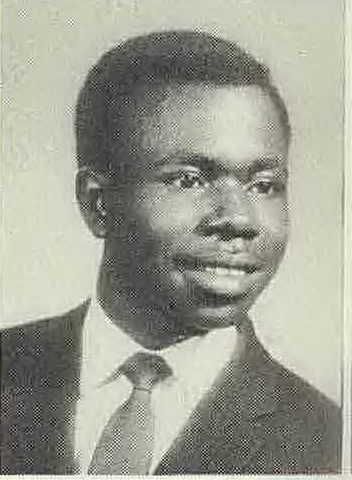
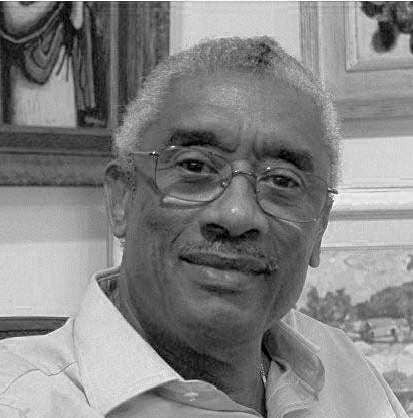
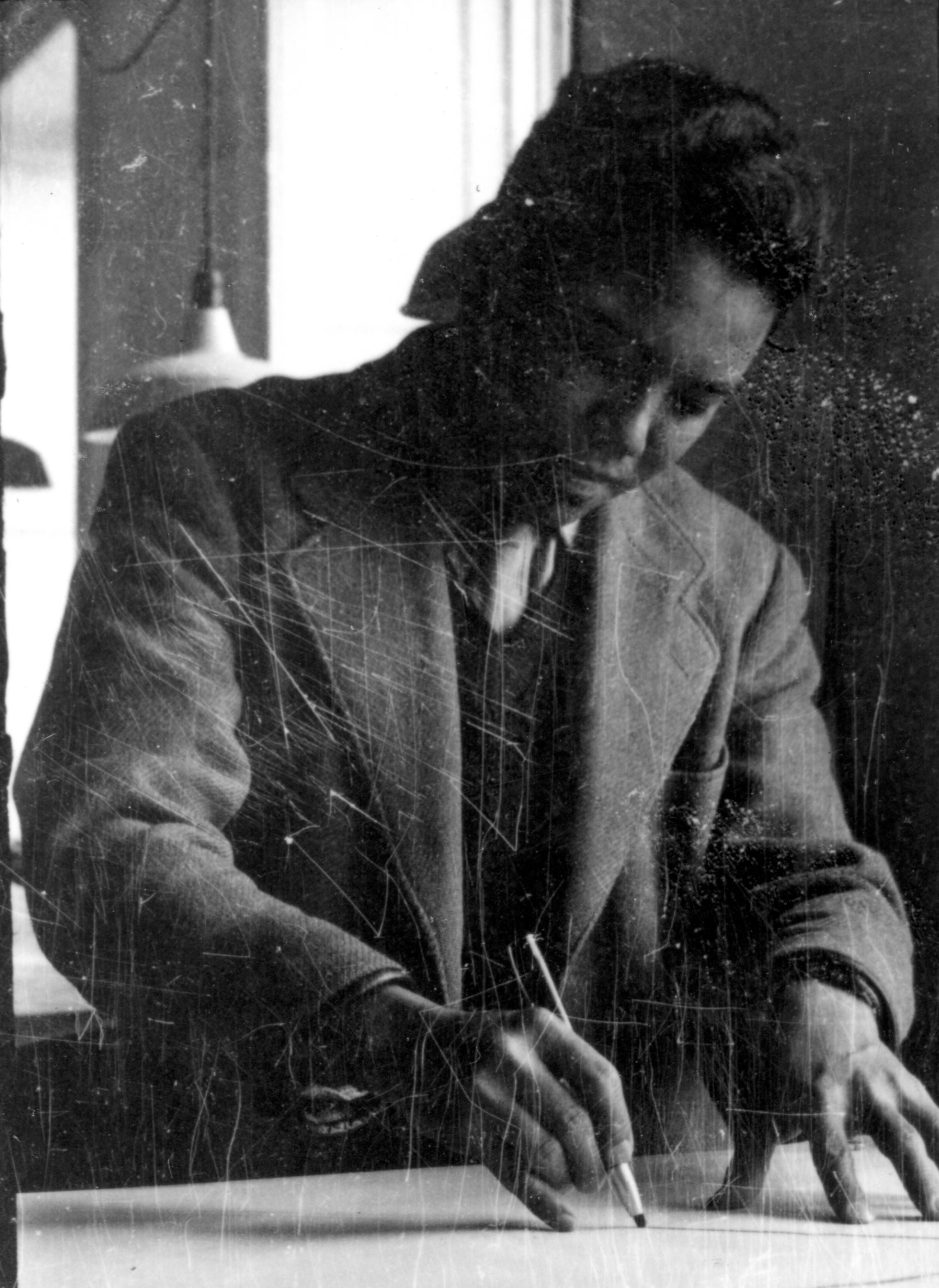
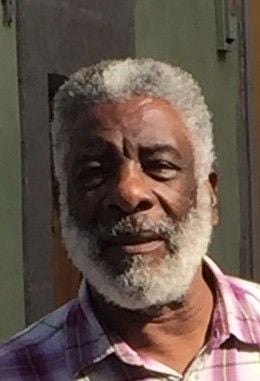
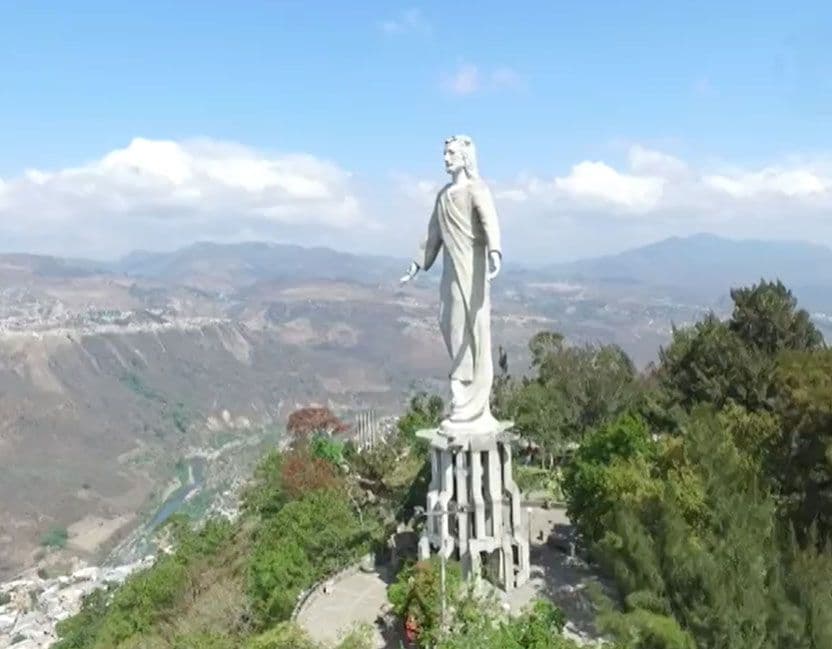
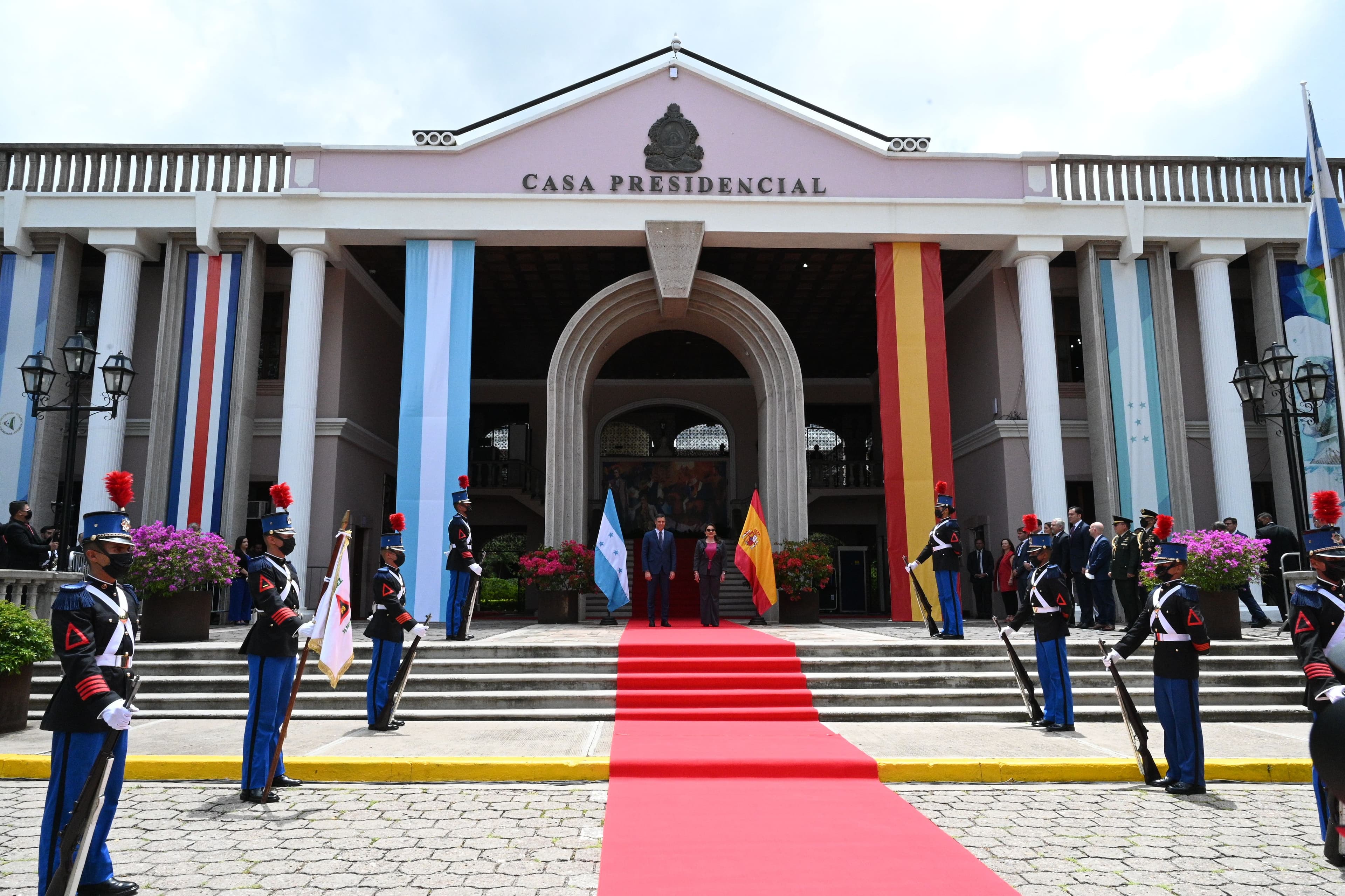
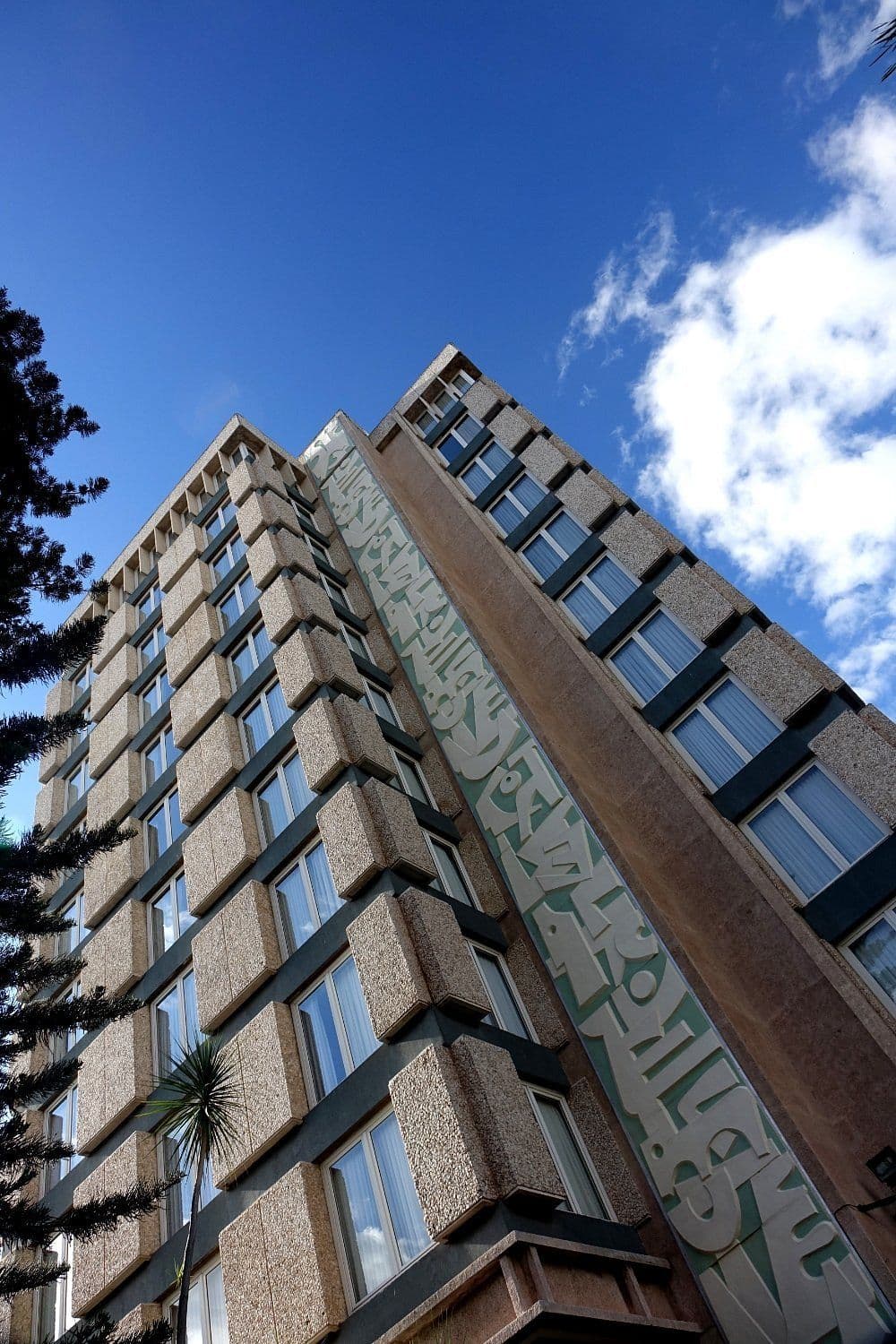
Jorge Luciano Jacinto Duron Bustillo was born in Honduras in 1939, growing up in Tegucigalpa, as the son of a long line of lawyers, politicians and literary figures. His father, Jorge Fidel Durón, held the position of Rector of La Ciudad Universitaria de la Universidad Nacional Autónoma de Honduras (1949-1955) and served as the Honduran Minister of Education (1956-57) and Minister of Foreign Affairs (1957-64). In a recent interview, Luciano recalls how, as a young child, his love of architecture was sparked by visits to construction sites with the renowned engineer Francisco Prats, a good friend of his father, enjoying the smell of sand, brick and mortar and the atmosphere of his drawing studio. Luciano was educated at the Instituto San Francisco, in Tegucigalpa, before studying architecture at the Instituto Tecnológico y de Estudios Superiores de Monterrey (ITESM), in Mexico (1957-1962). This was followed by a one-year course in Construction at the Inter-American Housing and Planning Centre (CINVA) in Bogota, Columbia. In September 1964 he travelled to the UK and enrolled in the postgraduate course run by the Architectural Association’s Department of Tropical Architecture, in London. On his return to Honduras he rapidly established himself as an important figure within the architectural field and was one of the founding members of the Association of Architects of Honduras. His first major project was as the co-author of the development of one of the most high-profile buildings in Tegucigalpa, the Hotel Honduras Maya (1969-1971). Amongst his other major works are his transformation of the Jose Cecilio del Valle Palace into the Presidential Palace for the Honduran Executive (1988), and the project to install the giant El Cristo del Picacho monument 4353 feet above sea level, just north of Tegucigalpa - his designs for the floating terraces, pedestal and developing the extensive landscaping, being contributed over a period of 15 years. One of his later projects involved the reconfiguration of the campus of the La Ciudad Universitaria de la Universidad Nacional Autónoma de Honduras , for which he was brought onto the planning team in 2009. The resultant Land Use Plan and subsequent Master Plan set out the future development of the campus, reforming the physical and administrative structure and providing landscaping and sports facilities which have become one of the highest-rated athletics facility in the Caribbean and Central American region. Amongst the recognition received by Luciano are the Torres Higueras award, presented by the Pan-American Federation of Architectural Associations and 'La Brassavola de Oro’ granted by the Museum of Honduran Man (now, the Museo para la Identidad Nacional) in 2007.
Sources
- Architectural Association Student Register, 1945-71. AA Archives
- Architectural Association Council Minutes, 19th July, 1965
- Honduras Transcendental, 15th Feb., 2023 ‘Luciano Durón: artífice de invaluables diseños arquitectónicos icónicos de la capital de Honduras’. Accessed 17th October, 2025: https://www.hondurastrascendental.com/post/luciano-dur%C3%B3n
- Entrevista Arq. Luciano Durón - 40 AÑOS CAH. Colegio de Arquitectos de Honduras. Accessed 17th October, 2025: https://www.youtube.com/watch?v=2gtaNMcNg8w
- Por qué ser arquitecto? - Luciano Durón - Colegio de Arquitectos de Honduras, 8th May, 2014. Accessed 17th October, 2025: https://www.youtube.com/watch?v=pGJTRluM7jM