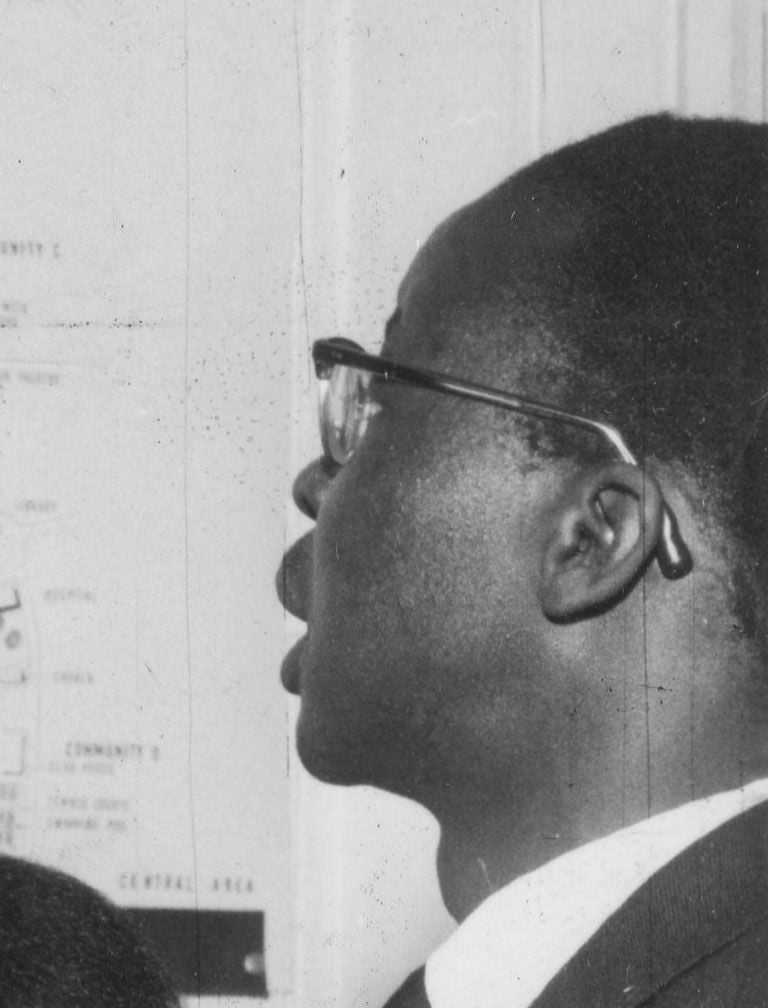
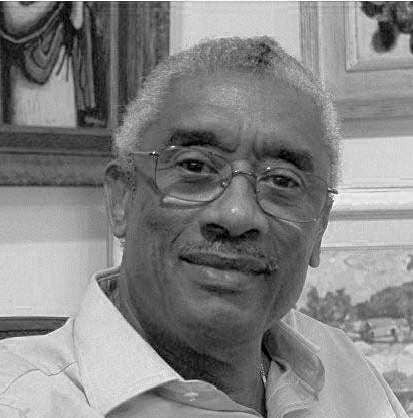
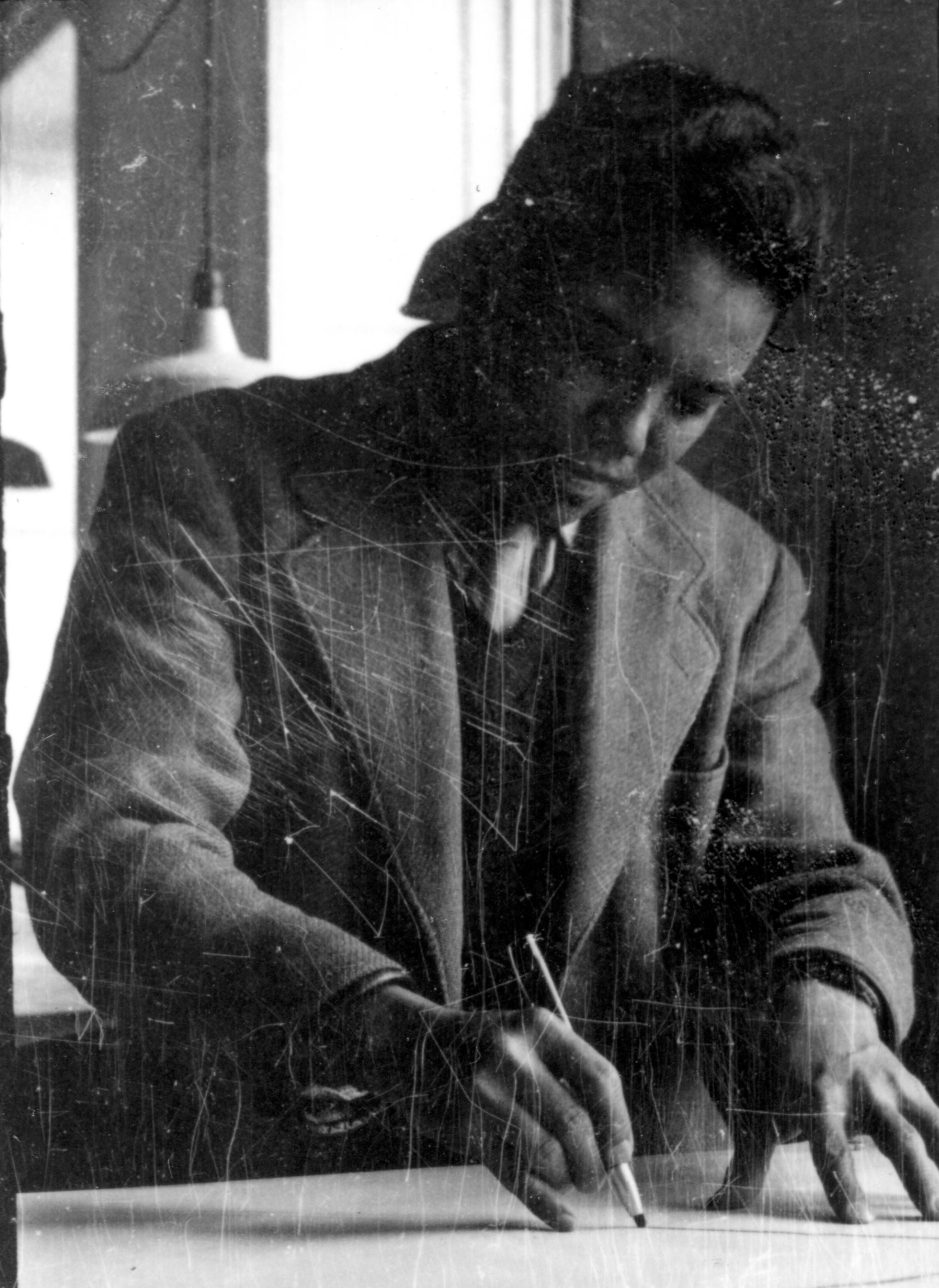
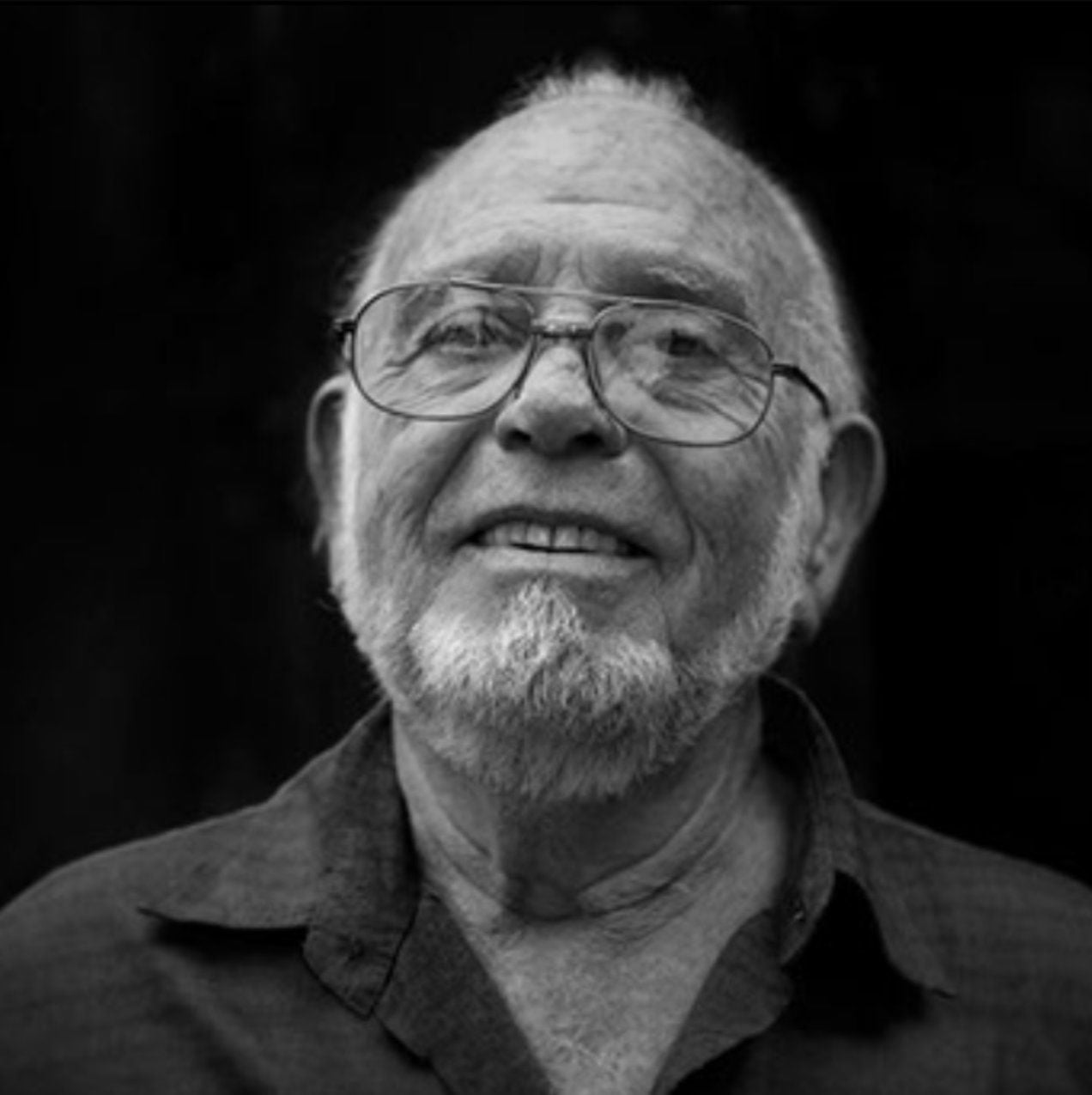
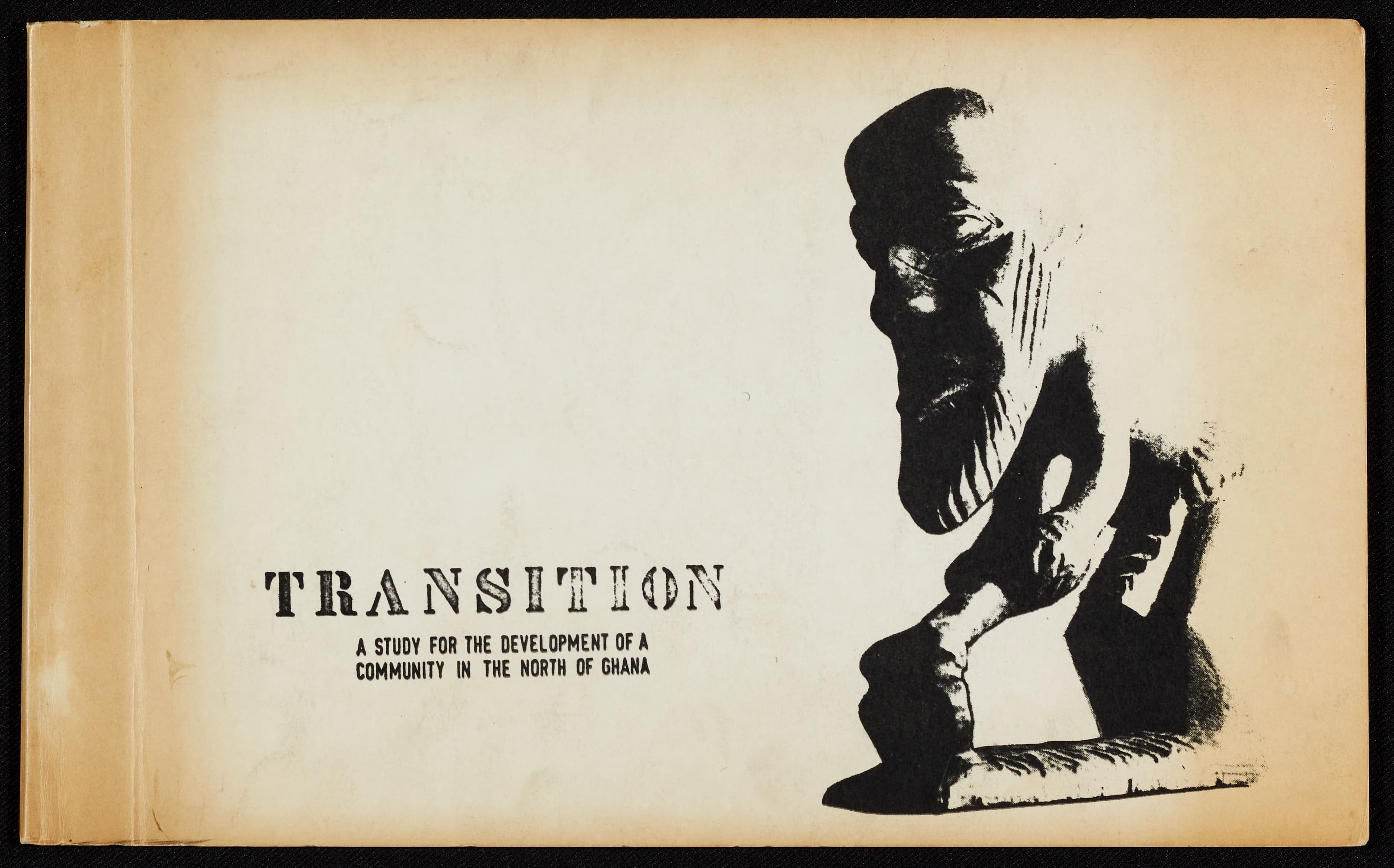
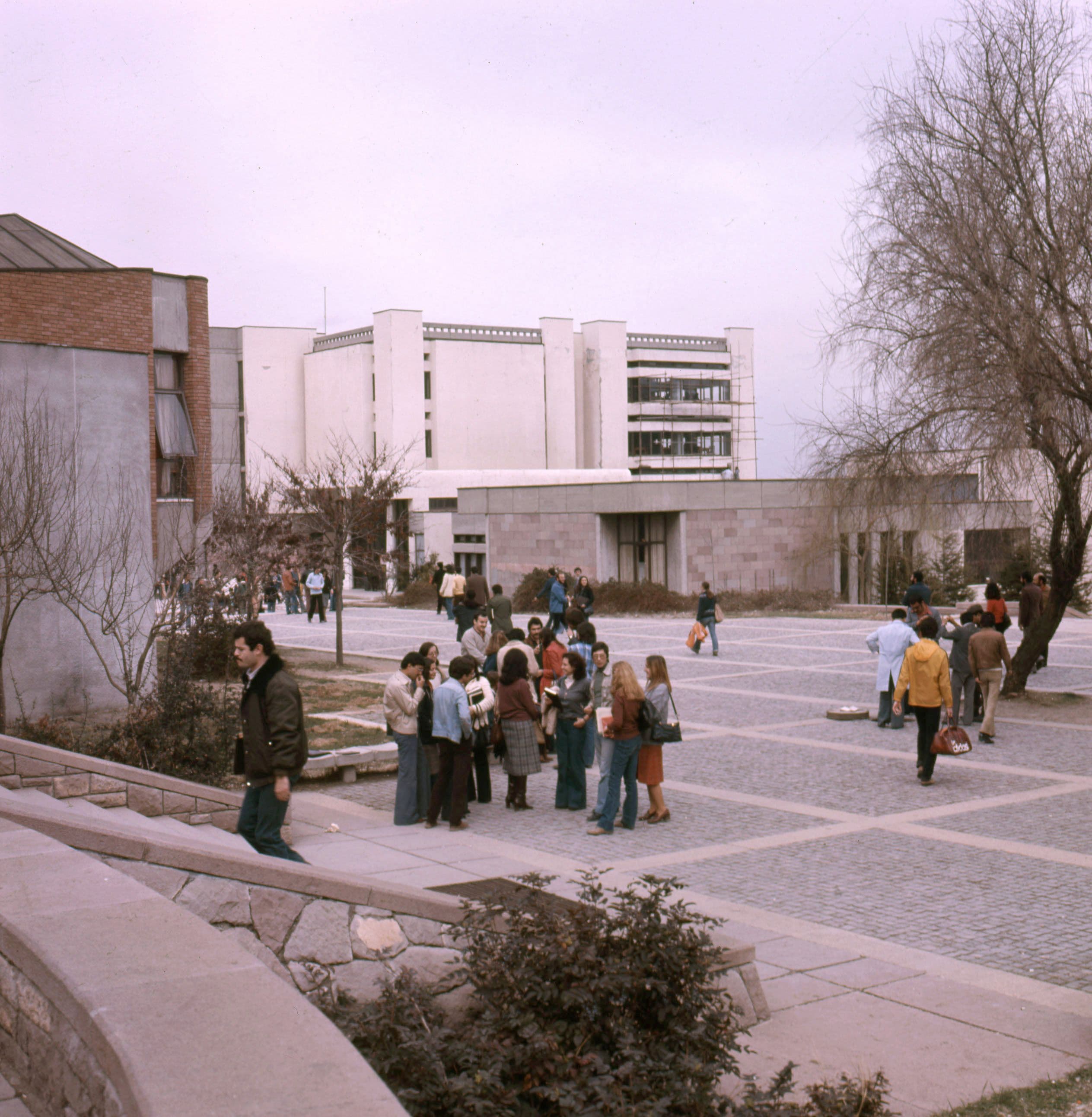
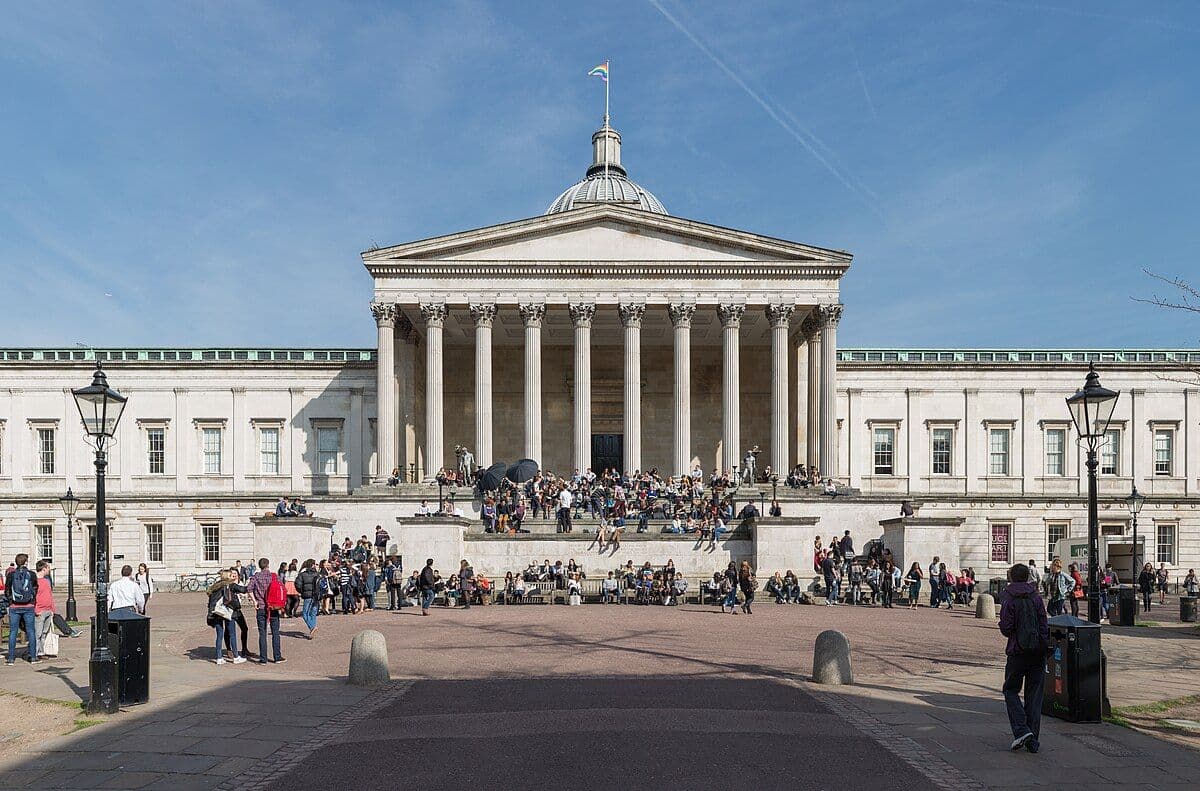
An internationally renowned Pakistani educationalist, urban planner and development economist, Babar Khan Mumtaz was born in 1945. He studied at Aitchison College, Lahore, Pakistan (1959) and St. Patricks School, Karachi, Pakistan (1960-61) before moving to Ankara, Turkey, to study for two years at the Middle East Technical University there. In 1964, he moved to Kumasi, Ghana to study architecture at Kwame Nkrumah University of Science and Technology (KNUST), this time seemingly following in the footsteps of his older brother, Kamil Khan Mumtaz, who was teaching there at the time, as part of a partnership developed between KNUST and the Architectural Association (AA), in London, where Kamil had previously studied at the Department of Development and Tropical Studies. Whilst he was at KNUST Babar drew up a detailed study and proposal for the development of the community of Tongo, South-East of Bolgatanga – this was subsequently published in 1967 as ‘Transition: A study for the development of a community in the North of Ghana.’ Following his time at KNUST, Babar enrolled in 1967 at the AA, having built up a relationship with John Lloyd, the AA staff member who had been appointed Head of the Architecture Faculty there (and then returned to the AA in 1966 to take over as Principal). Babar entered as a fourth-year student, supported by a grant from the Government of Pakistan and during the same was asked him to contribute work from an earlier survey he had completed on the Bui resettlement area to a symposium on vernacular architecture, culminating in Babar contributing illustrations to “Shelter and Society: New Studies in Vernacular Architecture” (1970: ed. Paul Oiver). In 1968, Mumtaz was advised to take a year out from his studies and gain practical experience, which he did by joining the training scheme operated by the UK Ministry of Public Building and Works. In 1969, he re-enrolled at the AA and elected to join the Department of Development and Tropical Studies as part of his final year of the AA Diploma course. His thesis was entitled “the making of mosques” and, in 1970, successfully completed his studies and was awarded the AA Diploma and DTA certificate. From 1971 to 1972, he appears to have been preparing to sit for the Professional Practice and Practical Experience Part III registration exam. According to his personal LinkedIn page, Babar pursued further education at the University of East Anglia from 1973 to 1974 before joining the Development Planning Unit (DPU) at University College London (following the transfer of the AA’s Dept. of Development and Tropical Studies to that institution in 1971) where he was to teach for over 30 years. Between 2001 and 2005, he was the Director of the DPU. From 2000 to 2003, he was also a member of the Steering Committee for the Aga Khan Award for Architecture. Since 2005, he has worked as the director of Urbannovation, a consultancy that helps in improving cities, developing housing policy, and delivering affordable housing and, since 2008, he also served as a HEC Professor at the National College of Arts in Lahore, Pakistan. For over 45 years, Mumtaz has extensively advised governments and international agencies in Africa, the Middle East, South Asia, and the South Pacific, with a specialization in housing finance, urban management, community-based participation, and post-conflict development. Among other posts, he served as a Senior Urban and Housing Policy Advisor to UN Habitat in Iraq and Pakistan. Mumtaz has published many scholarly writings and reports, including “Architecture without Building” (chapter in the Aga Khan book “Architecture and Polyphony,” 2004), “Guiding Cities” (2001), and the “Housing Question (and some answers) (1988).
Sources
- Architectural Association Student Register 1945‐1972, AA Archives
- Architectural Association Diploma Roll Book, 1964-75, AA Archives
- Architectural Association Student Records Microfiche Files, 1966-1973, AA Archives
- Mumtaz, B. ‘Transition: A study for the development of a community in the North of Ghana.’ Occasional Report, No. 9, 1967. KNUST Faculty of Architecture. AA Archives.
- “Shelter and Society: New Studies in Vernacular Architecture”, edited by Paul Oliver, 1970, Barrie & Jenkins community
- “The Housing Question (and some answer), Mimar no. 28, 1988, p.17-23
- Ansari, Z. “A Contemporary Architectural Quest and Synthesis: Kamil Khan Mumtaz in Pakistan”, masters thesis, MIT Department of Architecture, 1997.
- Mumtaz, B, Wegelin, E. 'Guiding cities: the UNDP/UNCHS/World Bank Urban Management Programme,' Volume 26 [Urban Management Program (Series)], 2001.
- Mumtaz, B. “Architecture Without Building.” In Architecture and Polyphony: Building in the Islamic World Today, edited by Philippa Baker. London: Thames and Hudson, 2004.
- Personal about.me webpage, https://about.me/bkm, accessed 17 May 2025
- Personal LinkedIn page, https://www.linkedin.com/in/babar-mumtaz-08a39337/, accessed 17 May 2025