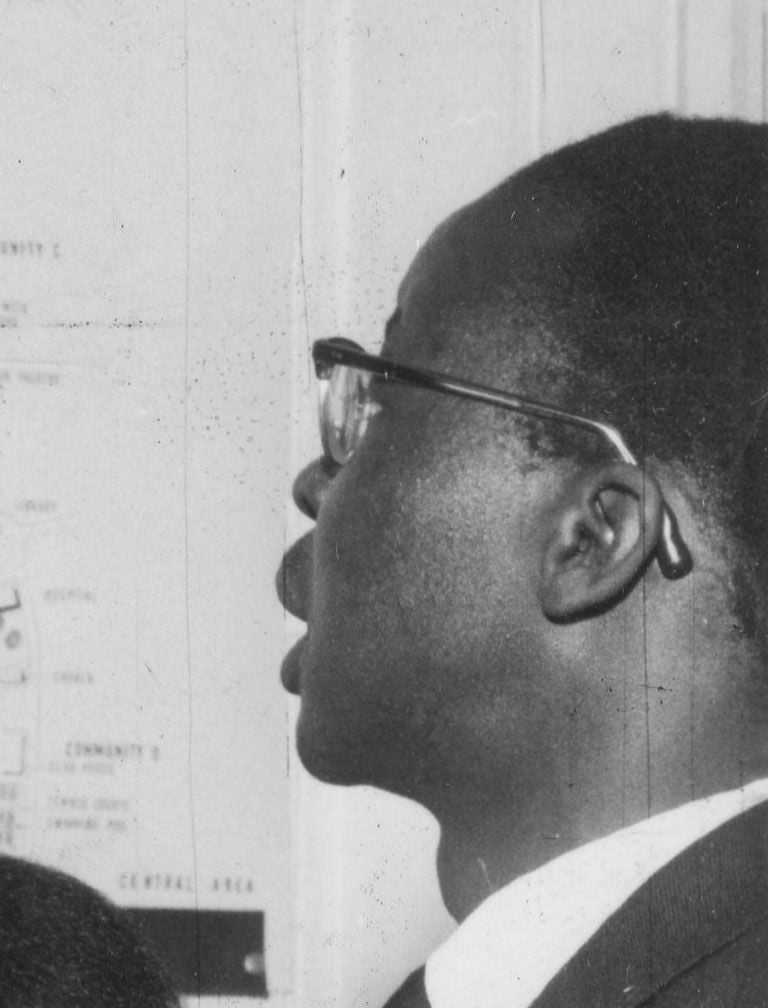
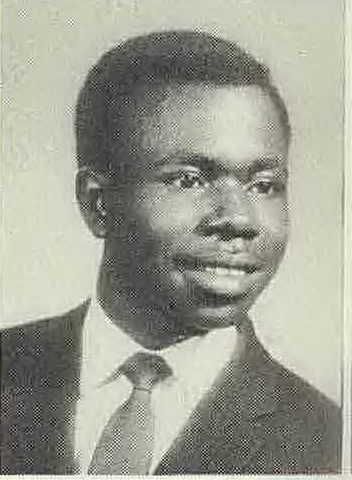
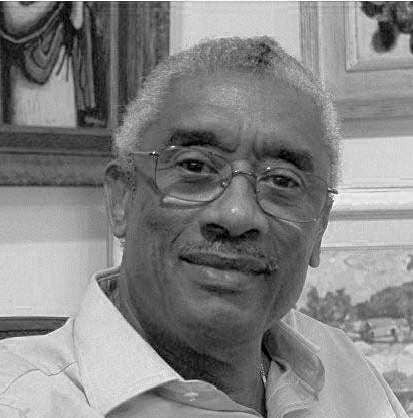
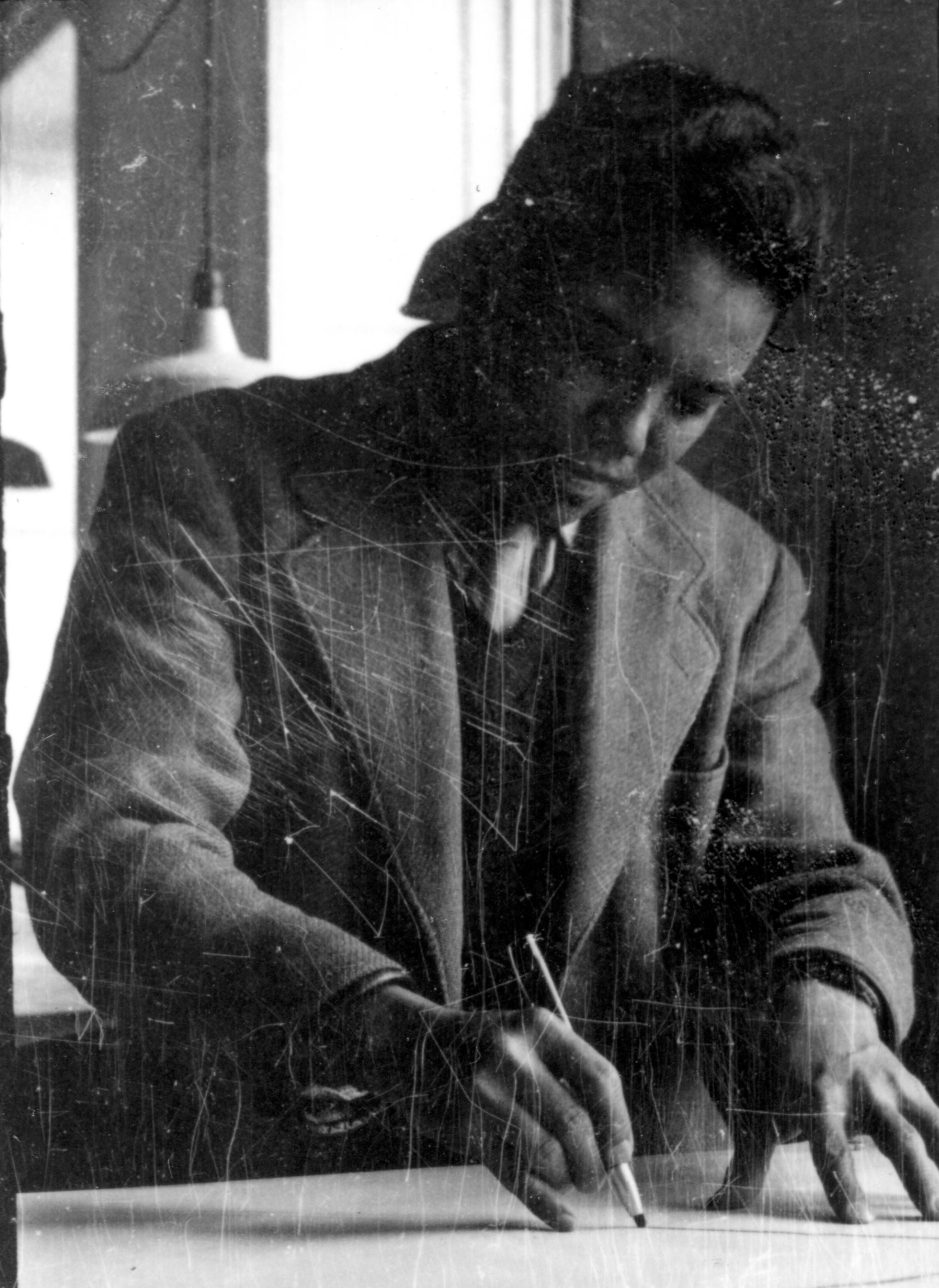
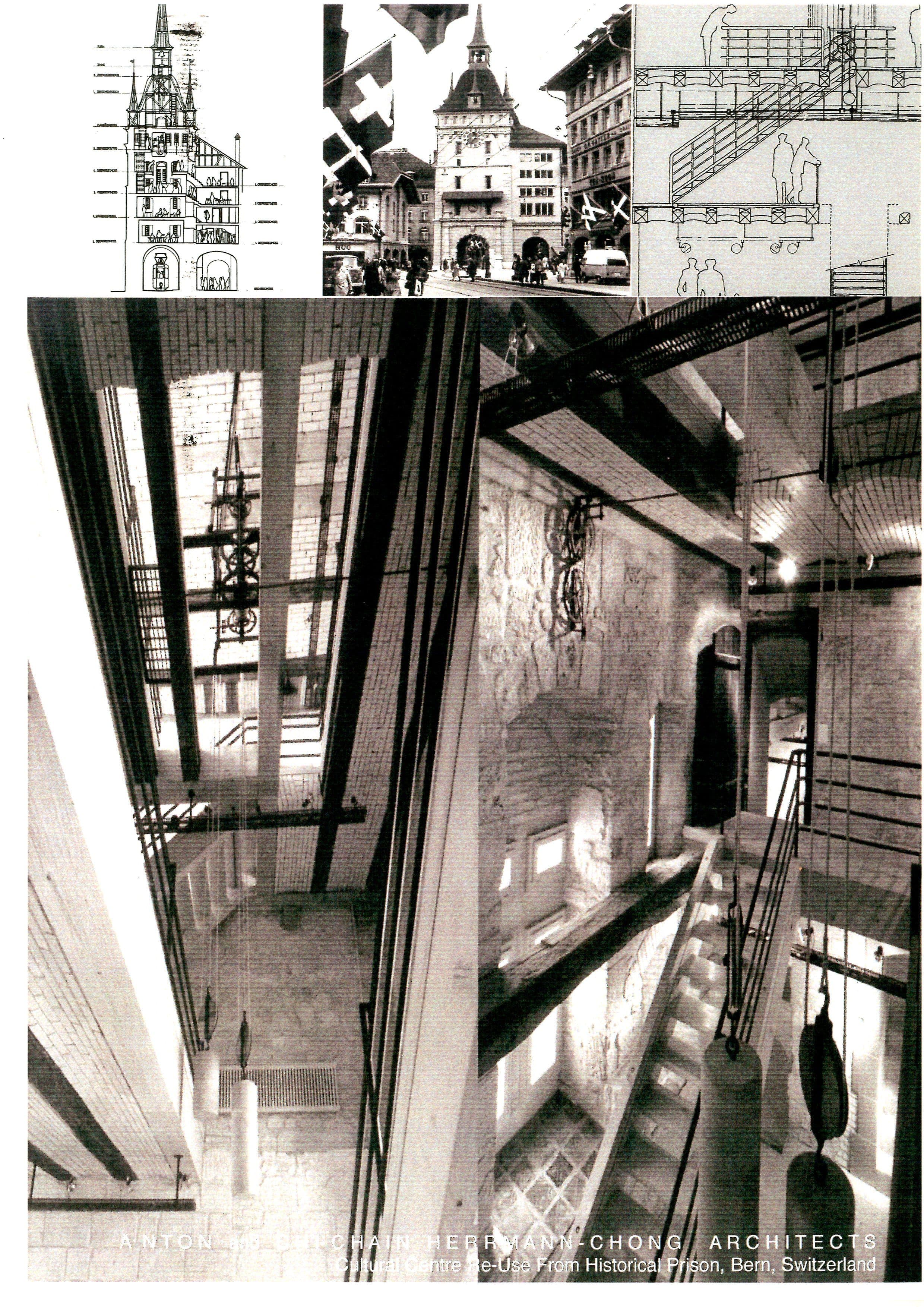
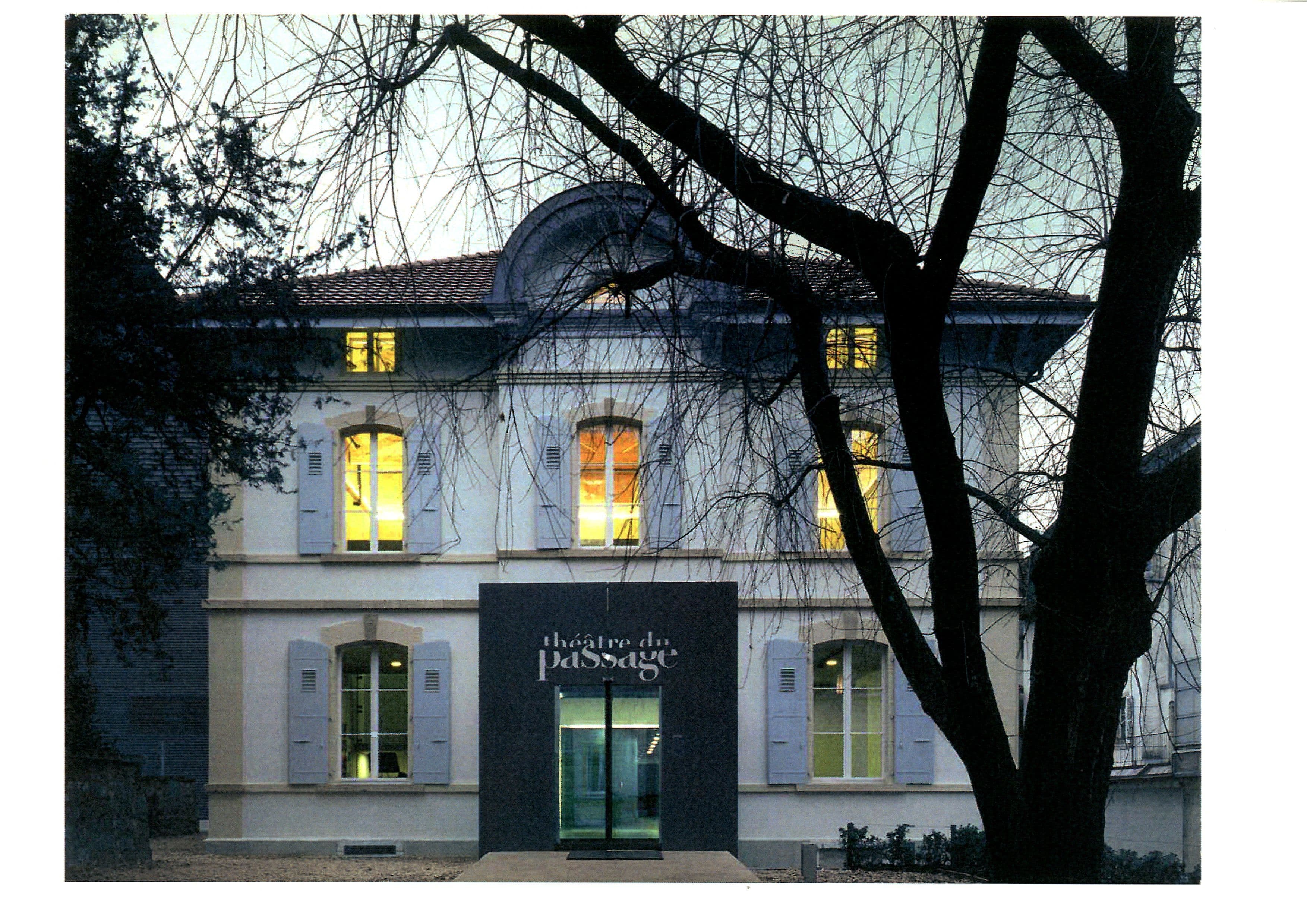
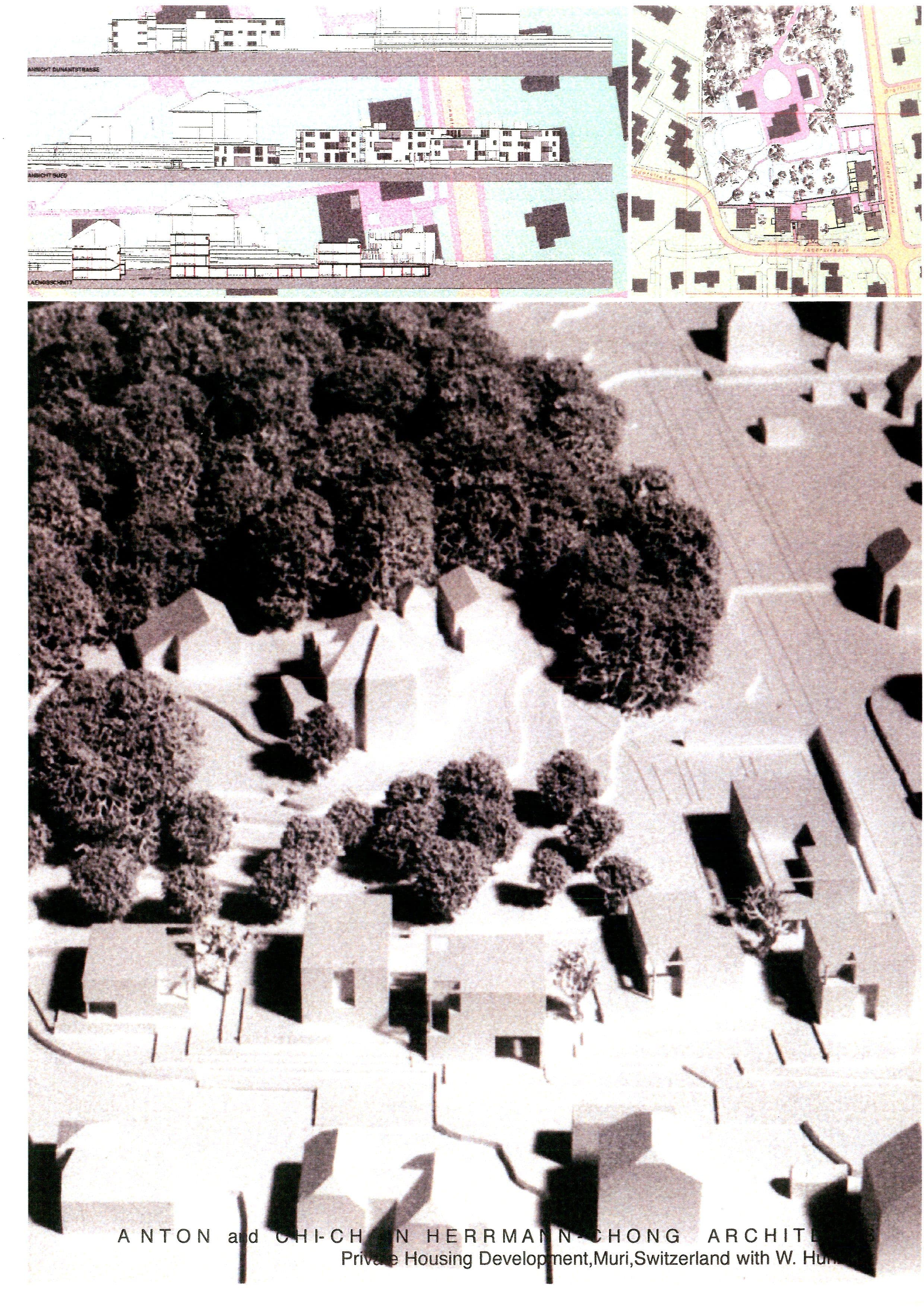
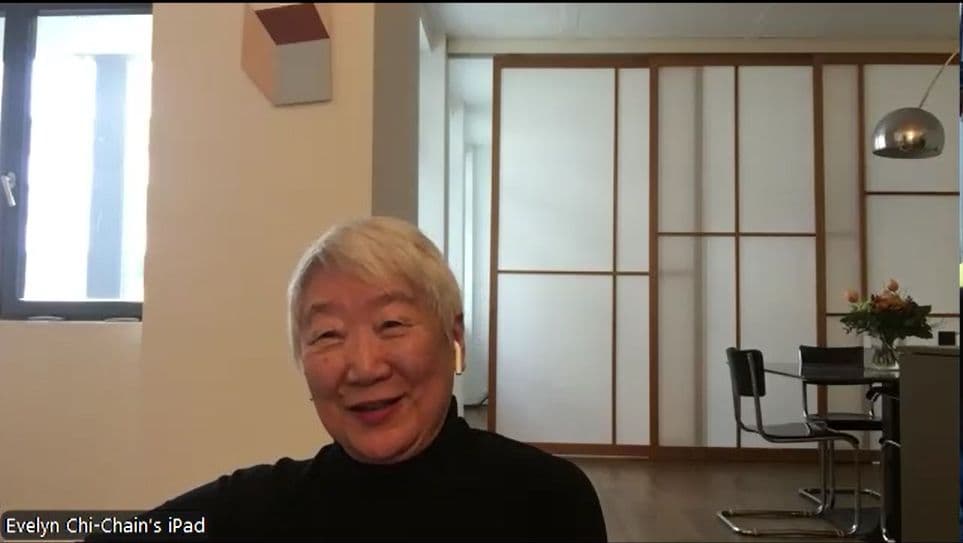
Evelyn ChiChain Chong was born in Amoy, now Xiamen, in the Republic of China. During the Second Sino-Japanese War, her family sought refuge in various locations, including Shanghai (1941-48) and later Hong Kong (1949-57), where she received her early education at Tung Chi College and The True Light School of Hong Kong. In 1957, she moved to London and continued her secondary education at Brondesbury and Kilburn High School, where she first developed an interest in architectural history. Following the completion of her A-levels, she enrolled on the five-year Diploma course at the Architectural Association (AA), London, in 1961. Inspired by her parents’ relocation to Singapore, she elected to spend her final Diploma year within the AA’s Department of Tropical Studies, from 1965-66. Her final project, focusing on housing in Singapore, was undertaken jointly with fellow student Ruskin Punch (AA Dipl 1966) from Trinidad. After graduation, she began her professional career with a brief period of practice in Manchester, followed by two years at Shepheard and Epstein in London. In 1970, she became an Associate of the Royal Institute of British Architects (ARIBA). She subsequently moved to New York, where she practiced for approximately a year before receiving a scholarship to pursue a Master of Architecture in Urban Design at Harvard University, which she completed in 1972. Following her graduation from Harvard, she married and relocated to Switzerland. From 1972 to 1975, she worked at ARB Architekten in Bern, contributing to several architectural competitions. In 1975, together with her husband, she co-founded the practice Anton & ChiChain Herrmann-Chong Architects in Bern. One of their early commissions involved the design of a village health centre in Ghana. Over the next three decades, their firm won multiple architectural competitions in Bern and the surrounding regions. Notable projects include the renovation of the Käfigturm tower in Bern (1976–81), the regional theatre in Neuchâtel (1995–2000), and a private housing development in Villette (1995–2004). HerrmannChong retired from her office at the age of 62 but continued to work as a consultant to a new architectural firm based in Shanghai.
Sources
- Architectural Association Student Register 1945-1972, AA Archives.
- Architectural Association Diploma Roll Book II (1964-75), AA Archives.
- Herrmann-Chong, Evelyn Chi-Chain, brochure, Special Collections and University Archives, The Virginia Polytechnic Institute and State University, Virginia, United States.
- Interview with Evelyn ChiChain HerrmannChong by Edward Bottoms and Suet May Lam, 19 February 2025.