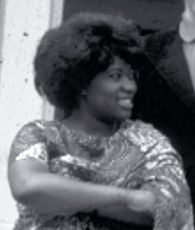
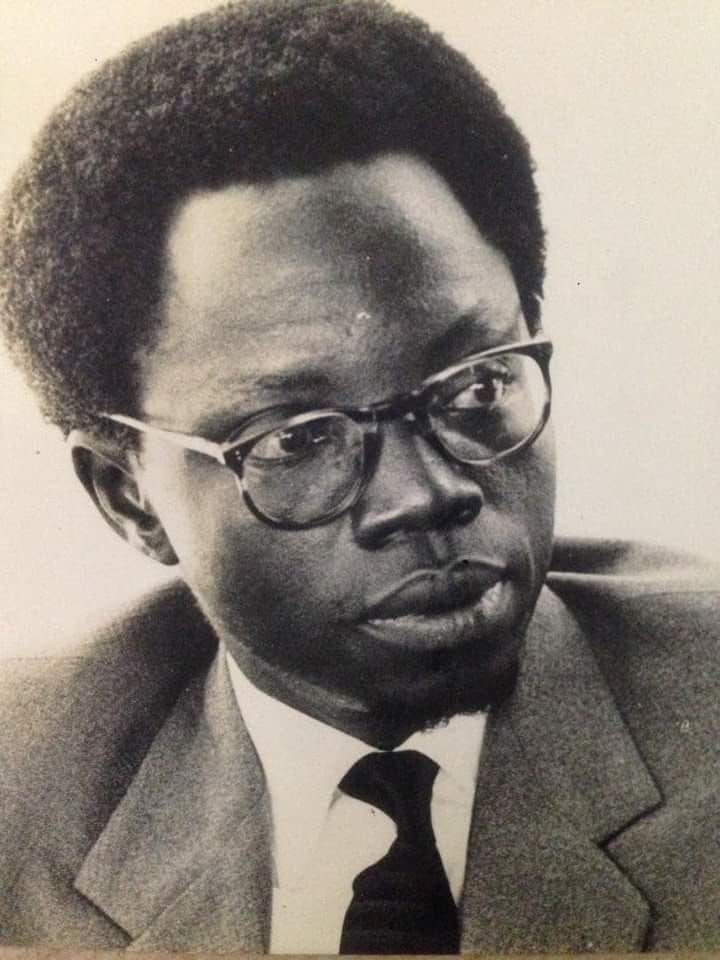
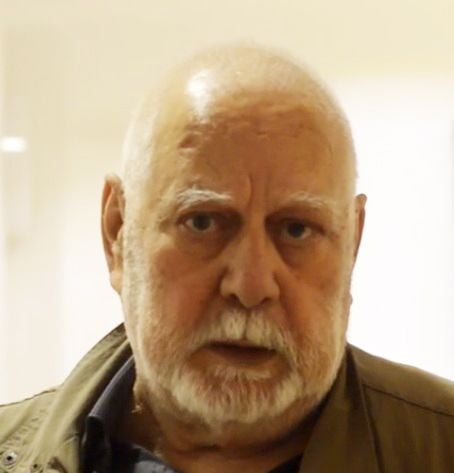
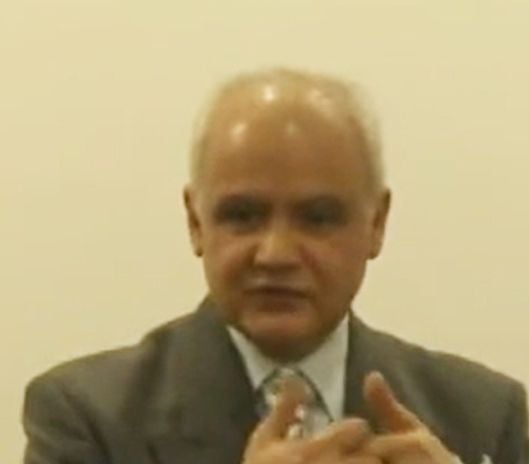
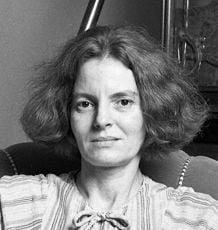
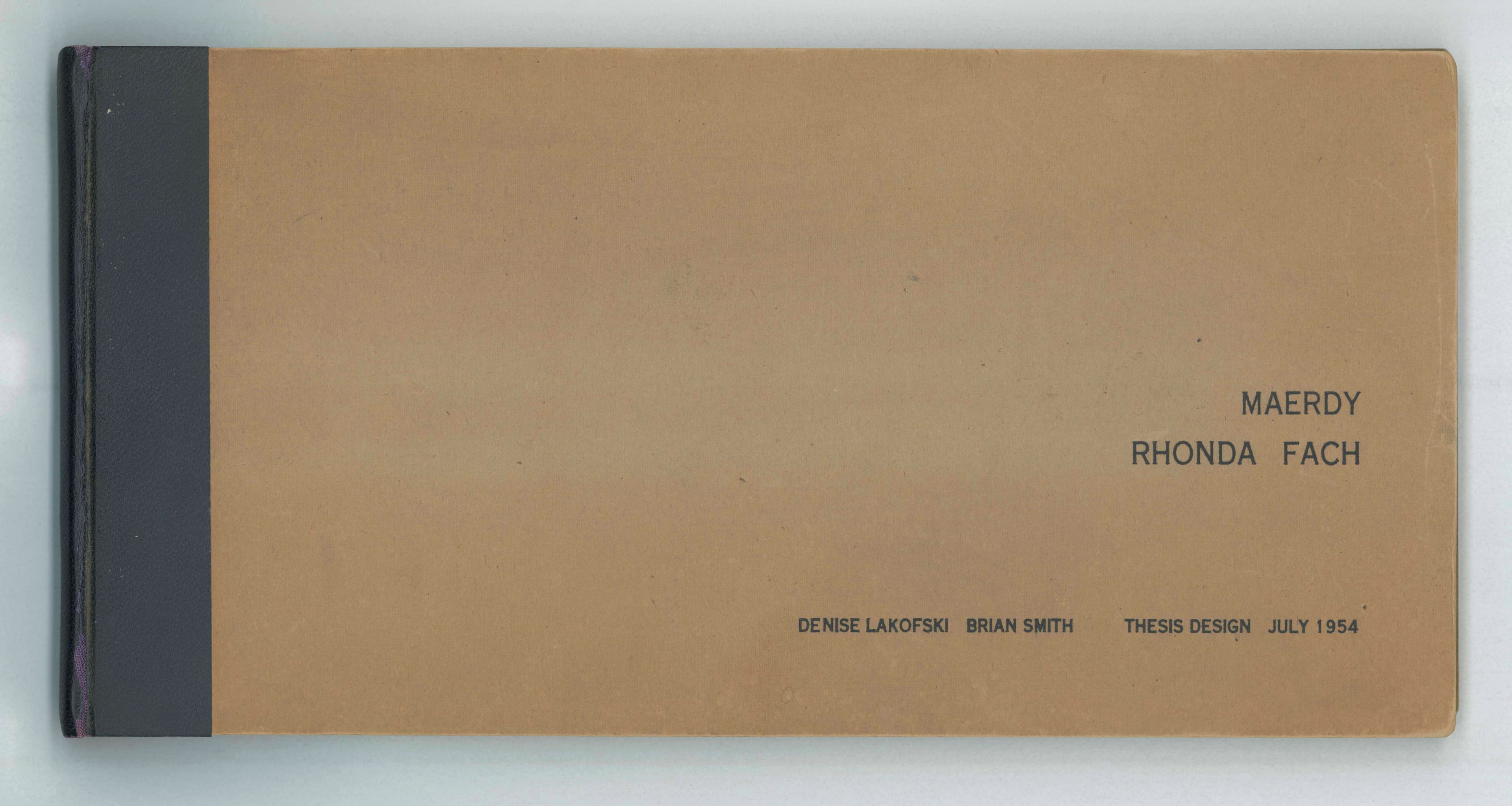
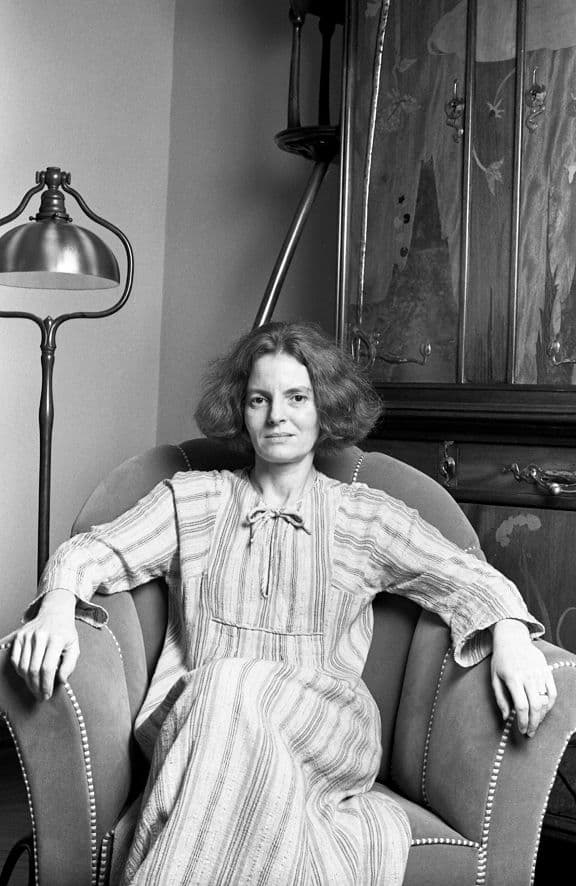
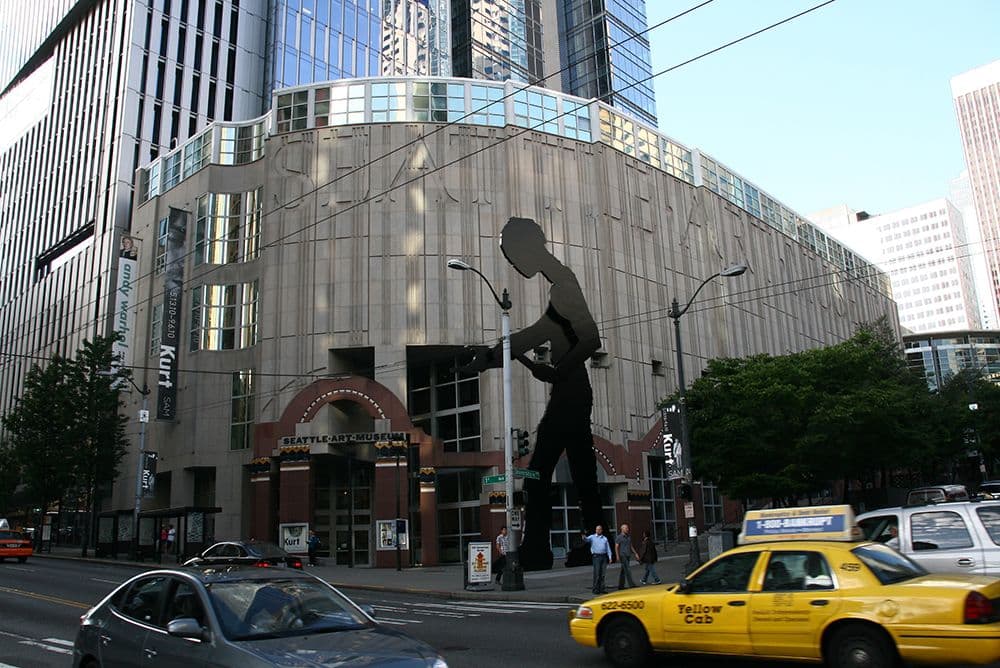
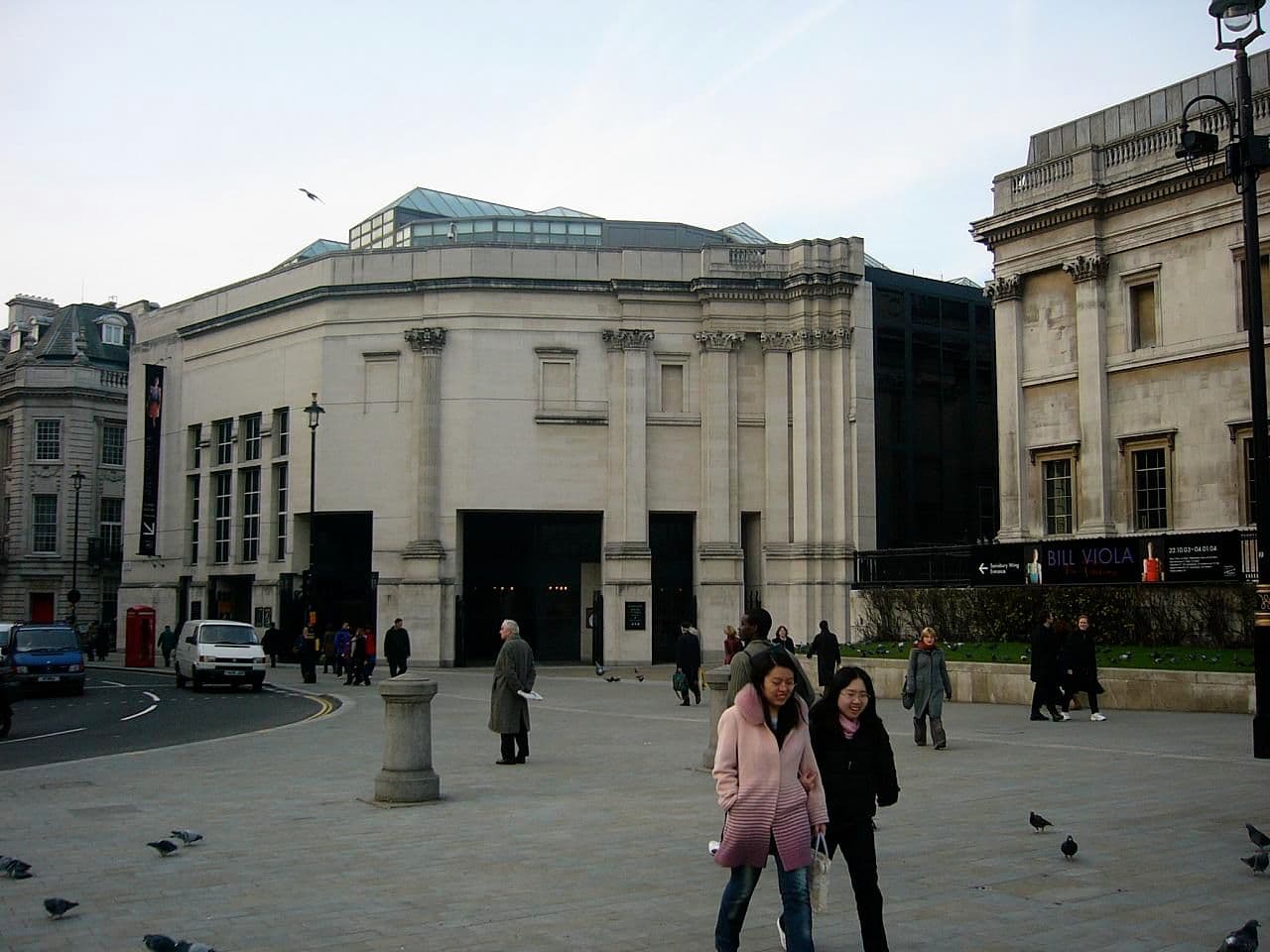
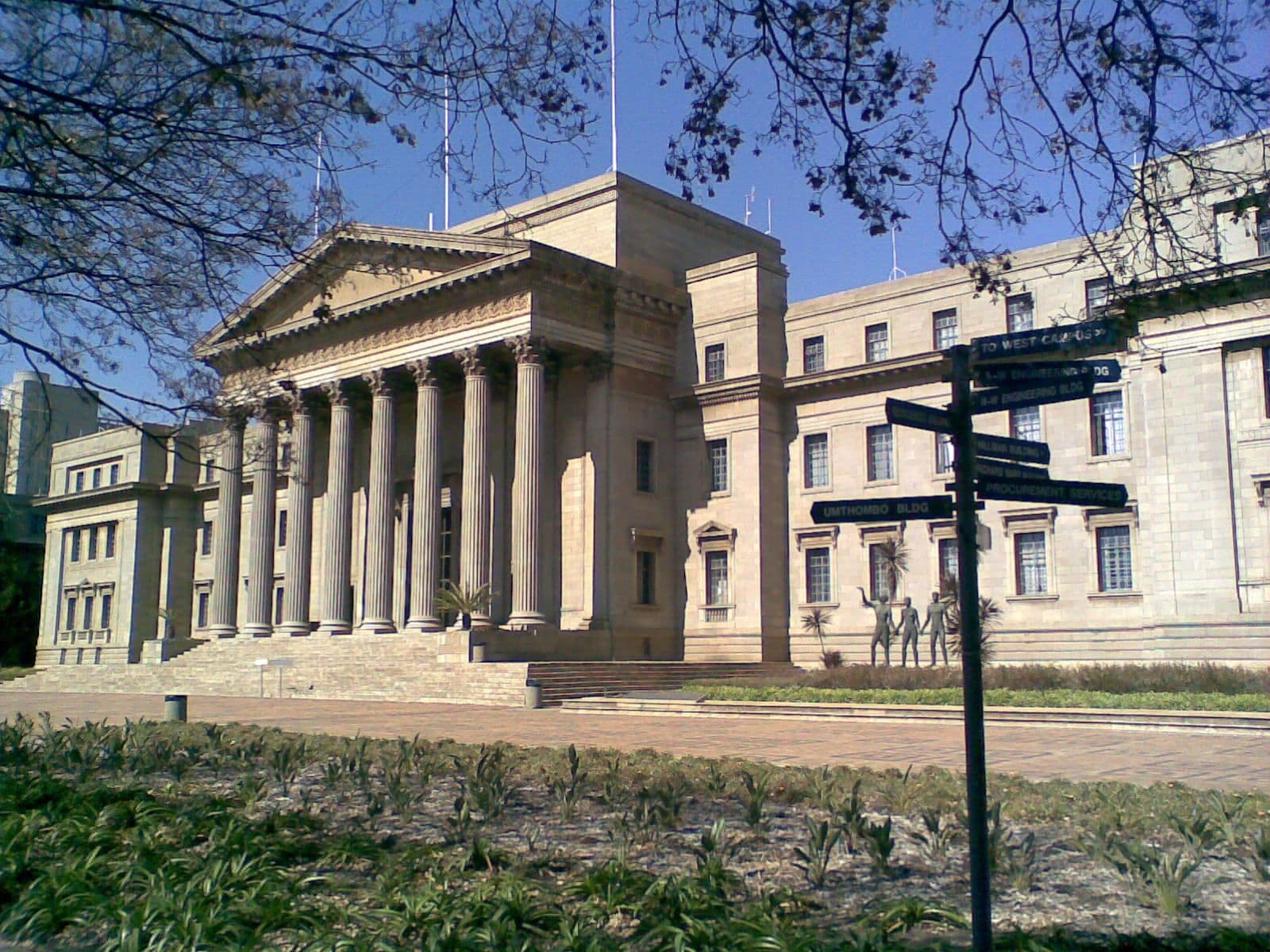
Denise Lakofski was born in ‘Nkana, Kitwe, Zambia, in 1931, moving in 1933, with her parents, to live in Johannesburg, where she was educated at Kingsmead College. She took an architecture degree at the University of The Witwatersrand, Johannesburg, from 1948-1952 but in 1952, in search of additional, practical training, she travelled to the UK and worked for the practice of Frederick Gibberd. Whilst in the UK, she enrolled at the Architectural Association, London, entering as a Third-Year student in 1952. As part of her final year’s studies, in 1954-55, Lakofski elected to be part of the first cohort of the newly formed AA Department of Tropical Architecture, joining her boyfriend, Robert Scott Brown, who had moved from Johannesburg to enter the Department as a postgraduate. Following her marriage to Scott Brown, in the summer of 1955, and a brief spell working for Erno Goldfinger, Denise spent six months travelling in Italy, with Robert, following an itinerary set by their friend, Robin Middleton, and culminating in participation in the 1956 CIAM Summer School in Venice. After returning to South Africa in 1957, both Denise and Robert set out for the University of Pennsylvania to study city planning, joining the Masters course there in 1958. Tragically, Robert was to die in a car crash in Doylestown, Pennsylvania, in July the following year, aged just 27. Denise completed her MSc in City Planning in 1960 and was immediately recruited to the University of Pennsylvania faculty, acting initially as an Instructor in the School of Fine Arts, then as an Assistant Professor from 1961-65. Whilst at Pennsylvania, Scott Brown met Robert Venturi, a fellow faculty member with whom she collaborated and taught a number of classes. A move to the University of California, Berkeley followed in 1965 and she was then appointed as co-chair of the Urban Design programme at the University of California, Los Angeles. After marriage to Robert in 1967, Denise joined his firm of Venturi, Raunch, becoming the principal in charge of planning in 1969. With the publication of the seminal ‘Learning From Las Vegas: the forgotten symbolism of architectural form’ in 1972 (written with Venturi and Steven Izenour) her career as theorist, architect, planner and educator was launched. Through her work with the practice of Venturi, Rauch, Scott Brown, she has been a pioneer of the Postmodern movement and has led design teams engaged in major planning projects for civic complexes and campuses, key examples being for the Universities of Pennsylvania and Michigan, as well as for individual buildings such as the Sainsbury Wing, at the National Gallery, London, and the Seattle Art Gallery. She has lectured at numerous academic institutions and published widely in academic journals, and held professorships at Yale and Harvard universities, as well as being awarded 14 honorary doctorates. Famously ignored by the Pritzker Prize committee in 1991, Denise has been the recipient of many awards of national and international importance, including the Jane Drew Prize for Women in Architecture (2017) and the Gold Medal of the American Institute of Architects (with Robert Venturi, 2016). Hugely influential in her thinking, writing and design, Denise remains one of the most important architectural figures of the 20th Century.
Sources
- Architectural Association Student Register 1945-1972, AA Archives
- Architectural Association Diploma Roll Book, 1924-1963, AA Archives
- Department of Tropical Architecture, student listing, Otto Koenigsberger Collection, Box OK27, AA Archives
- Denise Scott Brown, ‘Tribute to John Winter’ 2013. Audio recording. Architectural Association Archives.