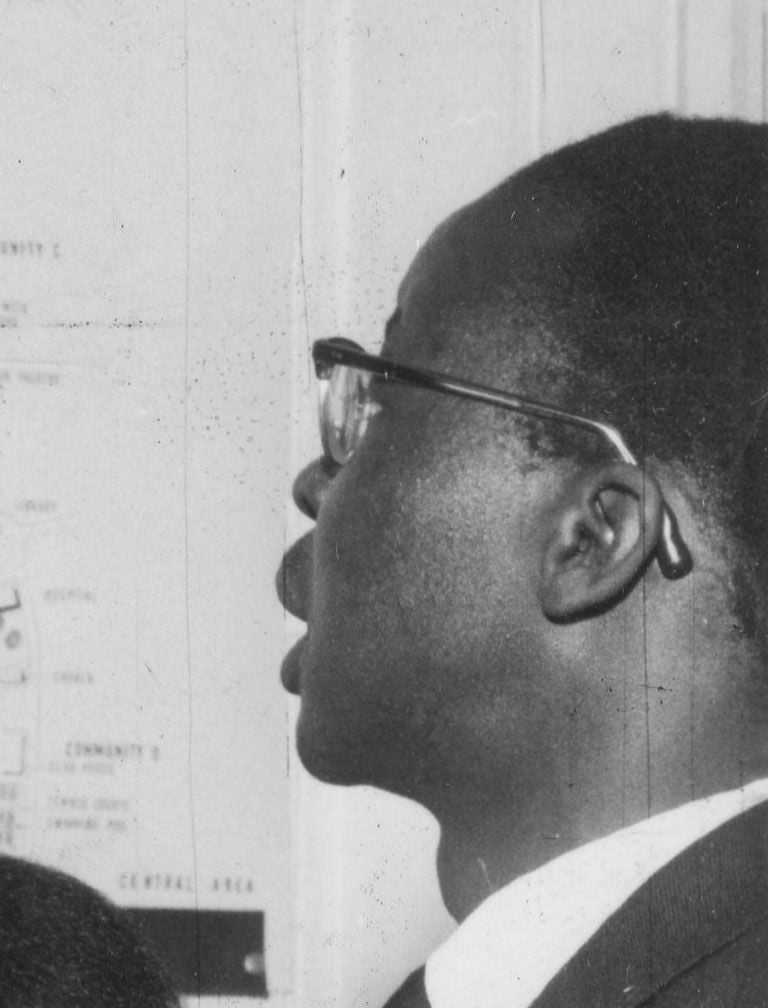
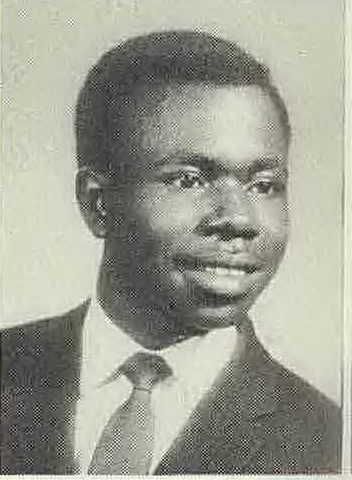
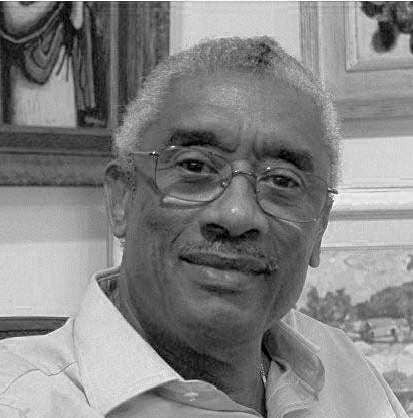
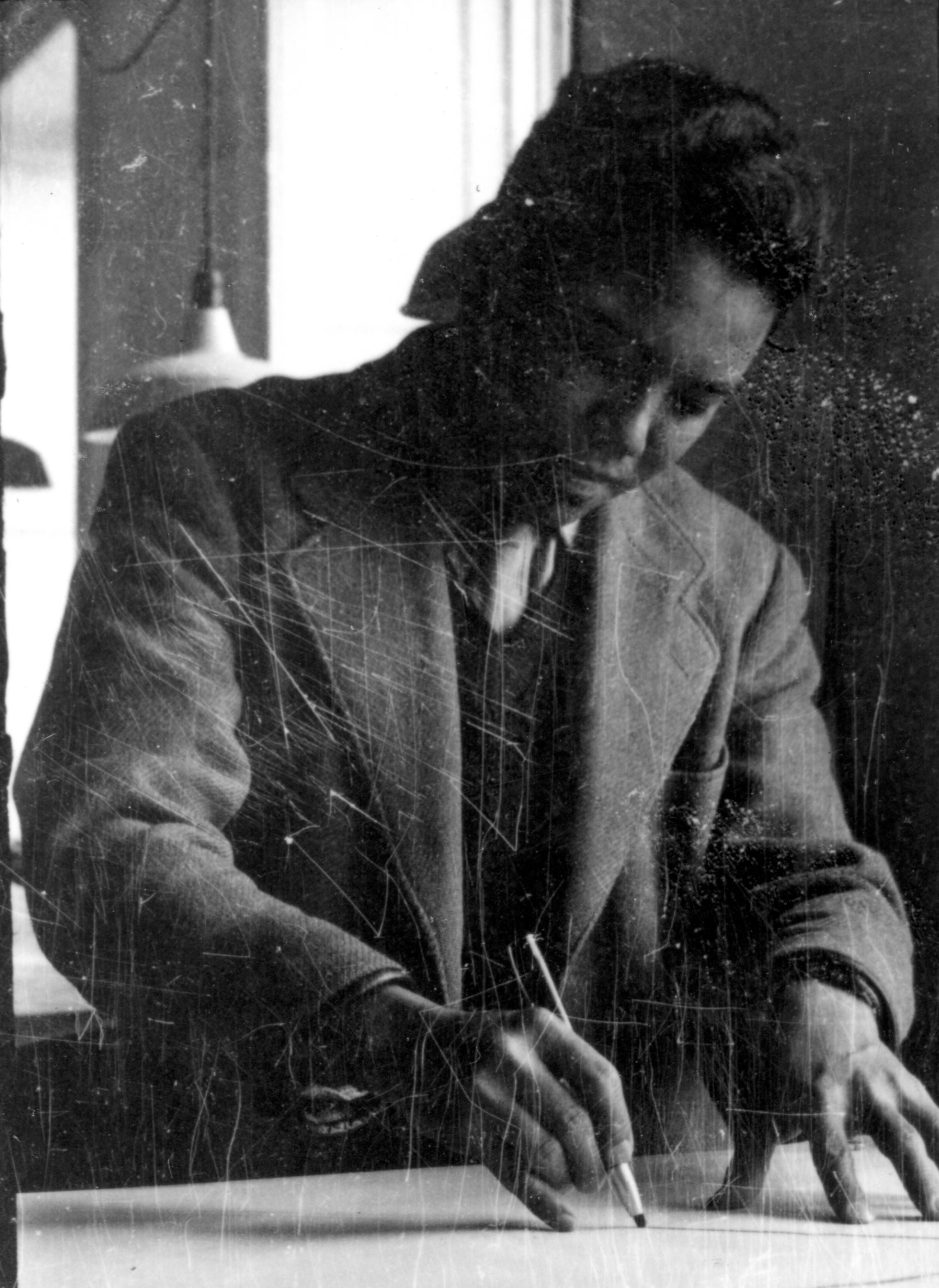
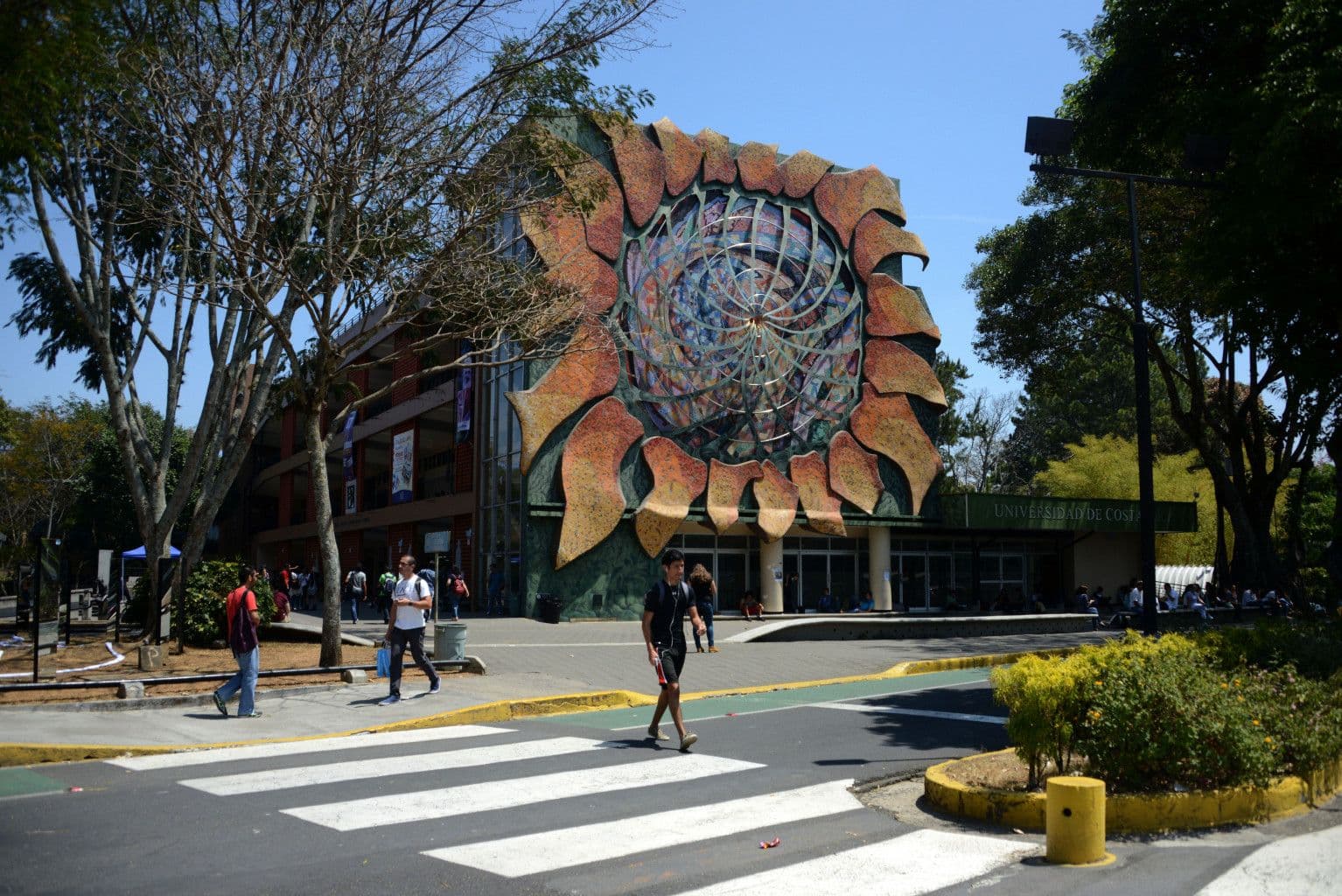
Carlos Hernán Segura Rodríguez was born in 1932 in San José, Costa Rica. Details of his early architectural education are unknown, but likely took place in Costa Rica, where he worked with the Ministry of Foreign Affairs to direct the remodeling of the Casa Amarilla in 1963, doubling the ministry’s capacity while striving to preserve its historic structure. He joined the Architectural Association’s (AA) Department of Development and Tropical Studies in 1968–69, where he completed the Educational Building Course. By the late 1960s there were calls to establish a School of Architecture affiliated with the University of Costa Rica and Segura seems highly likely to have been an active participant - his final thesis (with fellow student, Jorg Sierig) being on the topic of 'Climatic and Educational Design Standards for Costa Rica'. A year later, the University of Costa Rica (UCR) and the UK government we also engaged in talks around such a scheme and Otto Koenigsberger, the Head of the AA's Department of Development and Tropical Studies was asked by the UK Minister of Overseas Development to visit Costa Rica on a fact-finding mission. Under the aegis of the UK/Central American Technical Assistance Arrangements programme, Koenigsberger visited Costa Rica from April 14th – May 4th, 1970, interviewing specialists and holding talks with UCR. His subsequent report and recommendations were submitted to the Rector and Board of Trustees of UCR in April 1970. Both a Spanish and an English language copy remains within the AA Archives today. As part of this process, Koenigsberger was able to offer a number of scholarships for Costa Rican architects to study at the AA’s Department of Development and Tropical Studies for the academic year of 1970-71. Returning to Costa Rica following his graduation, Segura would go on to practice primarily in the public sector. By the early 1970s, he was employed at the Ministry of Public Works and Transport (MOPT), contributing to school-building projects through the Dirección de Arquitectura Escolar and preparing project drawings for the Tobías Bolaños Airport in San José (1970). He also played a formative role in professional governance, serving as Secretary (1971–72), Fiscal (1977–79), and Vocal I (1978–80) at the Colegio de Arquitectos de Costa Rica. His sectoral focus was public architecture, especially in government, education, and transport infrastructure. Outside professional practice, Segura was active in academia, helping to establish the University of Costa Rica’s School of Architecture in 1970 by translating key reports and facilitating the involvement of Otto Koenigsberger in curriculum design. He also published scholarly work, notably the article “Arquitectura y clima” (1986) co-authored with Katherine MacDonald, and later became a distinguished genealogist, serving as Vice-President of the Academia Costarricense de Ciencias Genealógicas (1999–2001). Segura passed away on June 24, 2007, in the town he was born, San José, leaving a legacy that bridged architecture, professional governance, and cultural history.
Sources:
- Architectural Association Student Register, 1968-69. AA Archives.
- Universidad de Costa Rica, Consejo Universitario. “Acta de la sesión extraordinaria n.° 1772 (18 de junio de 1970) — establecimiento de la Escuela de Arquitectura en la Universidad de Costa Rica (mención al arquitecto Carlos Hernán Segura Rodríguez como traductor del informe de Otto Koenigsberger).” Consejo Universitario, Universidad de Costa Rica. June 18, 1970. Accessed July 4, 2025. https://www.cu.ucr.ac.cr/uploads/tx_ucruniversitycouncildatabases/minute/1970/1772.pdf
- MacDonald, Katherine, and Carlos Hernán Segura. “Arquitectura y clima.” Acta Académica 1, no. 1 (February 1987): 71–75.
- Academia Costarricense de Ciencias Genealógicas. “Revista Electrónica de la Academia Costarricense de Ciencias Genealógicas, Nº 5 (julio 2007) — homenaje a Carlos Hernán Segura Rodríguez y recopilación de sus trabajos genealógicos.” Academia Costarricense de Ciencias Genealógicas. July 2007. Accessed September 12, 2025. https://es.scribd.com/document/251064465/ACCG-revista005
- Alejandro Bonilla Castro and Rosa Elena Malavassi Aguilar. “Los rostros de la Casa Amarilla. Proyectos arquitectónicos e iconografía de la Corte de Justicia Centroamericana, San José, Costa Rica (1907–1919).” Revista Costarricense de Política Exterior 11, no. 1 (June 2012). Accessed August 18, 2025. https://www.rree.go.cr/files/includes/files.php?id=386&tipo=documentos&
- Colegio de Arquitectos de Costa Rica. “Colegio de Arquitectos de Costa Rica – Memorias.” San José: Colegio Federado de Ingenieros y de Arquitectos de Costa Rica, 2020. Accessed June 29, 2025. https://www.scribd.com/document/464555172/1-Colegio-de-Arquitectos-de-Costa-Rica-Memorias-pdf
- Antzinako – Asociación de Genealogía e Historia de Navarra, Gipuzkoa y País Vasco. “Segura — Carlos Hernán Segura Rodríguez (nació en San José, Costa Rica; arquitecto; Académico de Número de la Academia Costarricense de Ciencias Genealógicas).” Antzinako. n.d. Accessed July 14, 2025. https://www.antzinako.org/Linaje.php?linaje=RepLinajes%2Fsegura.html
- Academia Costarricense de Ciencias Genealógicas. “Revista de la Academia Costarricense de Ciencias Genealógicas, Nº 2 — índice de artículos (incluye trabajos de Carlos Hernán Segura Rodríguez).” Academia Costarricense de Ciencias Genealógicas. n.d. Accessed June 20, 2025. https://www.scribd.com/document/634117042/ACCG-revista002