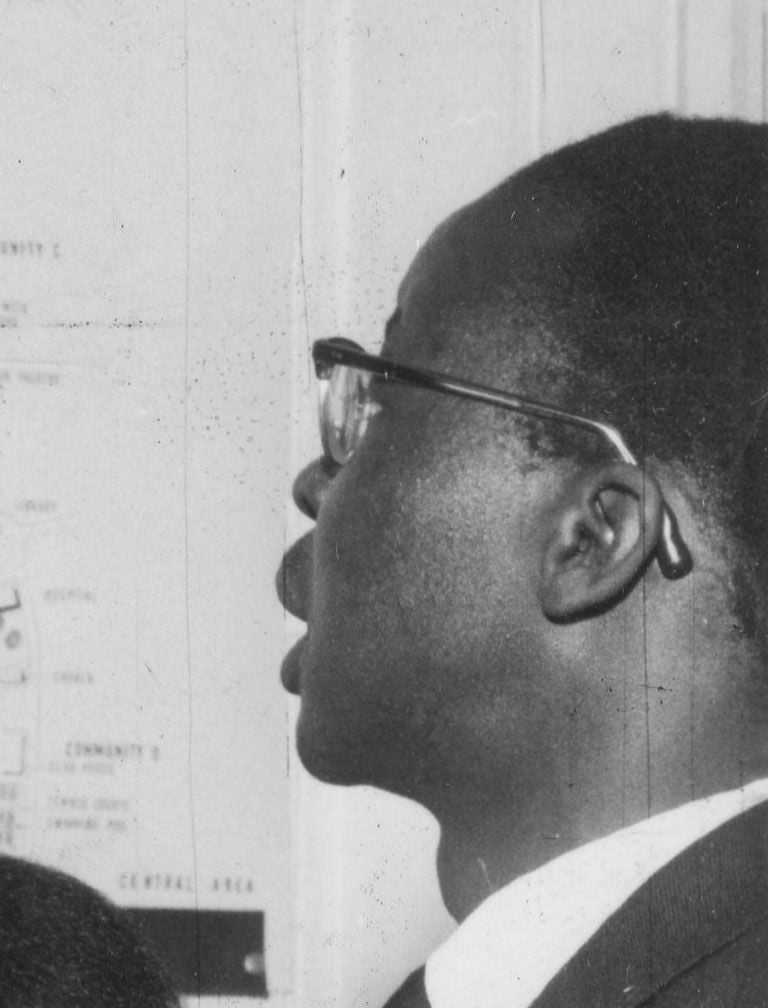
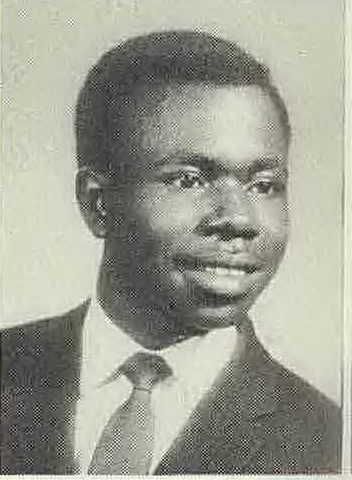
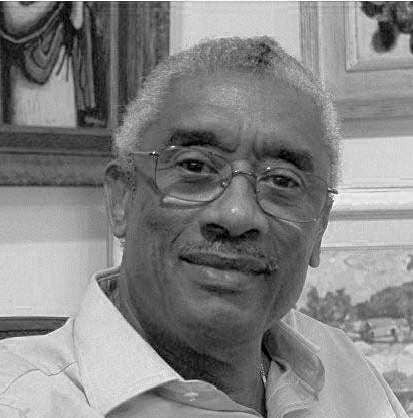
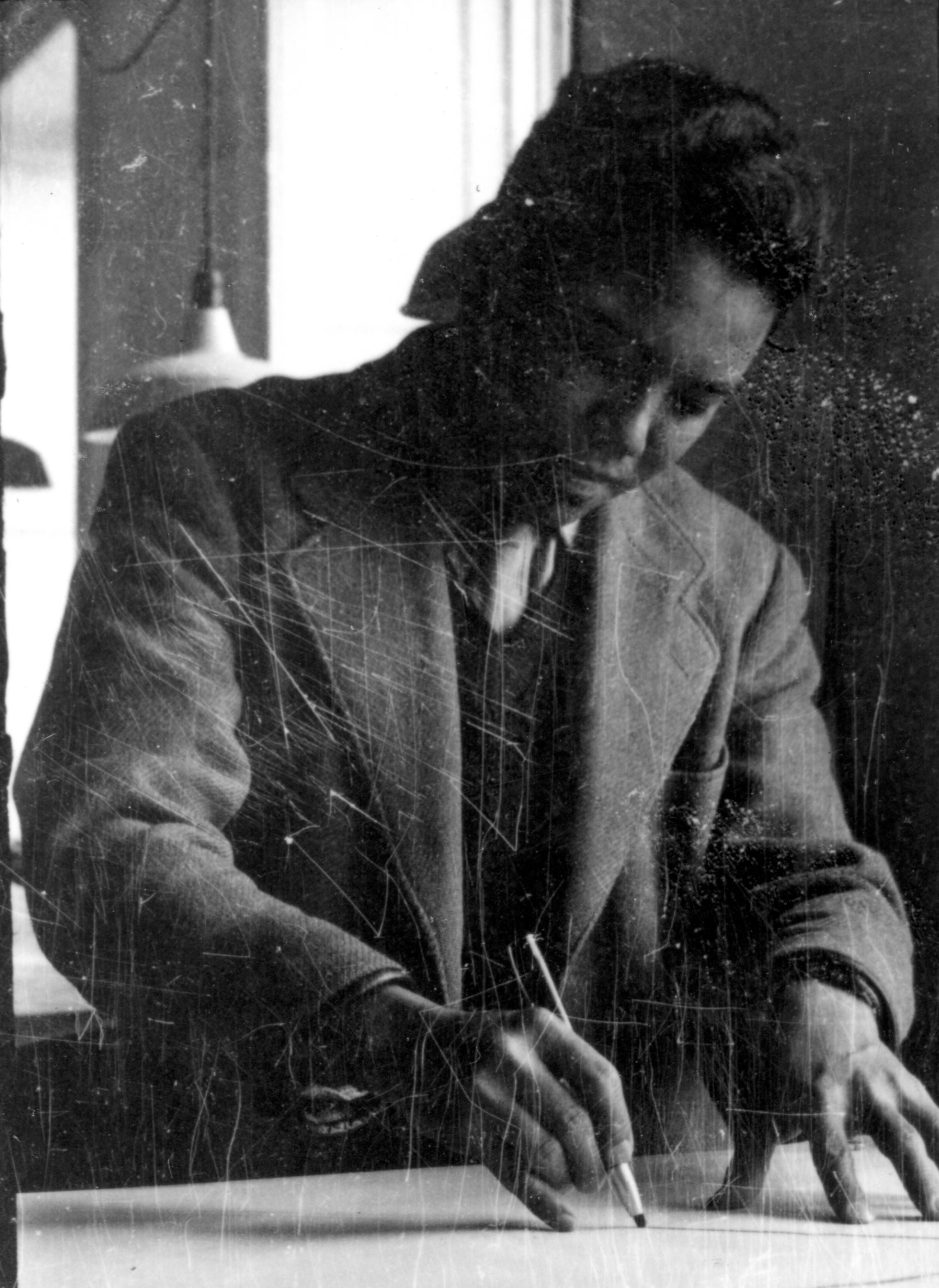
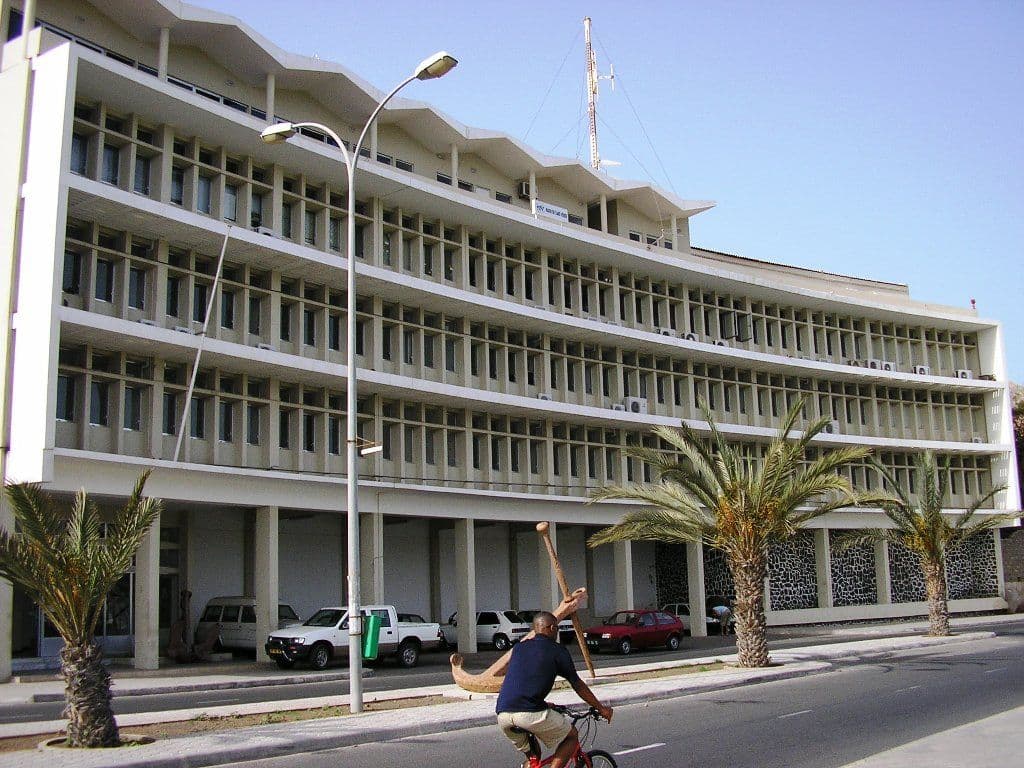
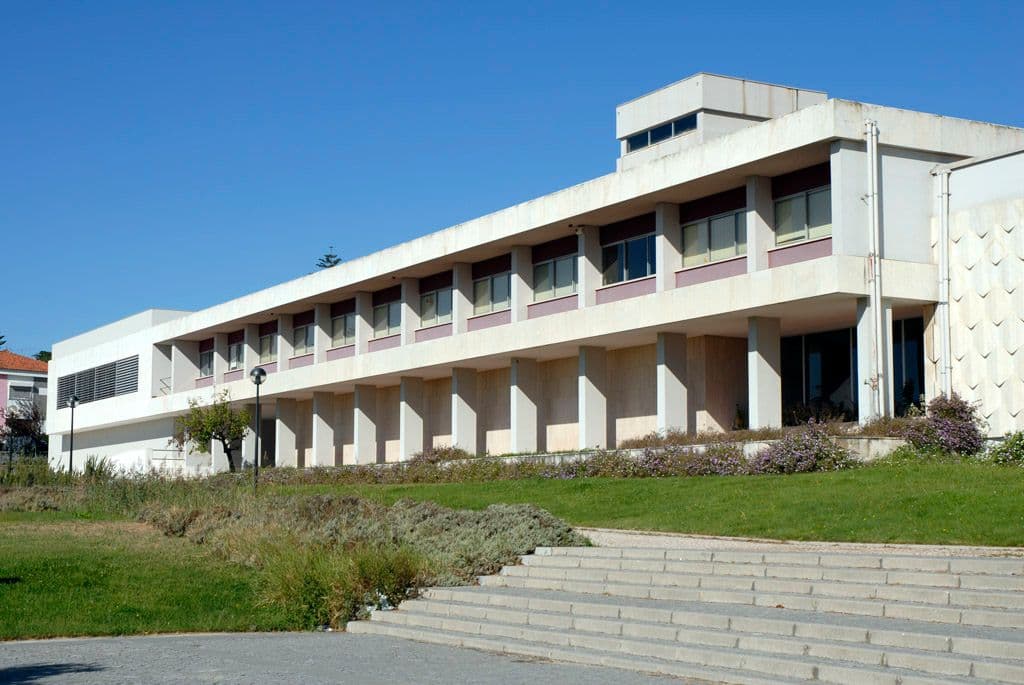
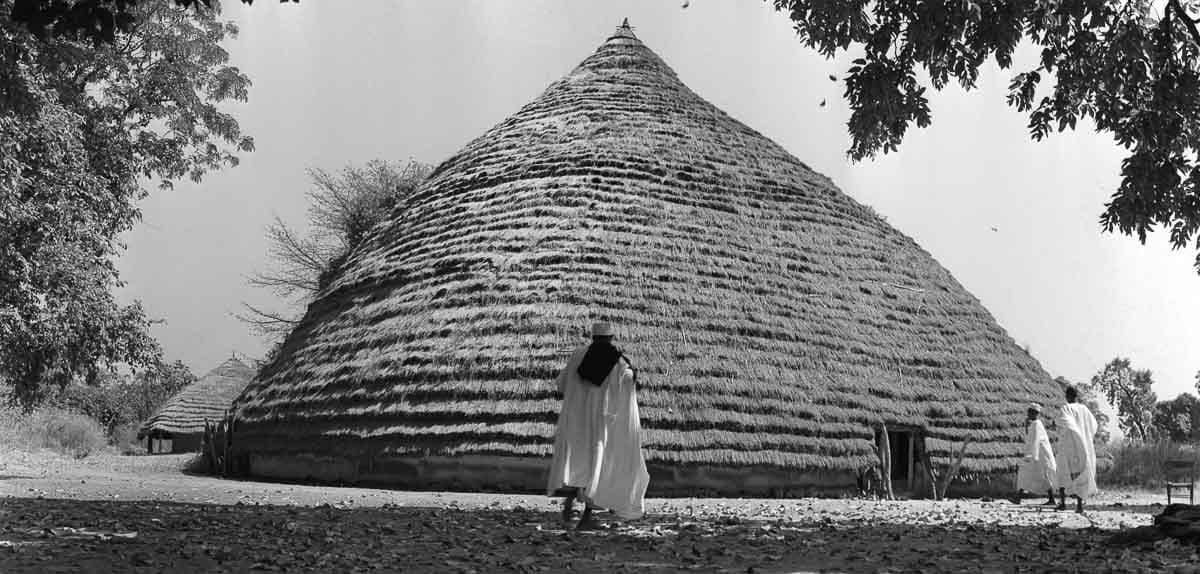
By 1957 Antonio Seabra was employed as an architect at the Gabinete de Urbanização do Ultramar (GUU), the office responsible for construction and planning in the Portuguese colonies. The GUU had previously dispatched one of their employees, Luis Possolo, to London in 1954 to study at the Architectural Association’s Department of Tropical Architecture, and Antonio Seabra was similarly sent on this post-graduate course in 1958-59, alongside another colleague, Fernando Schiappa de Campos. One specific motive for this overseas training was to prepare for a fieldwork mission in Portuguese Guinea (now Guinea Bissau) ‘Missão de Estudo do Habitat Nativo da Guiné,’ funded by the Portuguese Overseas Research Council. Schiappa de Campos was appointed leader, with Seabra confirmed as 1st Assistant in August 1958, alongside the sociologist, Amadeu Castilho Soares, just prior to their departure to London. The mission’s role was to study and document vernacular housing and ways of living, in urban and rural environments and took place from 10th September 1959 until the 15th February, 1960. Schiappa de Campos and Seabra did not return to Portugal immediately but took the opportunity to continue their research in Nigeria and Ghana for a further two weeks. The resulting archive of nearly 2000 negatives, slides and prints, together with 14 field notebooks and other documentation, is now preserved in the Instituto de Investigação Científica Tropical. A report of the mission was eventually published in 1970 as ‘Habitats Tradicionais da Guinea Portuguesa.’ Seabra continued working for the Portuguese government through the 1960s, his Capitania ou Edifício do Comando Naval, at Mindelo, Sao Vincente Island, Cape Verde (with Graciano Cohen as engineer) being completed in 1962, having subsequently been hailed as the perhaps the one of the earliest examples of a Modern Movement influenced building in Cape Verde. A Naval Radio Station, incorporating transmitting and receiving centres, barracks and residences for officers, corporals and sergeants was also part of Seabra’s work at Mindelo in the early 1960s, for the GUU’s successor organisation, the Planning and Housing Services Directorate (DSUH). Most prominent amongst Seabra’s subsequent work for the government was the National Museum of Ethnology, in Lisbon, proposals for which he started in the mid 1960s with the building being completed and inaugurated in 1976.
Sources
- Architectural Association Council Minutes Books, 23rd February, 1959, p317, AA Archives
- Architectural Association Membership List, 1961
- Arena: The Architectural Association Journal, 1958, Vol 74, p252
- Figueira, Jorge, and Bruno Gil. ‘Otto Koenigsberger and the Course on Tropical Architecture at the Architectural Association, London. Some Notes on the Portuguese Context’. Docomomo Journal, no. 48 (1 July 2013): 70–75
- Ana Vaz Melheiro, ‘Fernando Schiappa de Campos’ Jornal Arquitectos, 238. Accessed 29th January 2024. http://arquivo.jornalarquitectos.pt/en/238/Grey%20Eminence/.
- Missão de Estudos do Habitat Nativo da Guiné, catalogue description of archival holdings, Arquivo Cientifico Tropical, Instituto de Investigacao Cientifica Tropical, Lisbon. Accessed 20th April, 2025: https://actd.iict.pt/collection/actd:AHUMEHNG