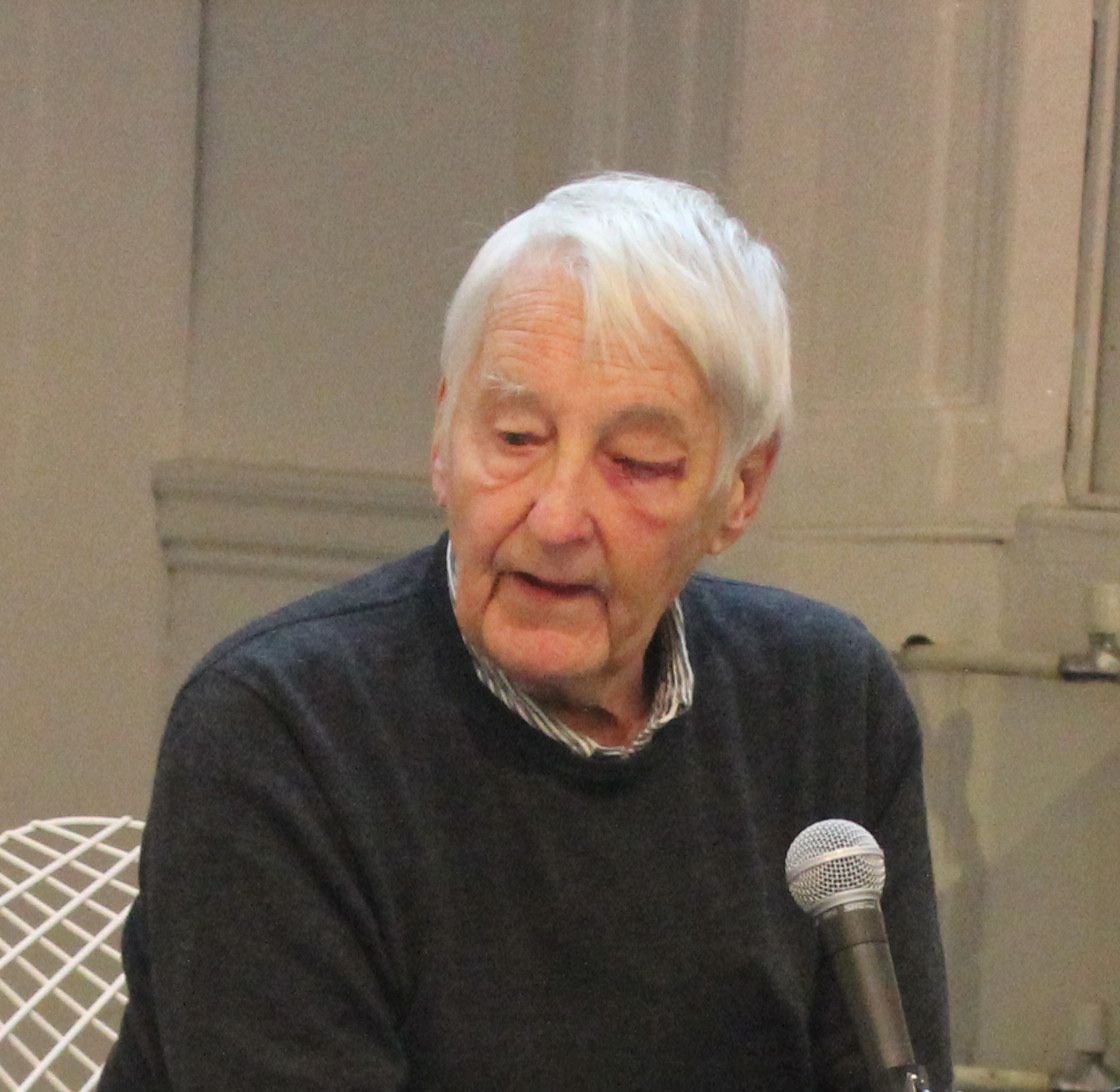
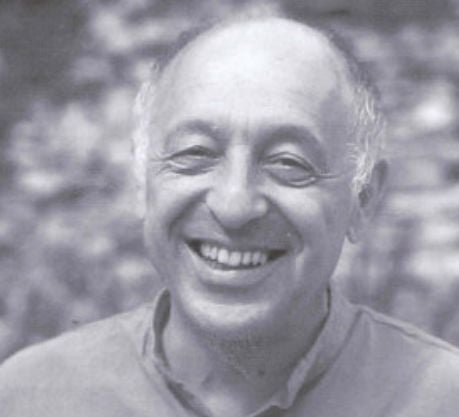
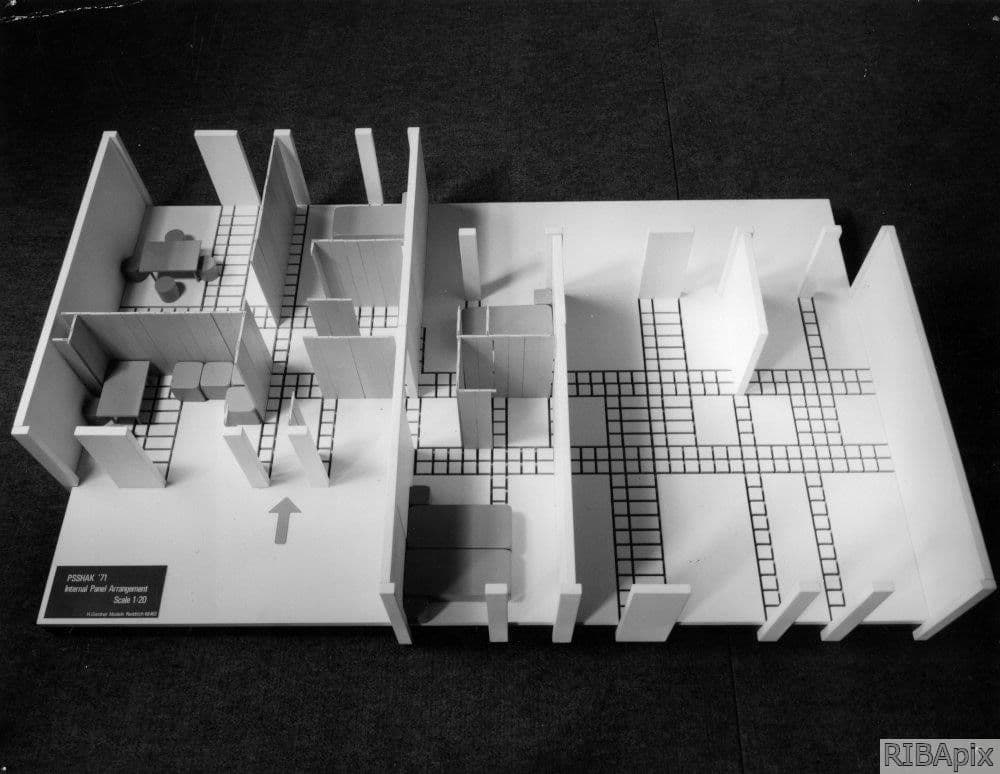
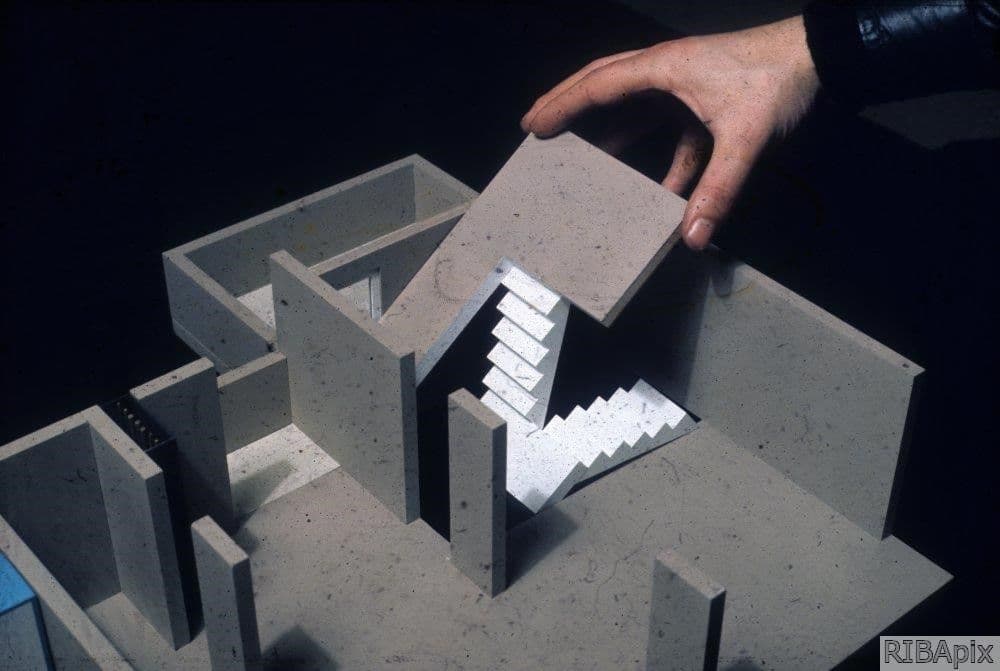
An internationally renowned figure in the field of low-income housing, participatory planning, and slum upgrading. Nabeel Khalid Hamdi was born in Afghanistan in 1945 to Iraqi parents. In 1964 he joined the Architectural Association diploma course as a first-year student and after his second year he was advised to gain a year of practical experience which he undertook at JB Cooper in London. Upon resuming his third-year studies in 1967-68, he visited Holland with his colleague at the AA Nick Wilkinson to study the work of the Dutch Architect John Habraken on customizable housing and flexible construction systems. In 1969-70 Hamdi and Wilkinson worked together to develop and apply those ideas in their final AA thesis. Their work was presented to a member of the Greater London Council and the then Minister of Housing Anthony Greenwood, who were excited by their ideas and felt they were relevant for the GLC and they should continue their work and develop prototypes. In 1969-70 Hamdi was awarded the AA Diploma and the certificate of the Department of Development and Tropical Studies (DTA), which he join for his final AA year. Immediately upon graduating, in 1970 he was appointed with Nick Wilkinson to the GLC where he continued to work until 1978 developing Primary Systems Support Housing and Assembly Kits (PSSHAK). At the GLC his work included housing schemes in Stamford Hill, Hackney (1976) and in Adelaide Road, Campden (1976-1979) for which they gained fame for applying his and Wilkinson’s influential PSSHAK methods. This enabled prospective residents to participate in deciding the internal plans for their dwellings and to freely position a kit of elements manufactured by the Dutch company Bruynzeel. These included partition walls, doors and cupboards before the tenants moved in and offered them the ability to adapt these plans in response to their changing needs. This work was exhibited at the ICA in the Mall in 1972 entitled “A PSSHAK of Your Own: an Alternative approach to Mass Housing,” and more recently in November 2024 at the V & A in an exhibition entitled “A Home for All: Six Experiments in Social Housing.” In subsequent years Hamdi researched, taught, and widely advised international development agencies and NGO’s on housing and participatory planning around the world. These included programmes and projects in Sri Lanka, India, Cambodia, Egypt, Ecuador, South Africa, and Sudan amongst others. Between 1981/90 he was Assistant and then Associate Professor of Housing at the Massachusetts Institute of Technology (MIT), where he collaborated with Rienhard Geothert, also a pioneering specialist in urban upgrading. This work culminated in Hamdi and Geothert being awarded the UN – Habitat Scroll of Honour in 1997 for their work in community-based action planning. In 1992 Hamdi founded the practice–based and interdisciplinary Masters in Development Practice (CENDEP) at Oxford Brookes University which was subsequently awarded the Queens Anniversary Prize for Higher and Further Education in 2001. In 2010 Hamdi was appointed Professor Emeritus at Oxford Brookes. Amongst his most important books are: The Placemakers Guide to Building Community (2010), Small Change (2004), Housing Without Houses (1996) and Action Planning for Cities, a Guide for Community Practice, with R Geothert. In 2019 he was appointed by Prime Minister Theresa May along with Thouria Istephan, CDM manager at Foster and Partners to serve as experts at Phase 2 for the Grenfell Inquiry from which he later resigned.
Sources
- Architectural Association Student Register 1945‐1972, AA Archives
- Architectural Association Diploma Roll Book, 1964‐1975, AA Archives
- Architectural Association Student Records Microfiche Files, 1964-1973, AA Archives
- Nabeel Hamdi (2004), Small Change: About the Art of Practice and the Limits of Planning in Cities, Routledge
- Flexible Housing, Tatjana Schneider and Jeremy Till (2007) Architectural Press
- The new PSSHAK, Architectural Design, vol.45 no.19, Andrew Rabeneck (1975)
- UN Scroll of honour, https://unhabitat.org/scroll-of-honour, accessed on 13 April
- PSSHAK MARK 2: FLEXIBLE GLC HOUSING TAKES A STEP FORWARD The Architects' Journal (Archive : 1929-2005); May 21, 1975; 161, 21; Art & Architecture Archive pg. 1070
- The Greater London Council tries tenant design, Deyan Sudjic, in Building Design, no. 412, 1978 Sept. 8, P 30-31