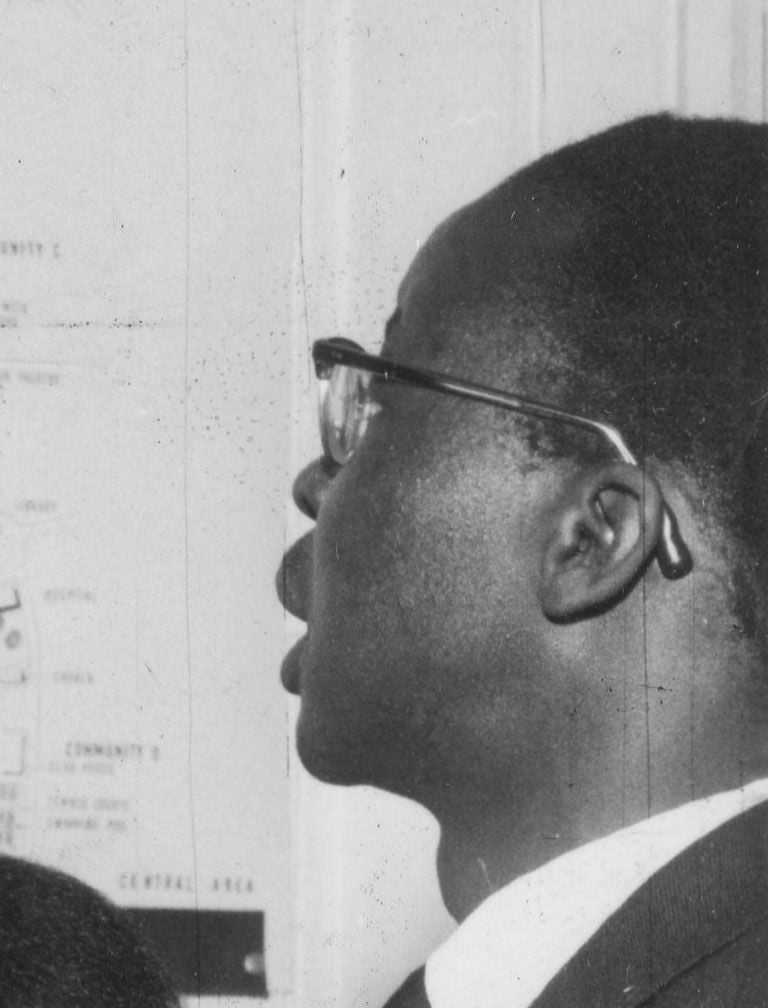
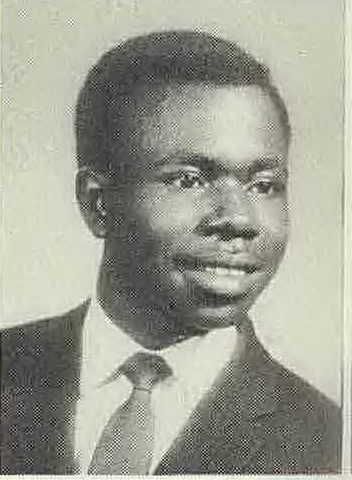
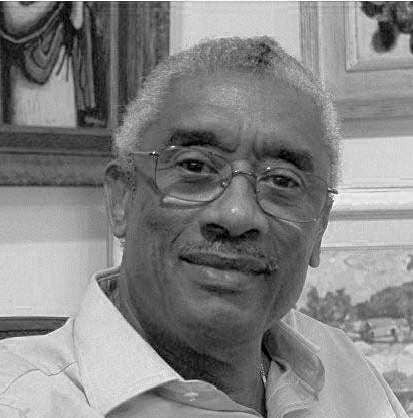
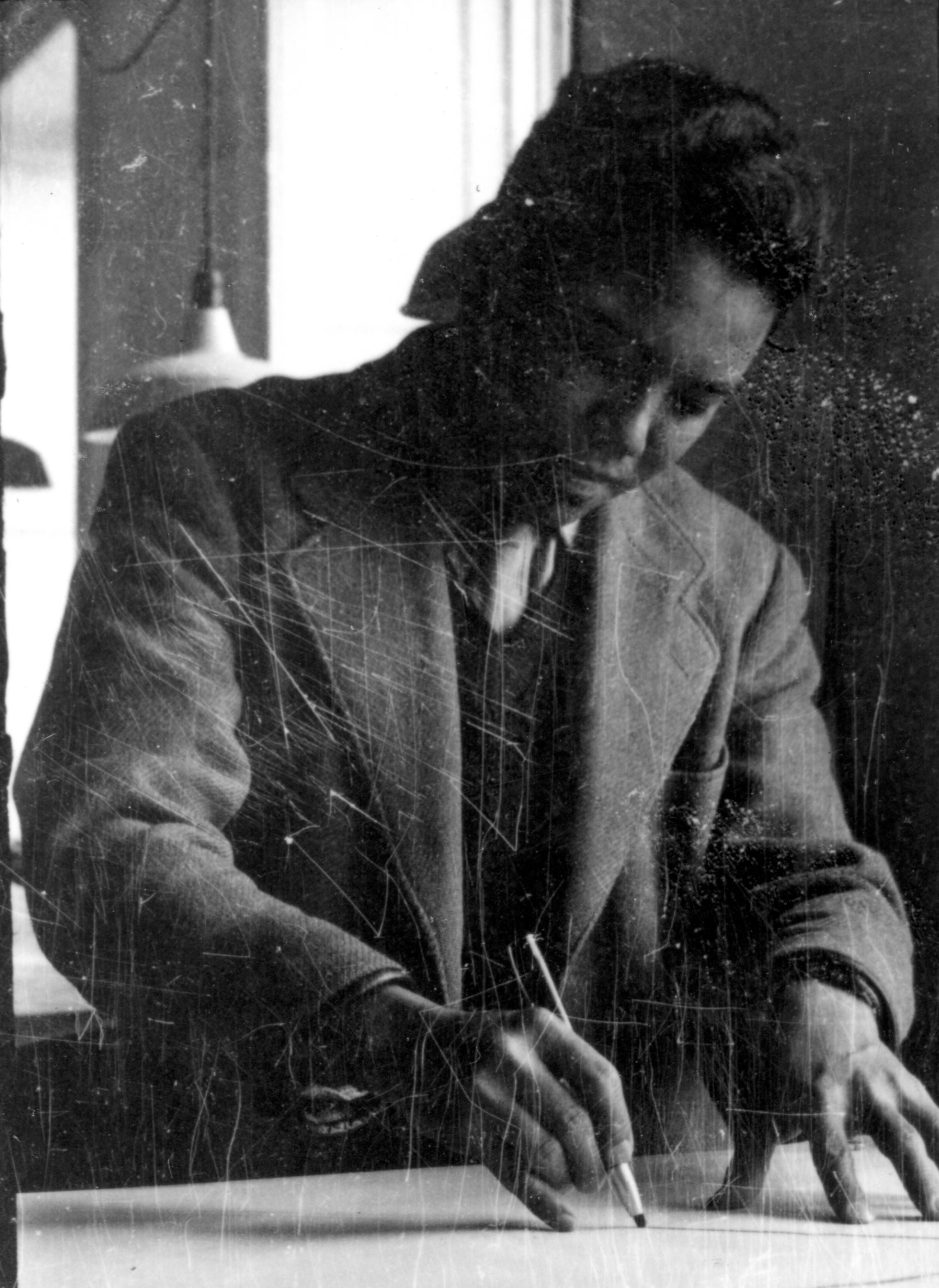
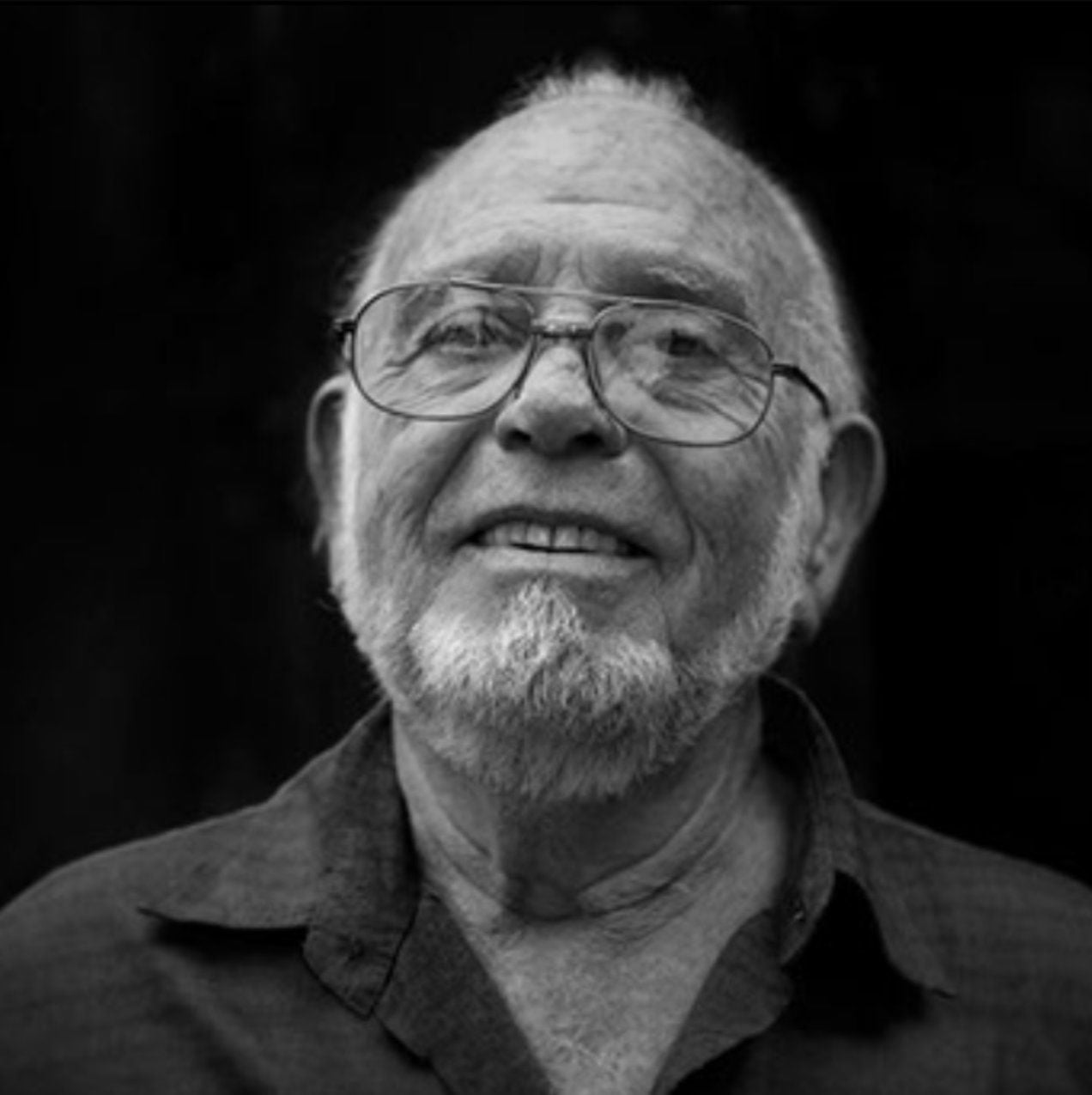
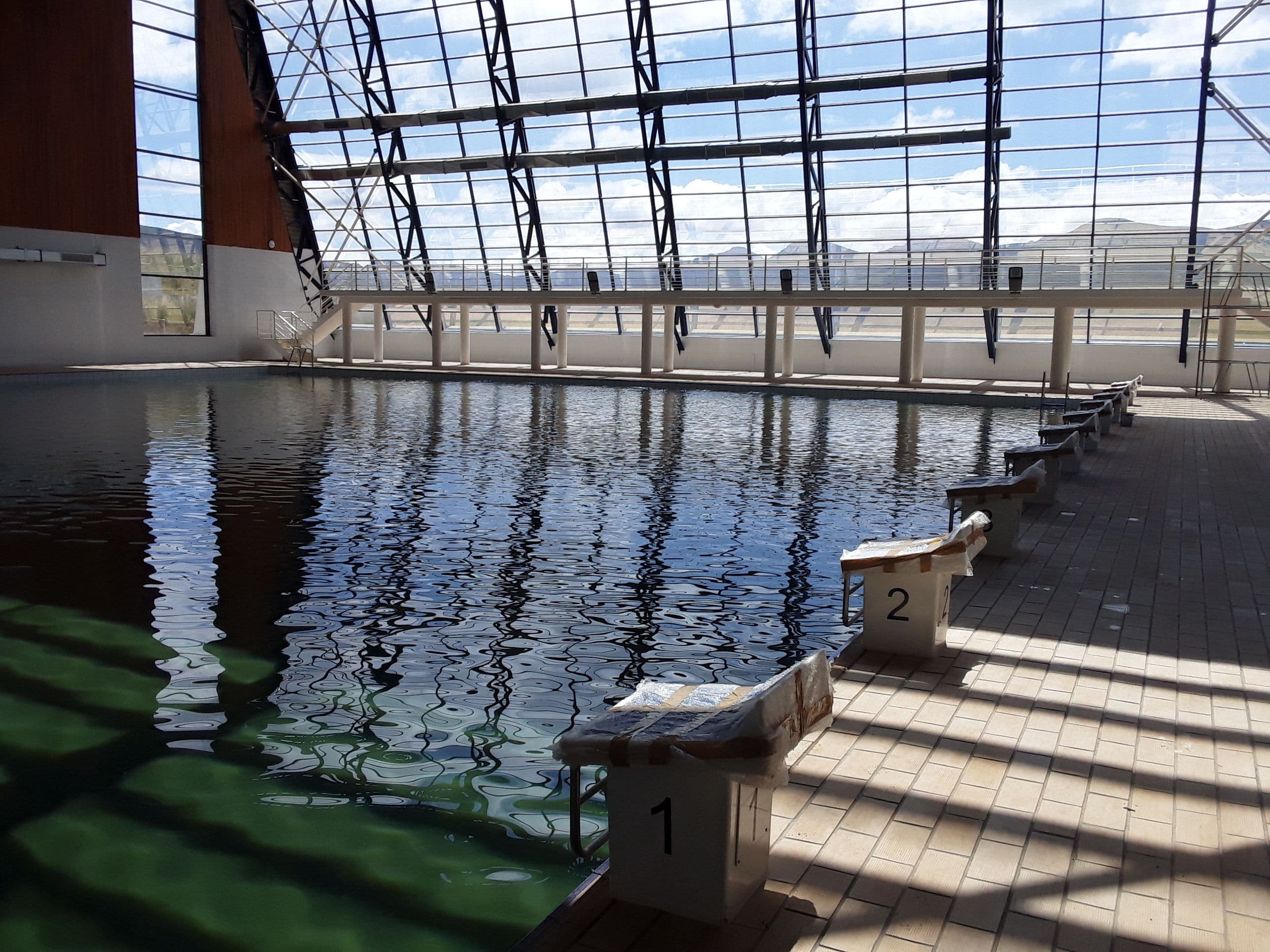
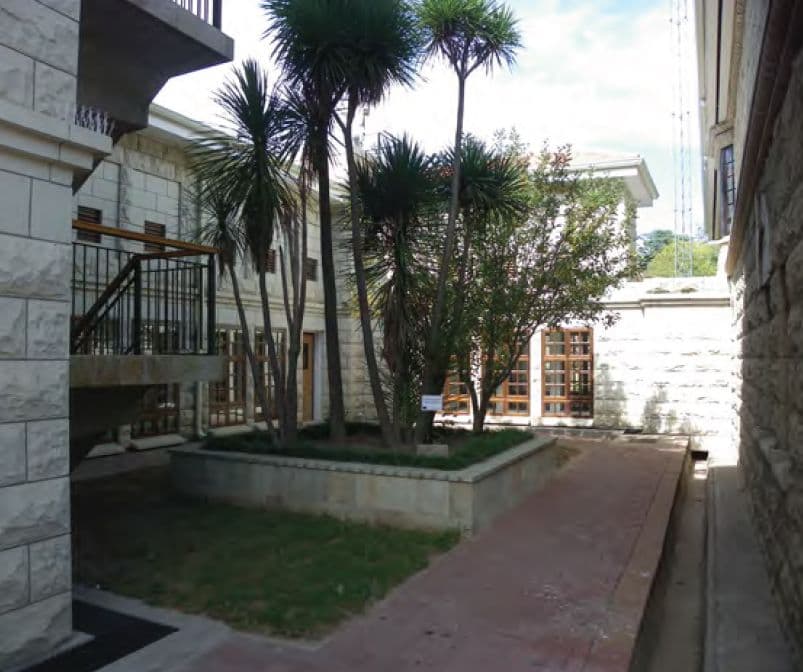
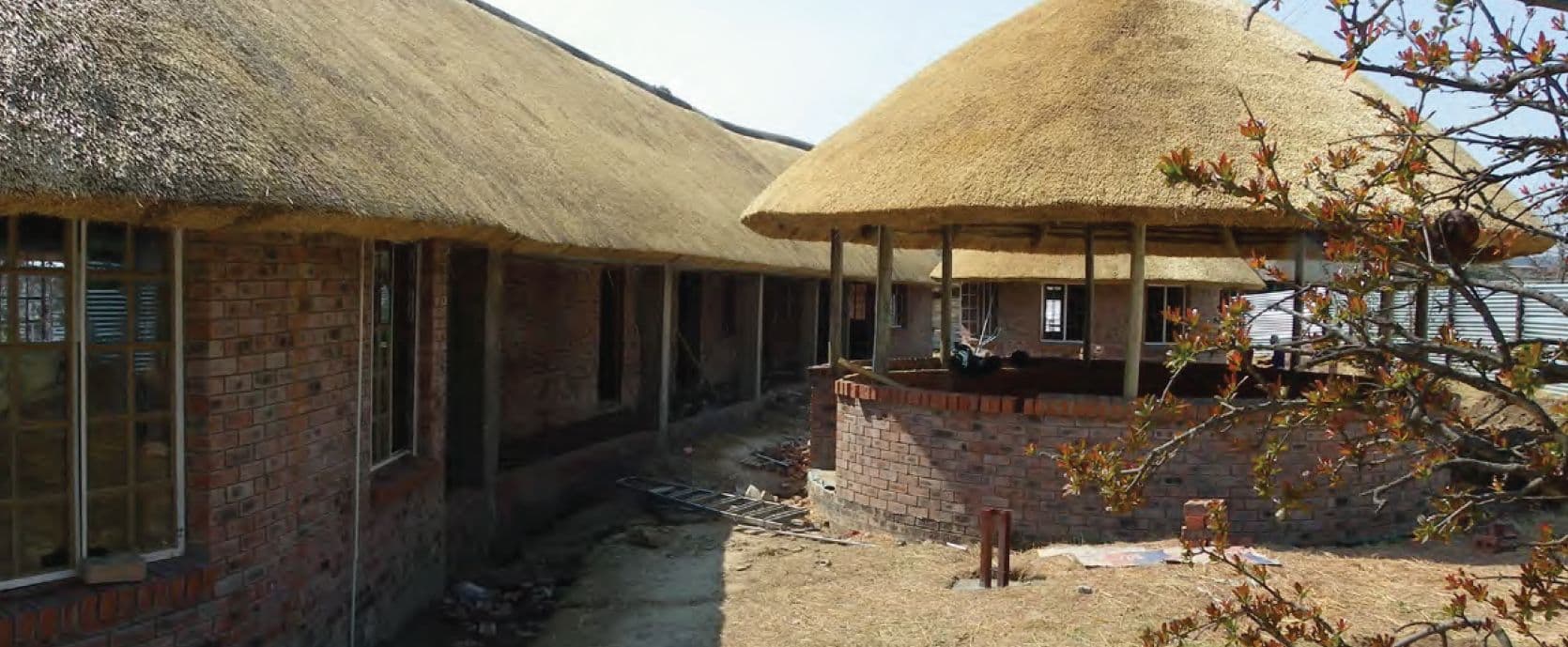
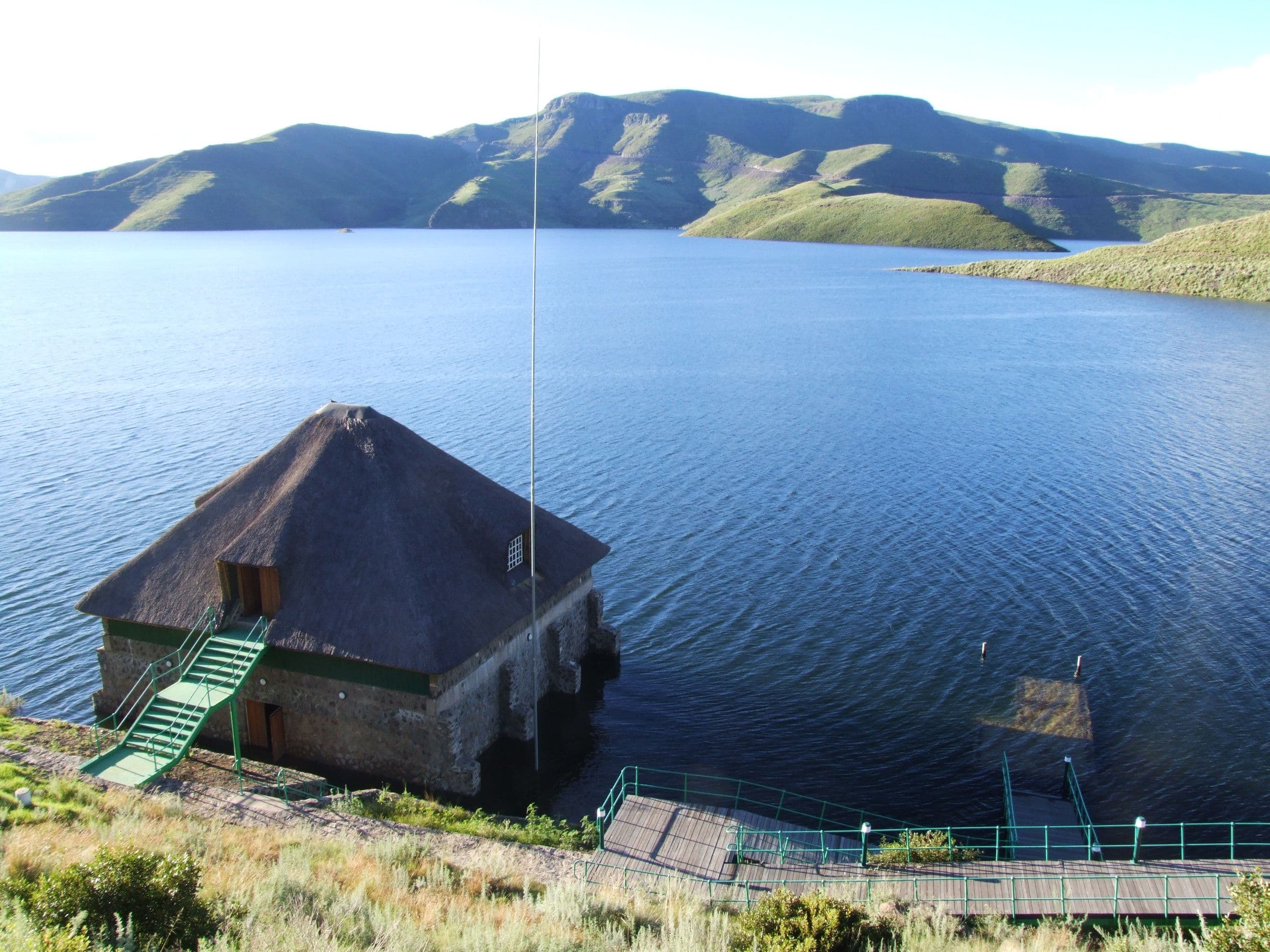
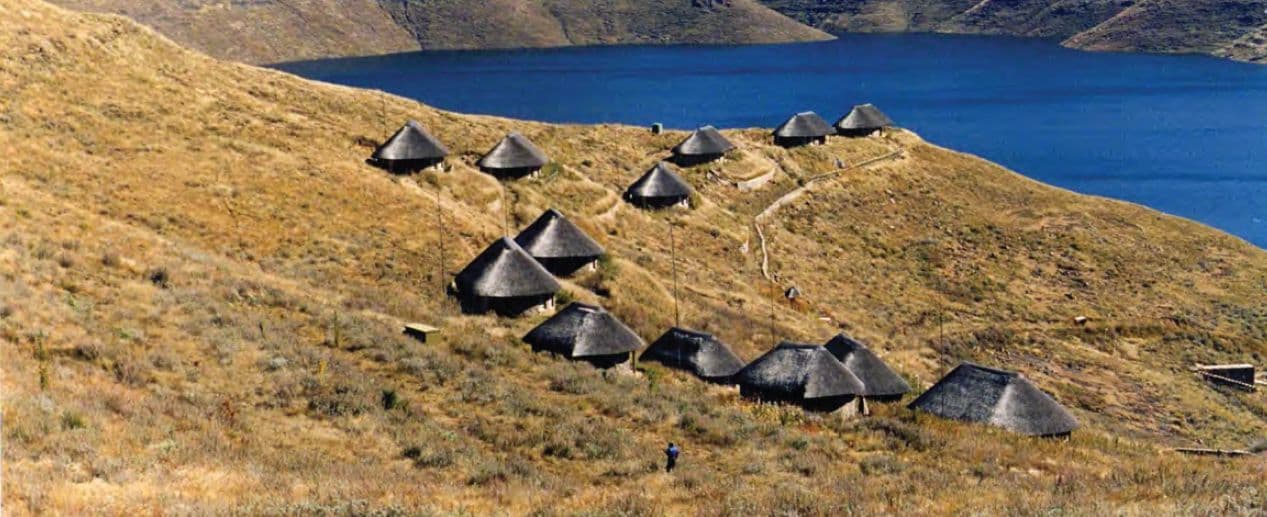
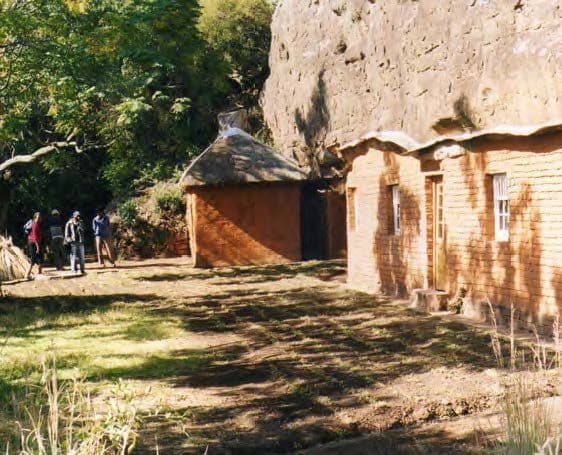
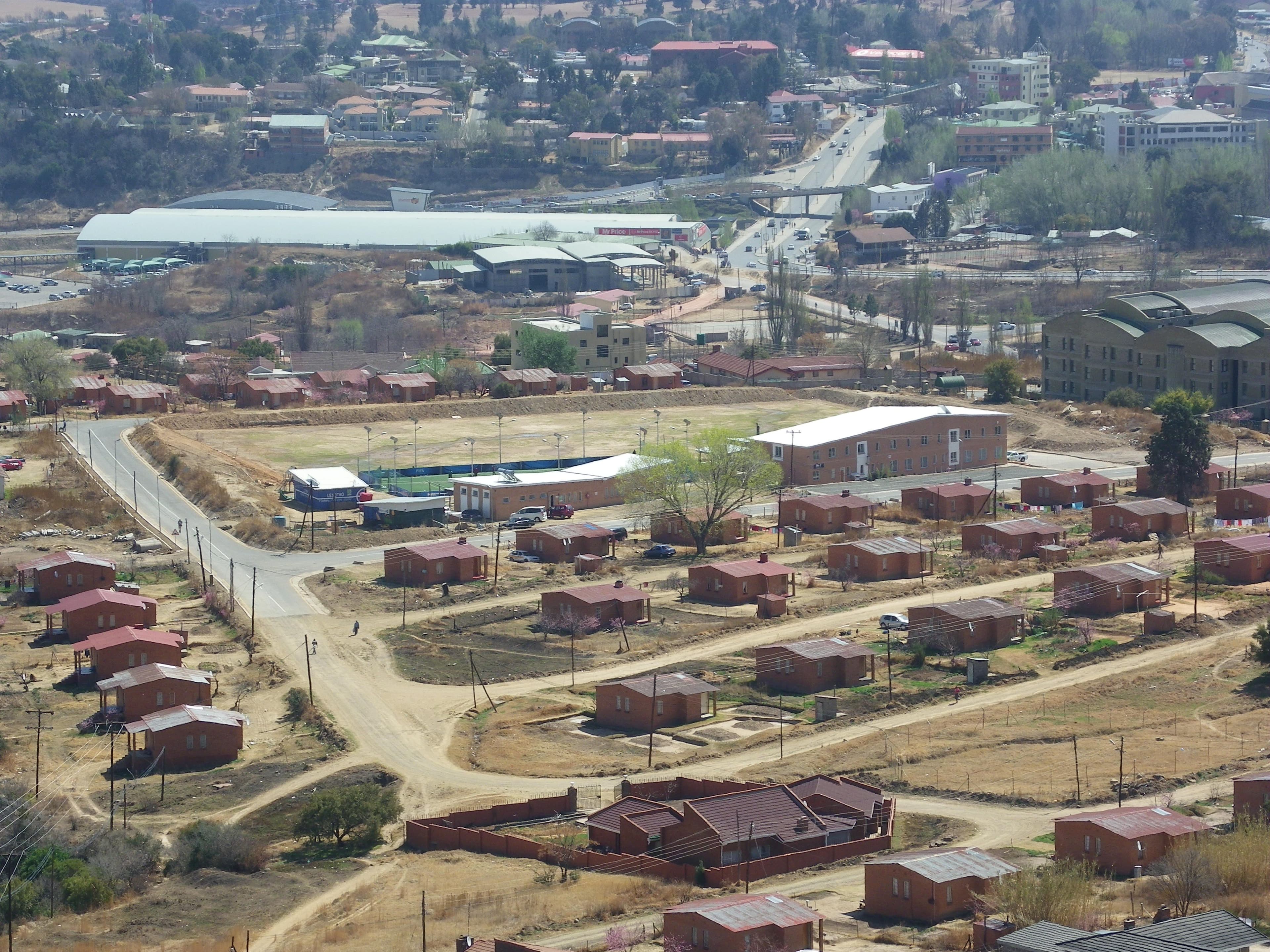
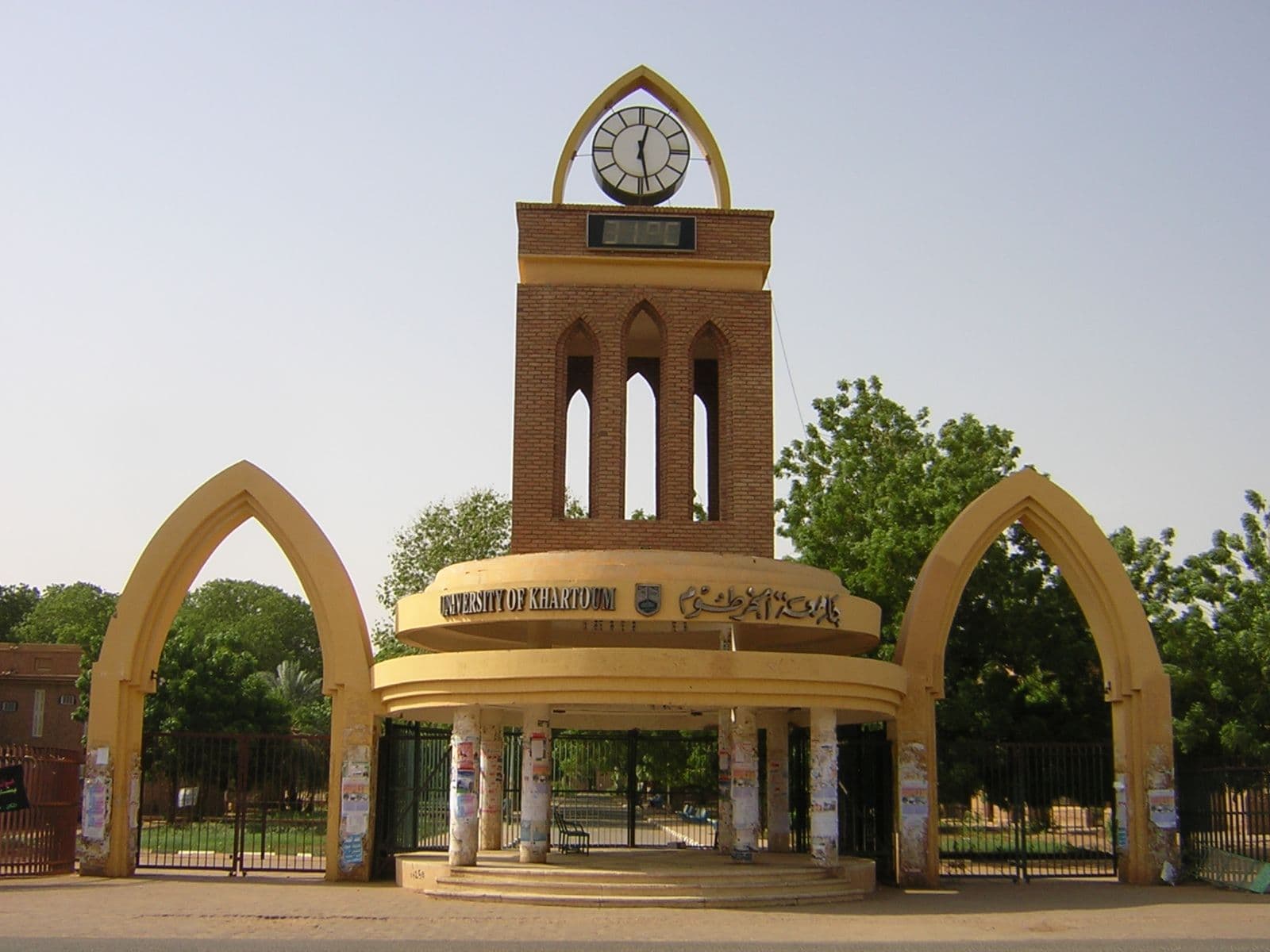
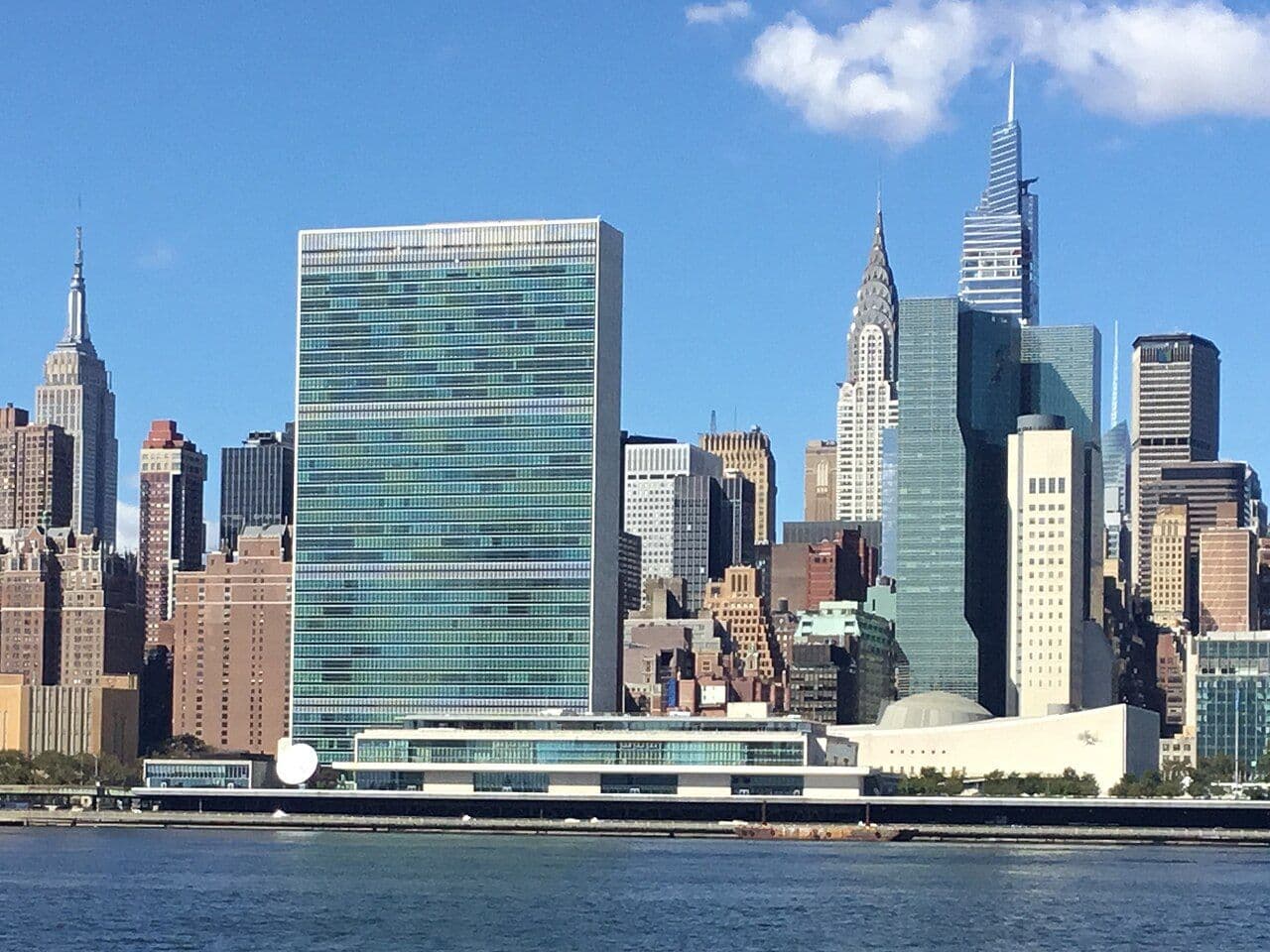
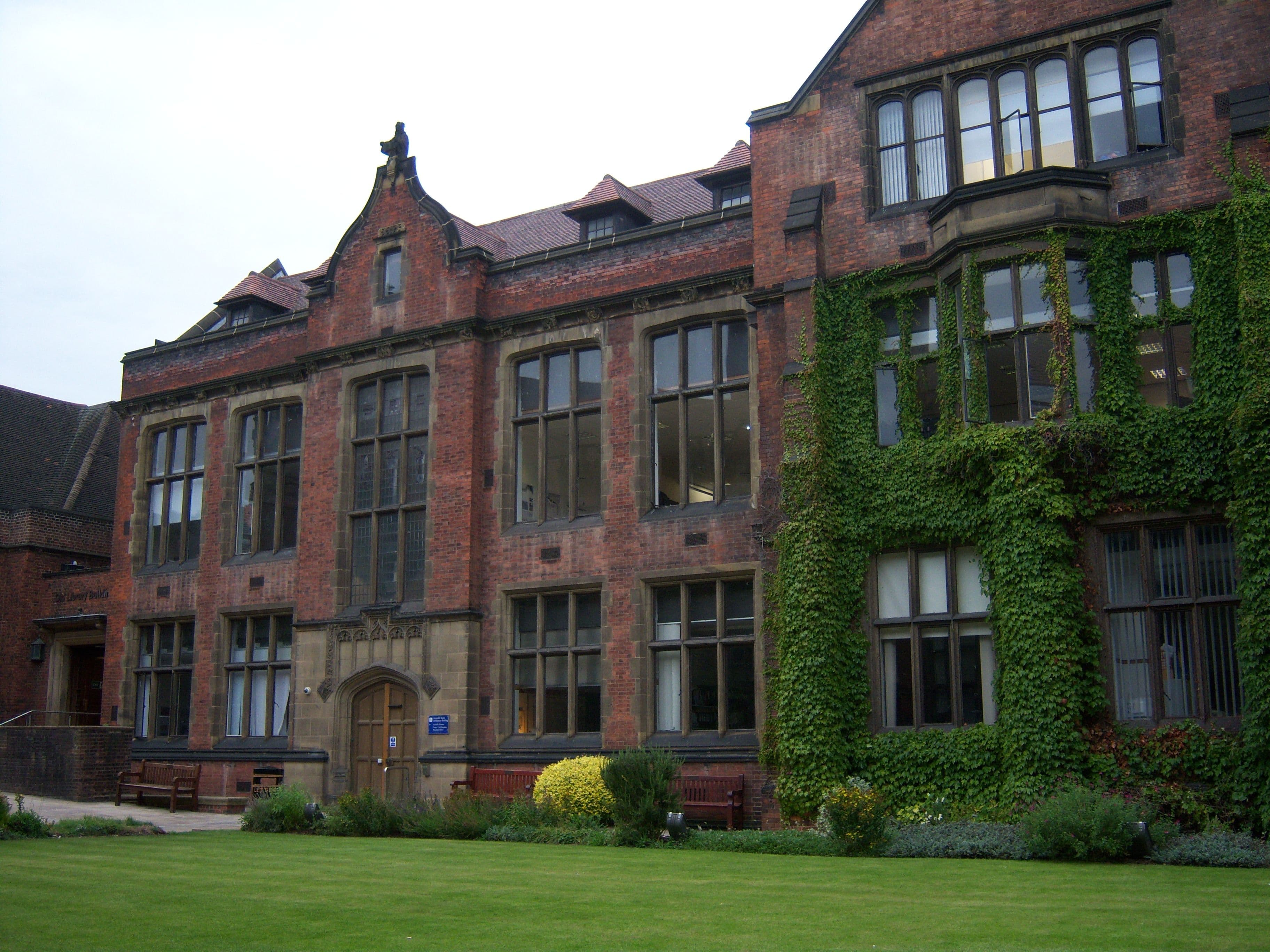
James Lawrence McCloy was born in the UK, in 1941. He attended Bootham School, York, and studied part time at the Leeds School of Architecture from 1958-60, followed by full-time classes from 1961-62. During this period, he gained experience working for the Scarborough-based practice of Edgar Allen, and also that of G. Alan Burnett, in Leeds. He successfully applied to the Architectural Association, London, in 1962, and joined their five-year Diploma course, as part of the Third-Year cohort. He was awarded a Henry Jarvis Travel Scholarship at the end of his Fourth Year, enabling him to travel to Accra, Ghana, where he worked for Kenneth Scott Associates for ten weeks, in the summer vacation, undertaking extensive research on ‘the constructional and economic aspects of systemized buildings in the tropics’. On his return, he elected to join the AA Department of Tropical Architecture for part of his final year’s AA studies, graduating with an AA Diploma in 1965. Shortly afterwards, McCloy appears to have travelled to the Argentine Chaco, near the Paraguayan border, as part of an Anglo-Argentinian planning team, and later published an article detailing the research in the Architects’ Journal. He took his Professional Practice exam externally, within the University of Khartoum, in 1968, and is documented working in the Department of Architecture there the following year. Some time in the 1970s McCloy joined the UK-based architectural and engineering practice Norman and Dawbarn and was contracted to work in their overseas offices in several African countries including Tanzania and Sudan. In 1977, after Norman and Dawbarn in association with Archcon Nigeria were appointed architects for the new University of Sokoto (now Usmanu Danfodiyo University) in northern Nigeria as well as the new technical college in nearby Birnin Kebbi, Norman and Dawbarn seconded McCloy to Archcon’s office in Kaduna where he helped to consolidate the Nigerian arm of the practice. McCloy returned to the UK in 1978 and in 1979 joined the staff of the Architecture Department of the University of Newcastle upon Tyne which was known at the time for progressive, challenging design education that emphasized social responsibility and theoretical debate. During this period he had some involvement with the celebrated South African architect, Jo Noero. In 1981 he was seconded by UNICEF to the Ministry of Education in the Marxist-leaning People’s Republic of Mozambique where he was responsible for converting former mission stations into training centres. This was not an easy task since civil war was raging throughout the country and the scattered mission stations could only be approached by air. Furthermore, Mozambique had no building contractors. In 1985 McCloy moved his family to Lesotho where he set up an office in Maseru practicing as ‘James McCloy Architect (Pty) Ltd’. In 1988 he was contracted by Lesotho’s Ministry of Health to work on hospitals. He records that In 1998 he was working on schools, a college and an orphanage funded by Irish Aid. Works completed in this latter period are well documented and include a set of commissions by the Lesotho Ministry of Tourism, Environment and Culture, notably a series of stone and thatch cottages on Thaba-Chitja Island. Other important work include the multi-million pound project for the Ha-Rapokolana High Altitude Training and Recreation Center, Mohale, combining training facilities, accommodation and administrative offices, for the Ministry of Gender, Youth, Sport and Recreation. Constructed in three phases, from 2003-2023, the Center stands at an altitude of 2400m, making it the highest in South Africa. Amongst his smaller-scale work, the simplicity of the Lesotho Sky Library, Ha-Ramoshaba, in Mafeteng (completed 2015), stands out.
With grateful thanks to Maria McCloy, Leponesa Rantsala and Deidre Waddington
Sources
- Architectural Association Student Register, 1945-71. AA Archives
- Architectural Association, Registrar’s Office student records, 1960-66. AA Archives
- Architectural Association Diploma Roll, 1966. AA Archives
- Architectural Association Membership Register, 1969, 1974
- Low, N., McCloy, J. ‘Portrait of Argentina,’ Architects’ Journal, 150, 42, October 15th, 1969, pp963-970
- RIBA Members Directory, 1994. Royal Institute of British Architects, 1985, pM-213
- Lesotho, a Review of Commerce and Industry, A.C. Braby Ltd, 1992, p5
- Personal communication: Maria McCloy, Leponesa Rantsala and Deidre Waddington, Nov. 2025 – Jan. 2026