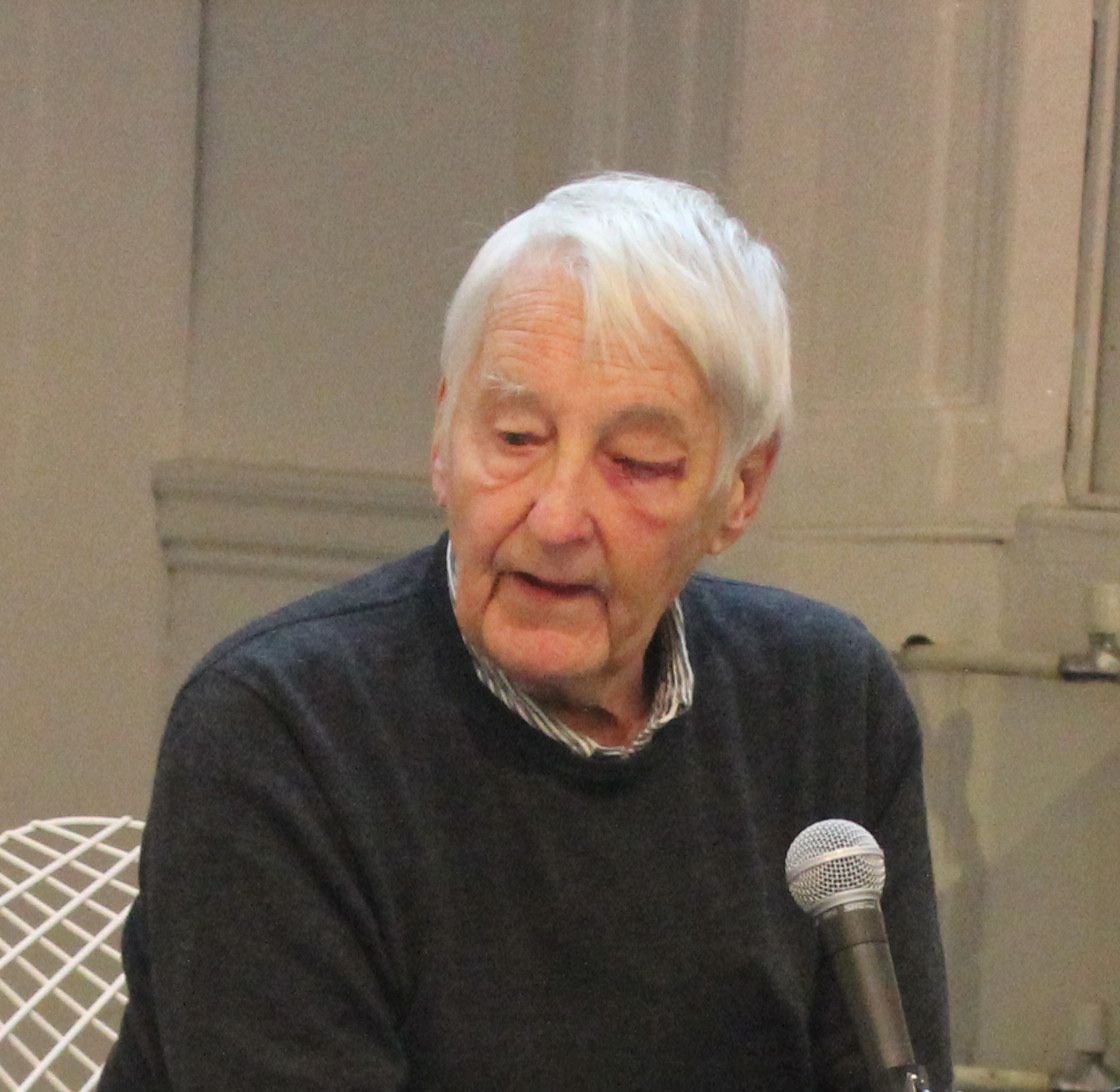
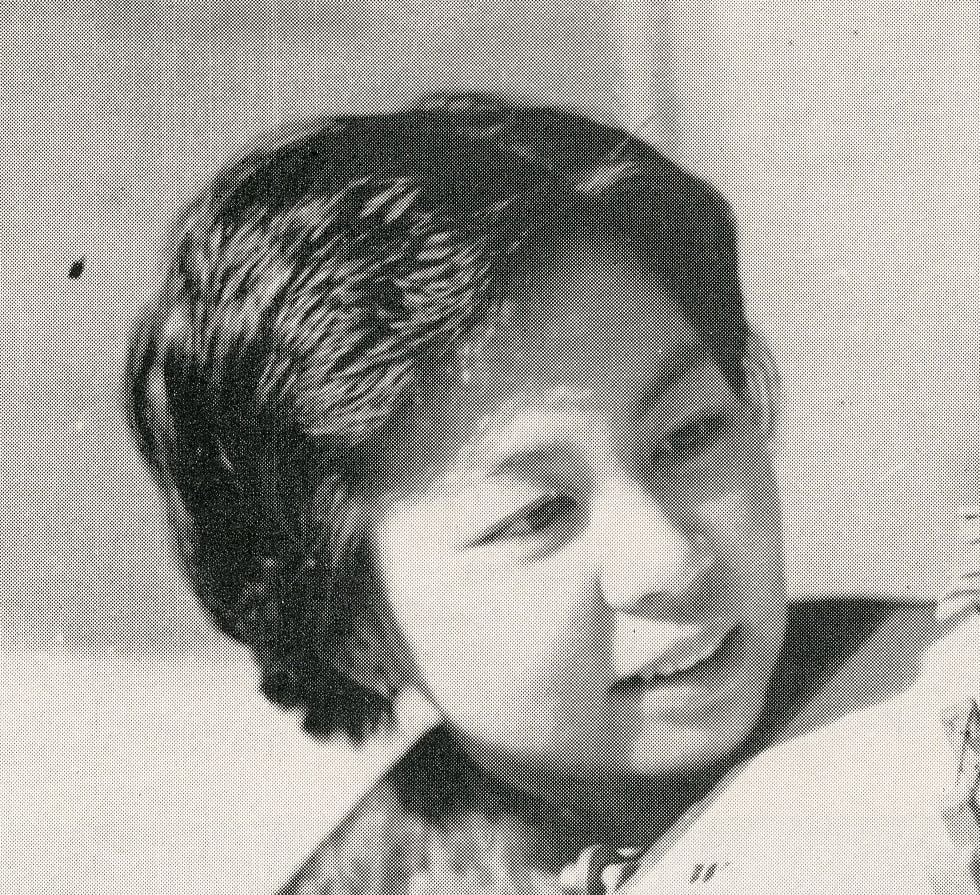
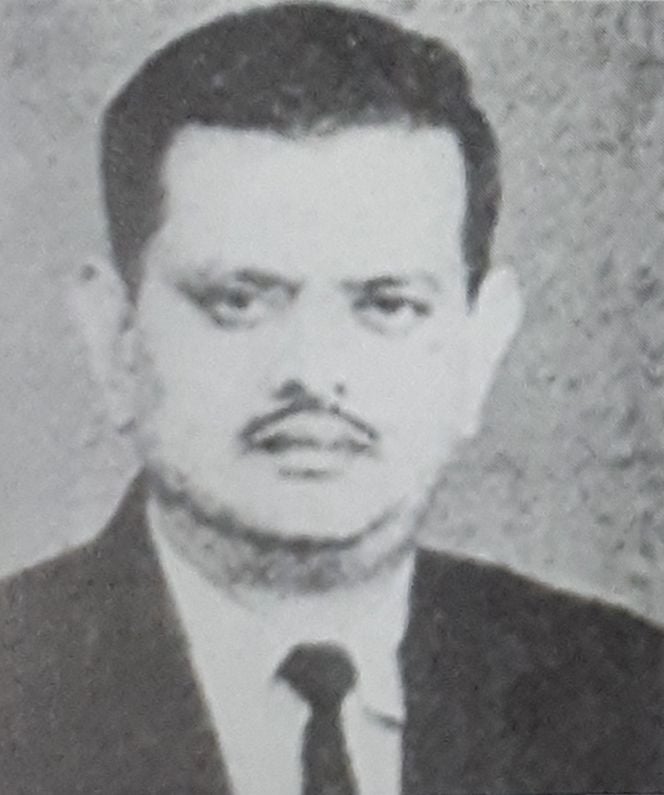
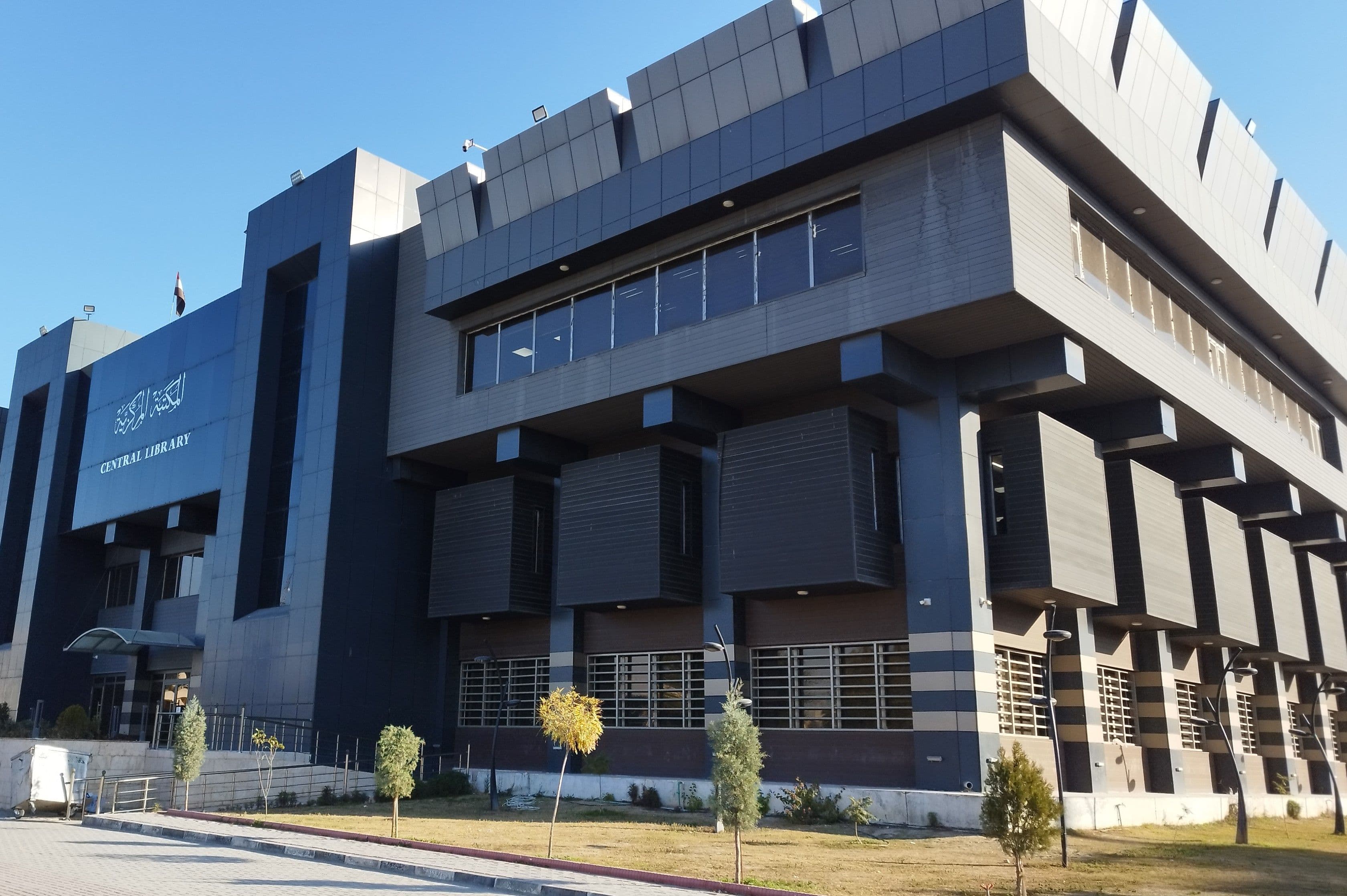
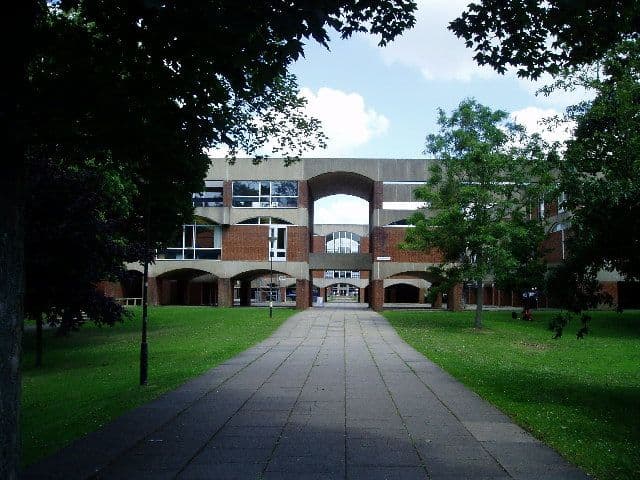
Layth Abdul Nafi Raouf was born on 27 October 1943 in Iraq. He undertook his pre-architecture studies in London, attending Norwood Technical College and the Camberwell School of Arts and Crafts between 1960 and 1962, where he completed A-levels in Art and Mathematics. He entered the Architectural Association (AA) in 1965 and graduated with an AA Diploma in 1968, spending his final year within the Department of Development and Tropical Studies - his final thesis developing a proposing low-rise, high-density courtyard housing in Baghdad. During his studies he gained professional experience with the London practice Cusdin Burden and Howitt, in 1966. After graduating, Raouf returned to Iraq and took up a lectureship in the Department of Architecture at the newly founded University of Mosul, a position he held through the 1970s. His academic work and research centred on housing provision and vernacular architecture in Iraq, particularly the adaptation of traditional forms to modern needs. Raof subsequently returned to the UK for doctoral studies at the University of Sussex, completing his Ph.D. in 1980. His doctoral dissertation, titled “Development and Housing in Iraq,” examined Iraq’s housing policies and urban development in the post-monarchy era. Building on this research, Dr. Raouf became an active voice in architectural and planning discourse in the 1980s. In 1984, he authored a peer-reviewed journal article “Housing in Post-Revolutionary Iraq” in the International Journal of Urban and Regional Research. Raouf settled in the UK with his family and, in 2003, founded Layth Raouf Associates, through which he acted as planning agent for private residential projects, including the conversion of a listed townhouse in Brighton in 2012–2013. His career has combined academic teaching, architectural design, and consultancy, with a sustained interest in housing and urban development in Iraq.
Sources:
- Architectural Association Archives. “Raouf, Layth Abdul Nafi.” Architectural Association Student Register 1945–1972.
- Architectural Association Archives. “Layth Abdul Nafi Raouf: Student File 1965–1969 (Admission, Reports, Diploma Confirmation).”
- Brighton & Hove City Council. “Planning Committee Report: 43 Russell Square, Brighton, BH2012/04035.” Accessed September 7, 2025. Companies House UK. “Layth Abdul Nafi Raouf: Director Profile and Company Records.” Accessed July 3, 2025. https://publicaccess.brighton-hove.gov.uk/online-applications/
- Raouf, Layth A. N. “Housing in Post-Revolutionary Iraq.” International Journal of Urban and Regional Research 8, no. 3 (1984): 311–325. https://doi.org/10.1111/j.1468-2427.1984.tb00614.x
- Raouf, Layth A. N. “Tradition and Continuity in the Modern Iraqi House.” Ur: The International Magazine of Arab Culture, no. 1 (1985): 15–24.
- Raouf, Layth A. N. Development and Housing in Iraq. PhD diss., University of Sussex, 1980.