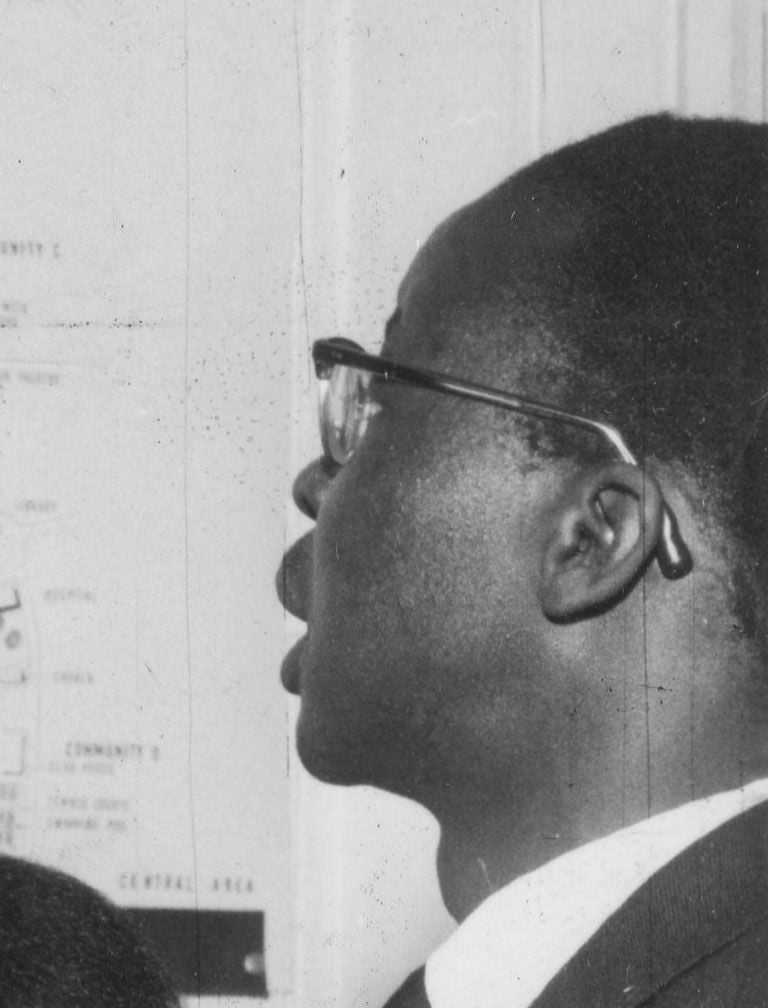
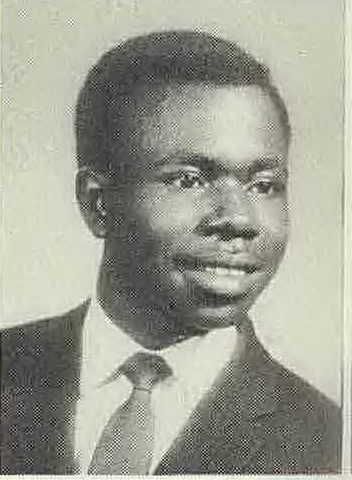
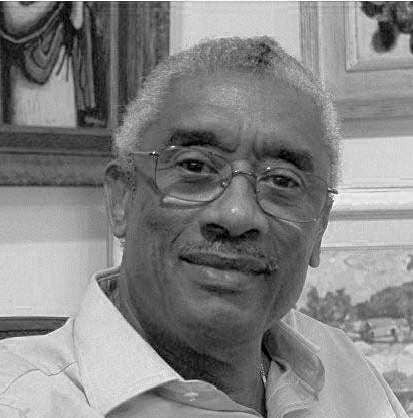
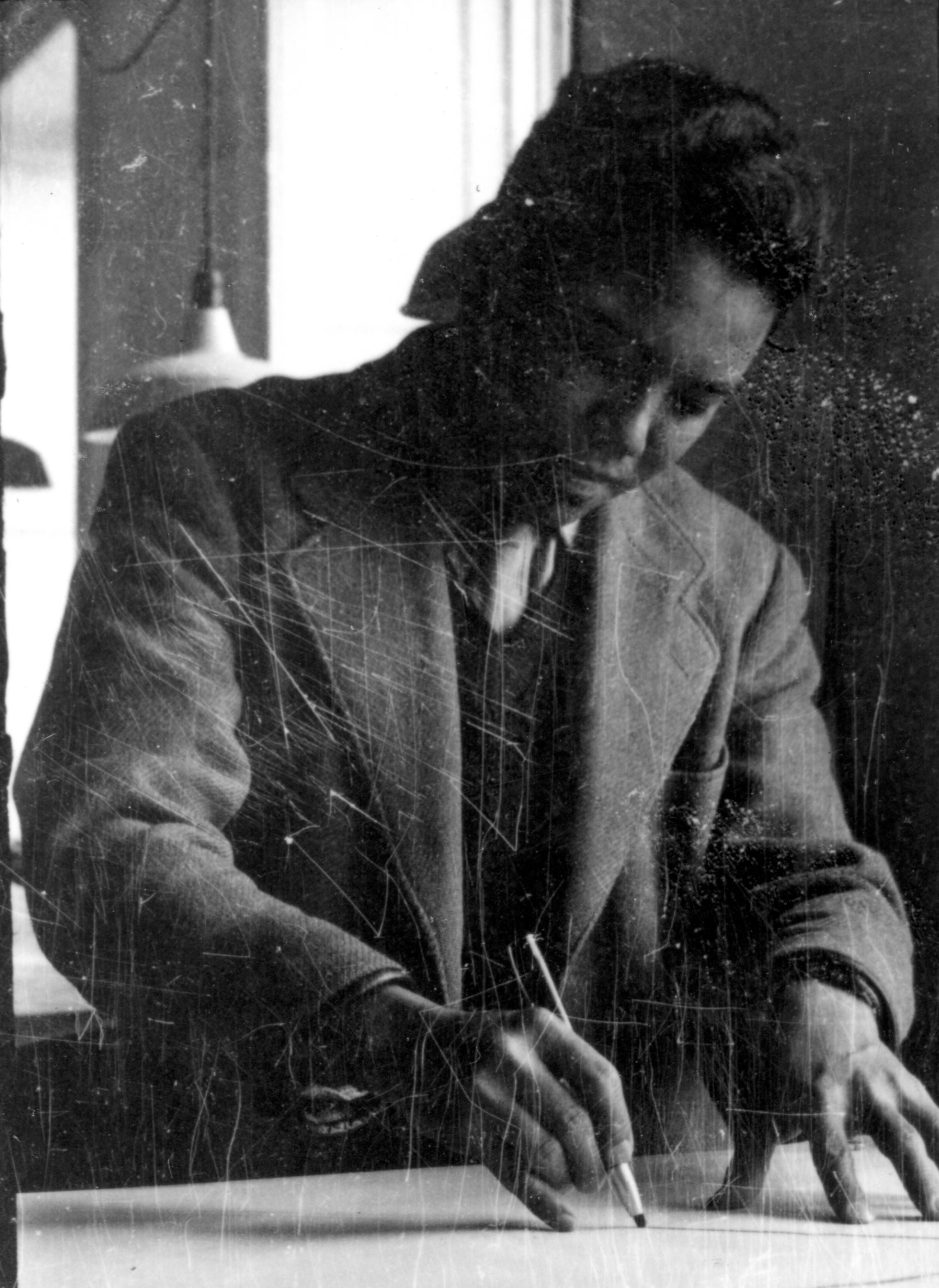
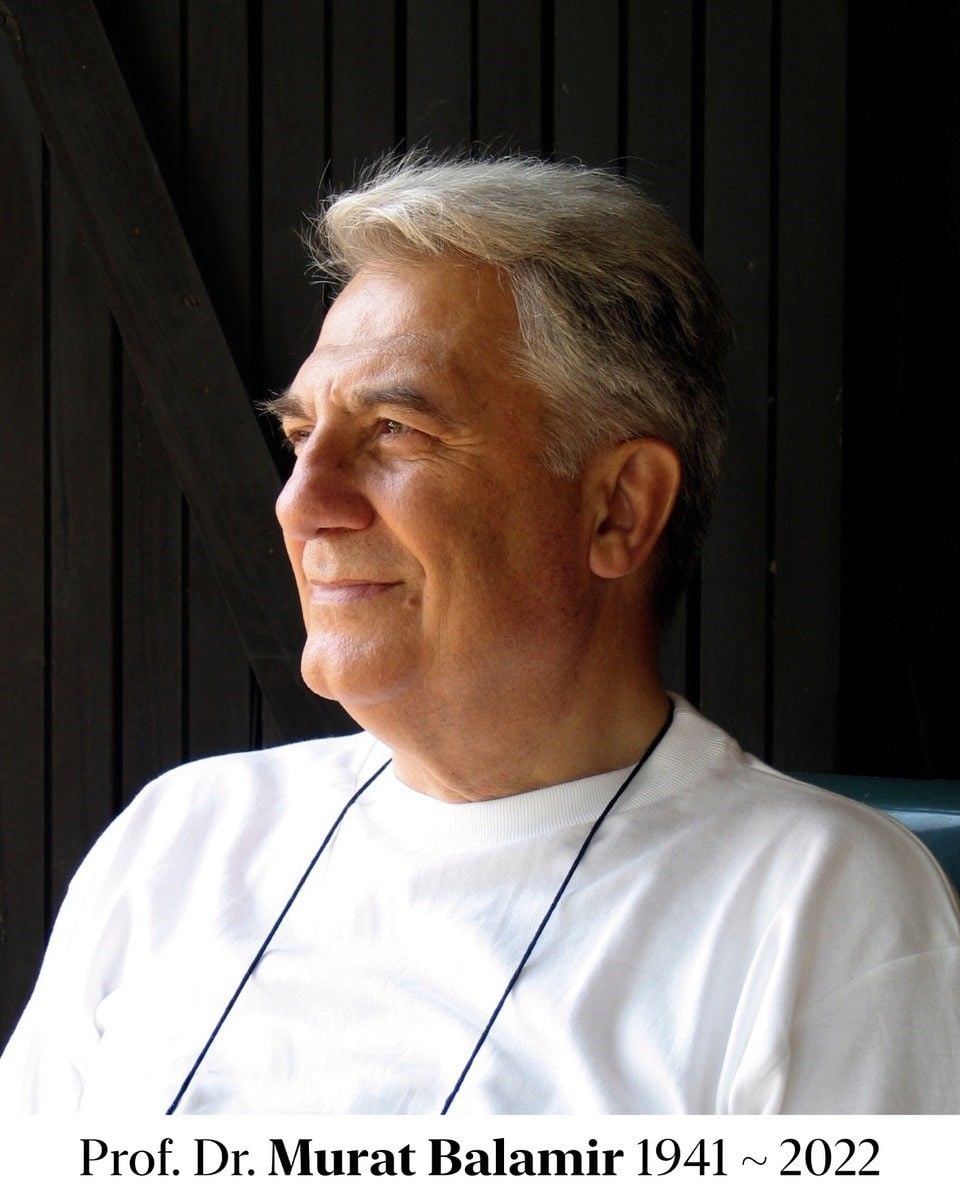
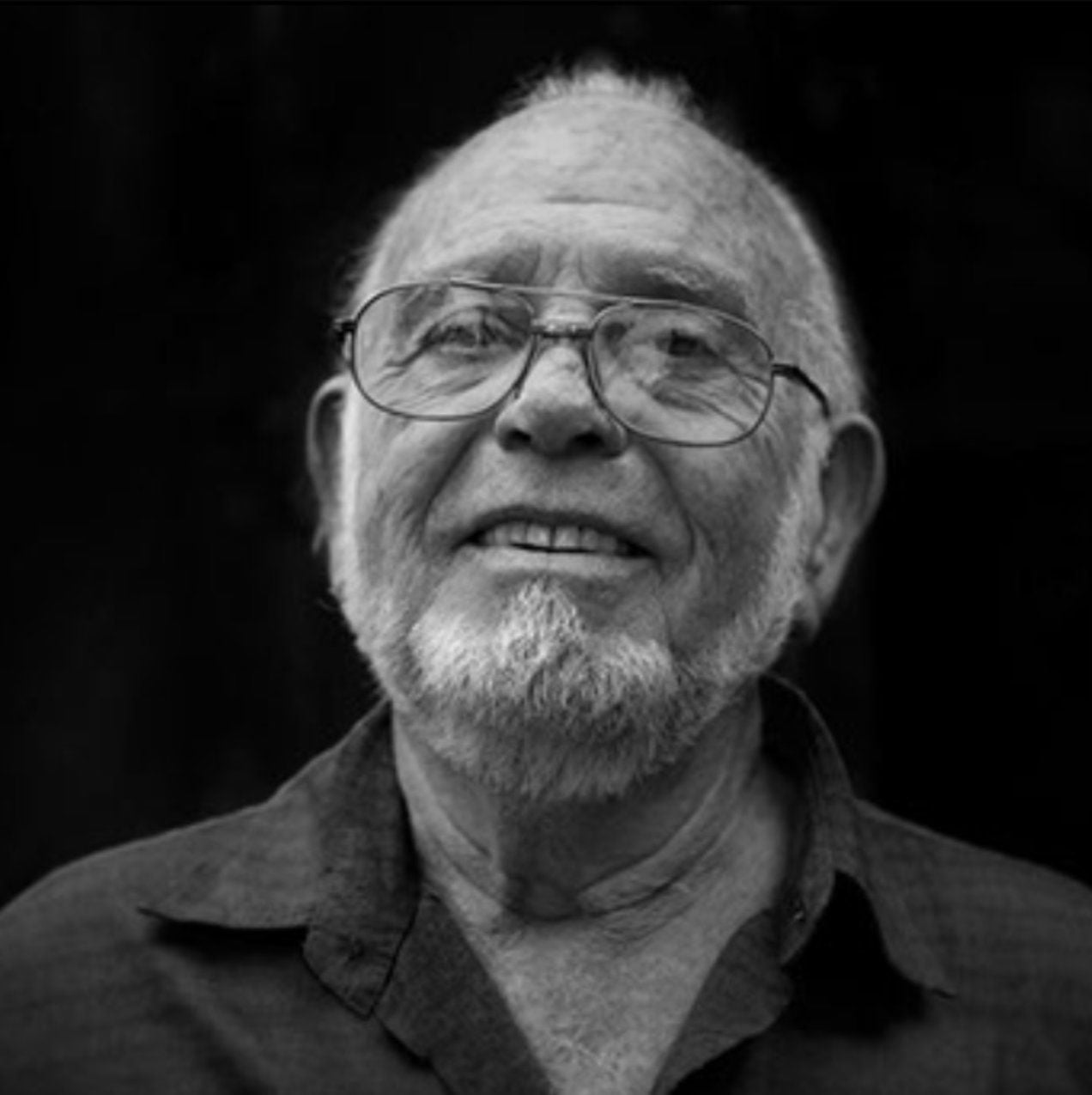
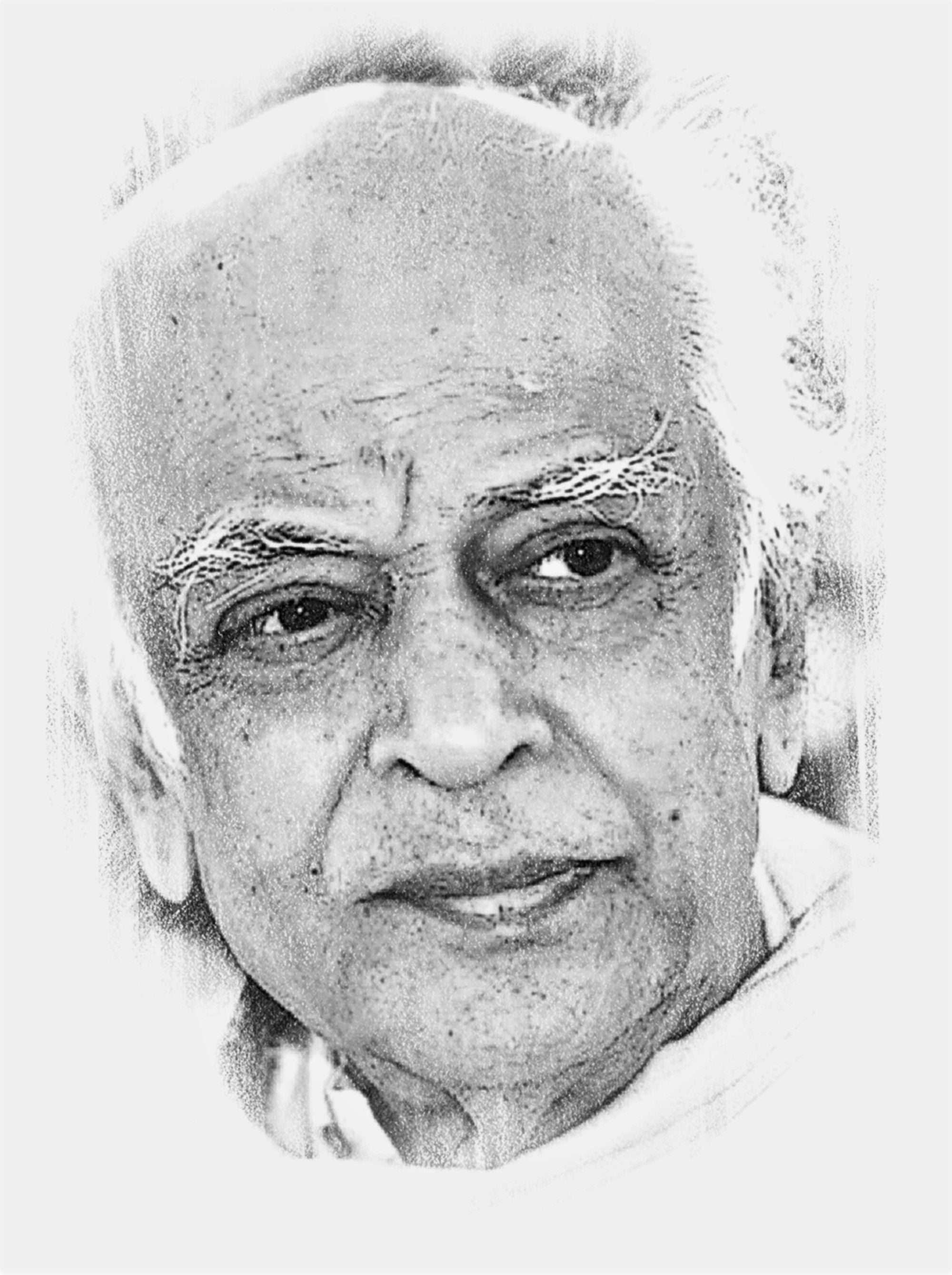
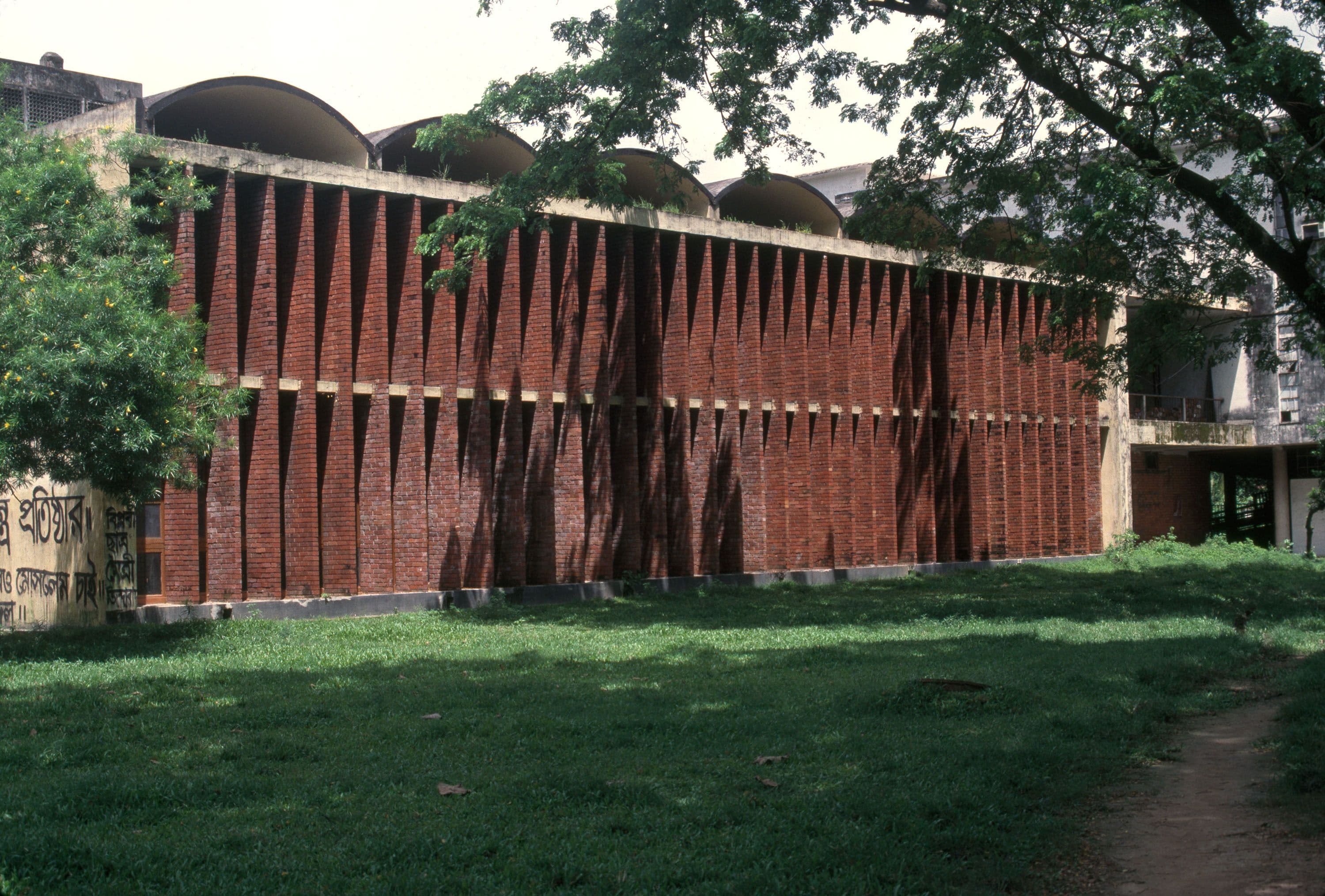
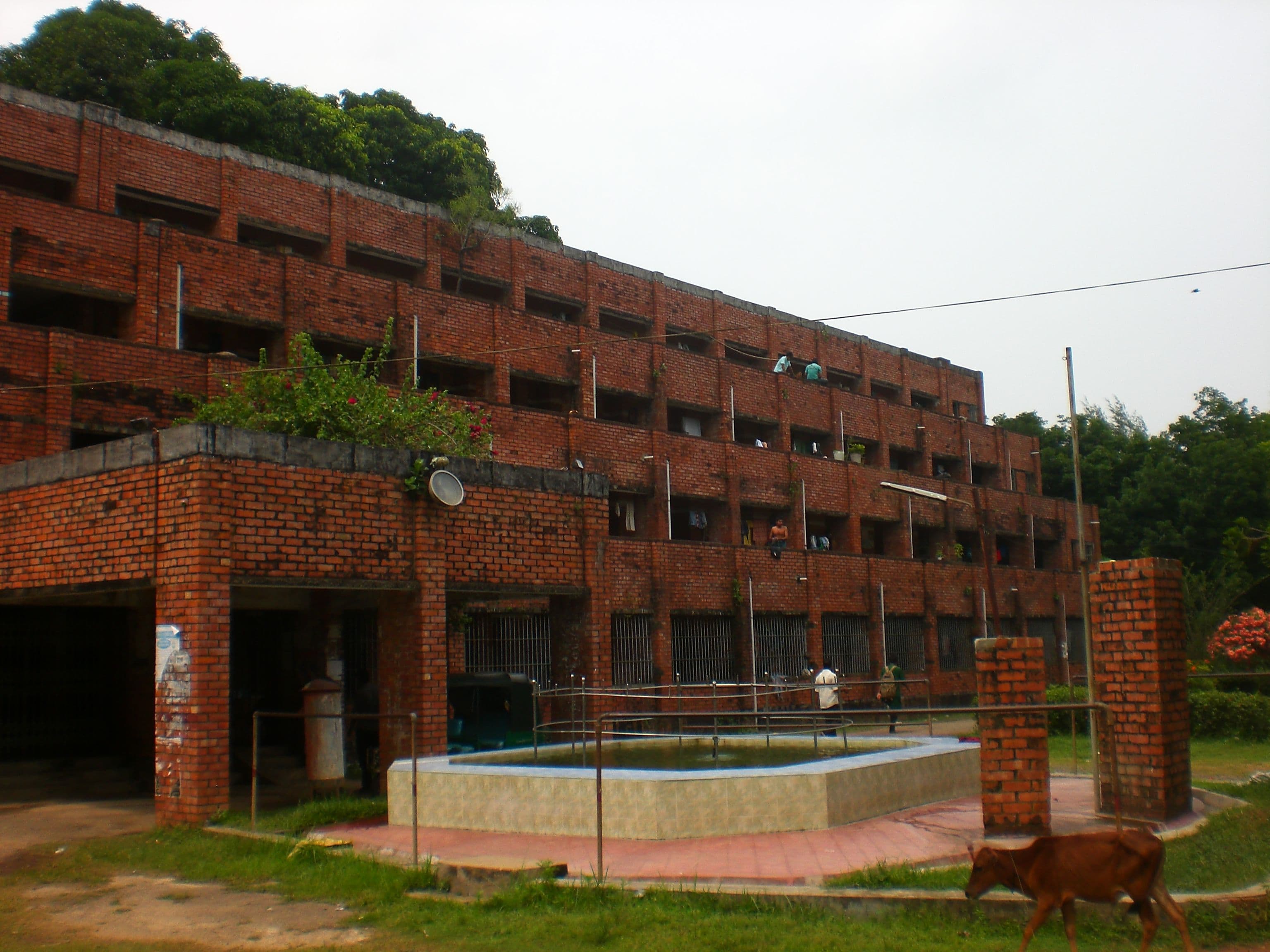
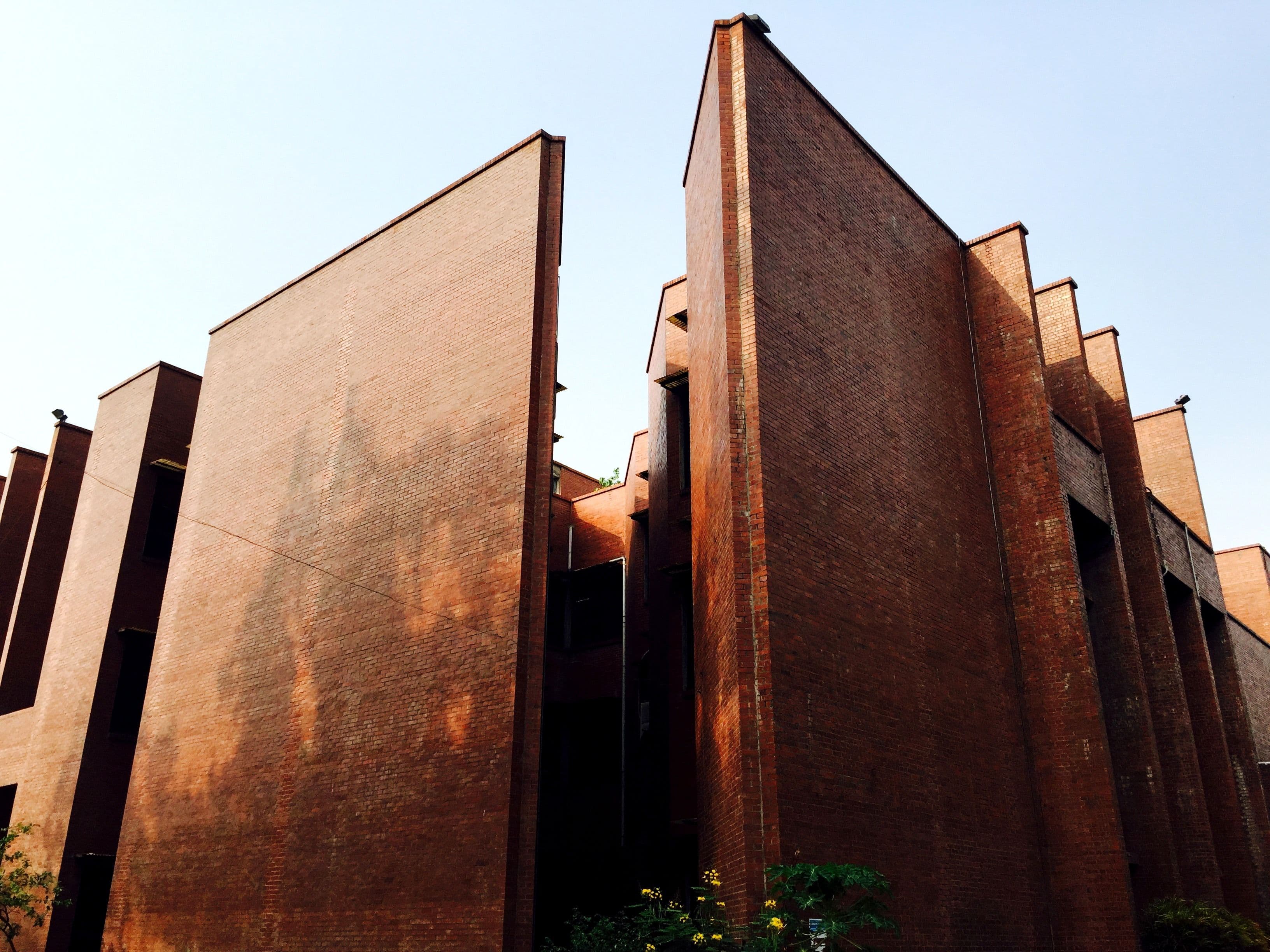
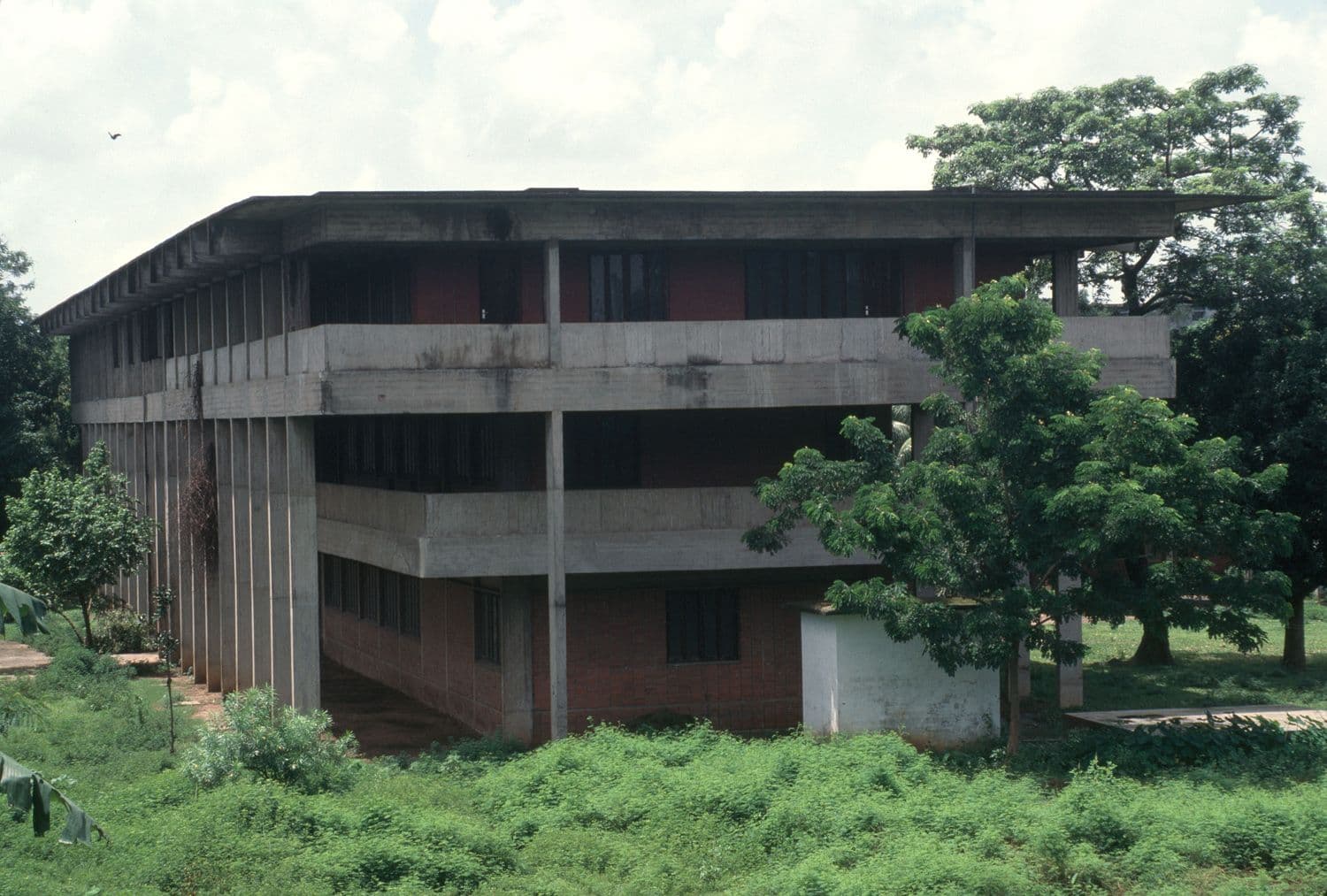
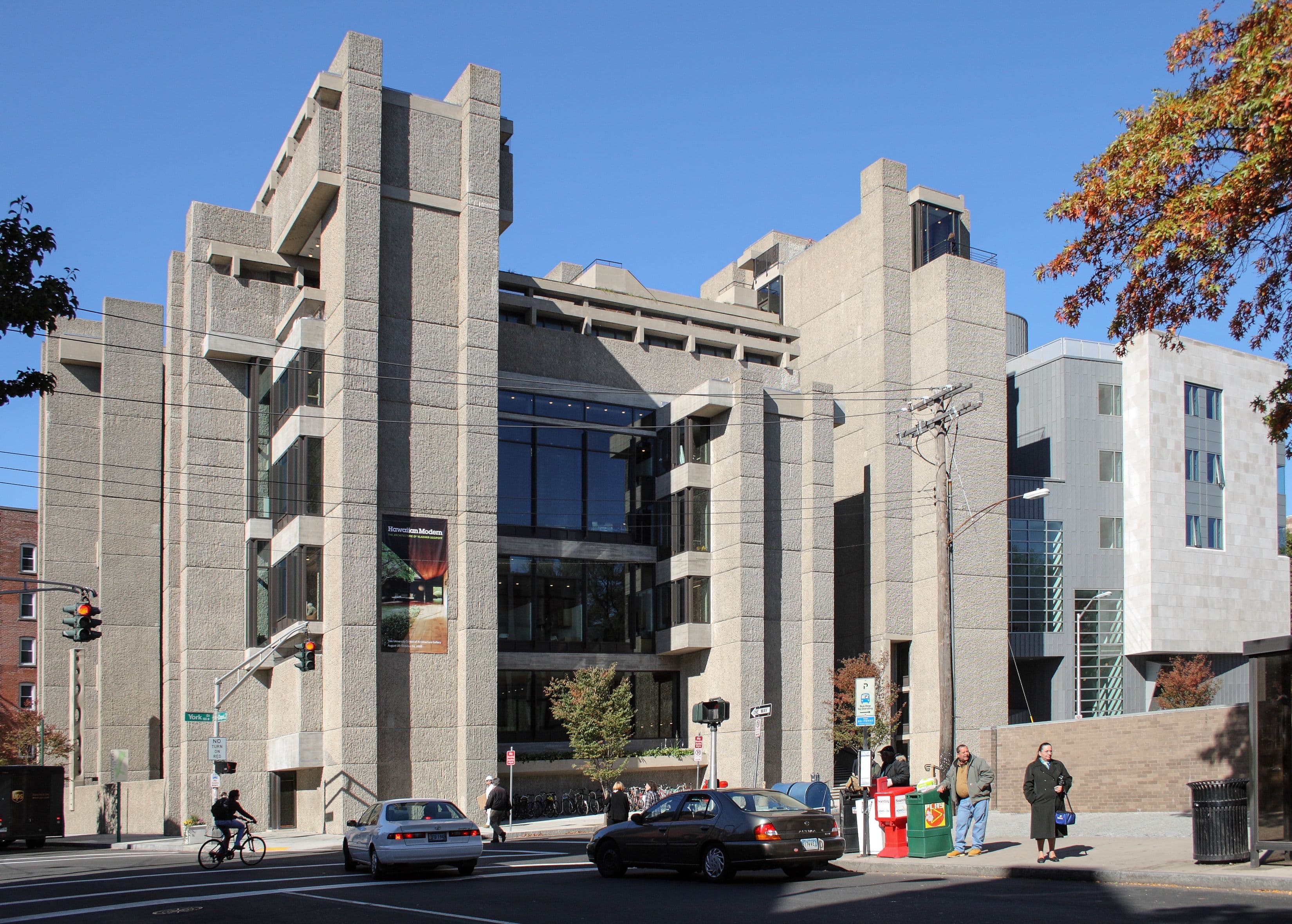
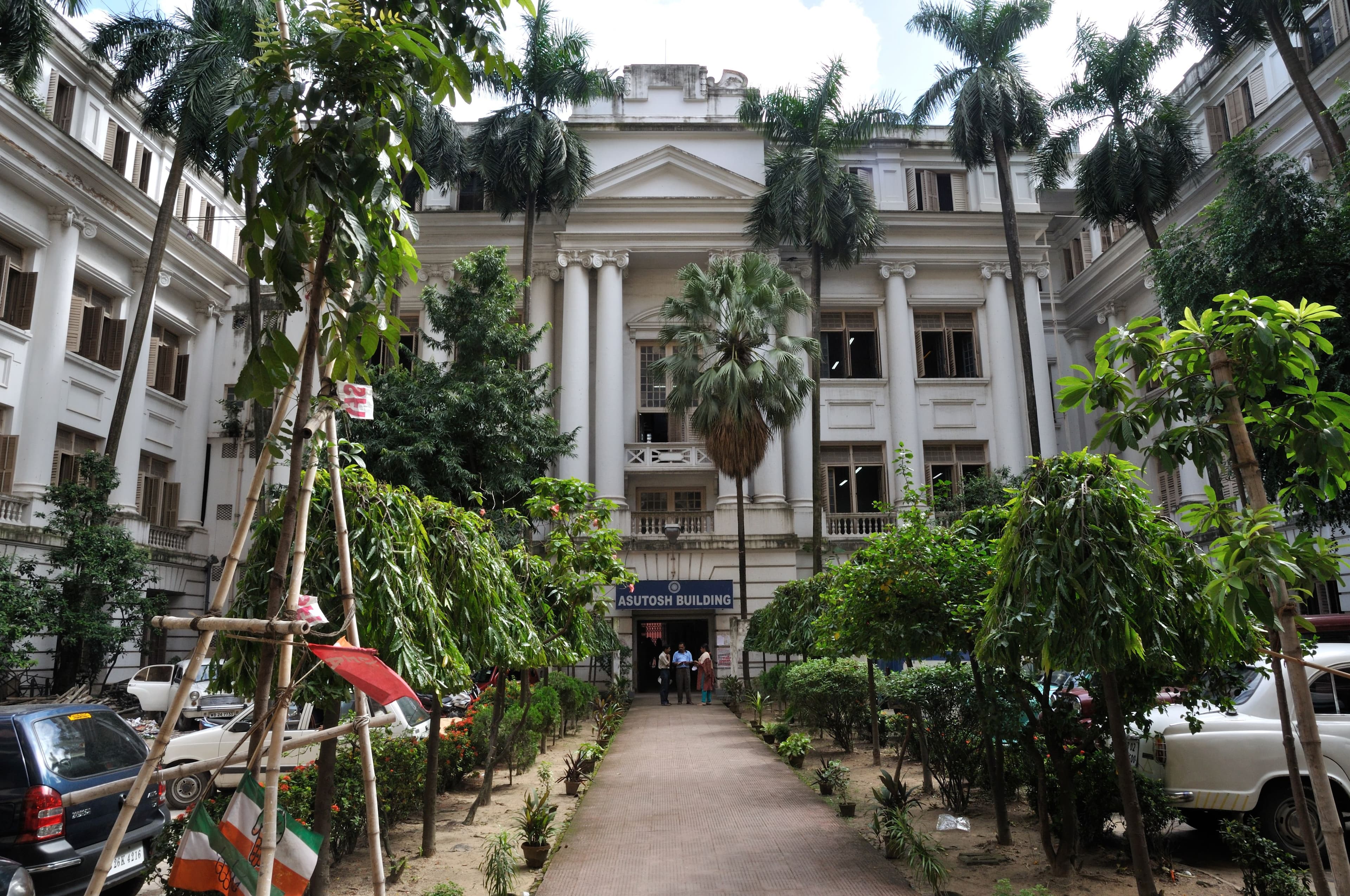
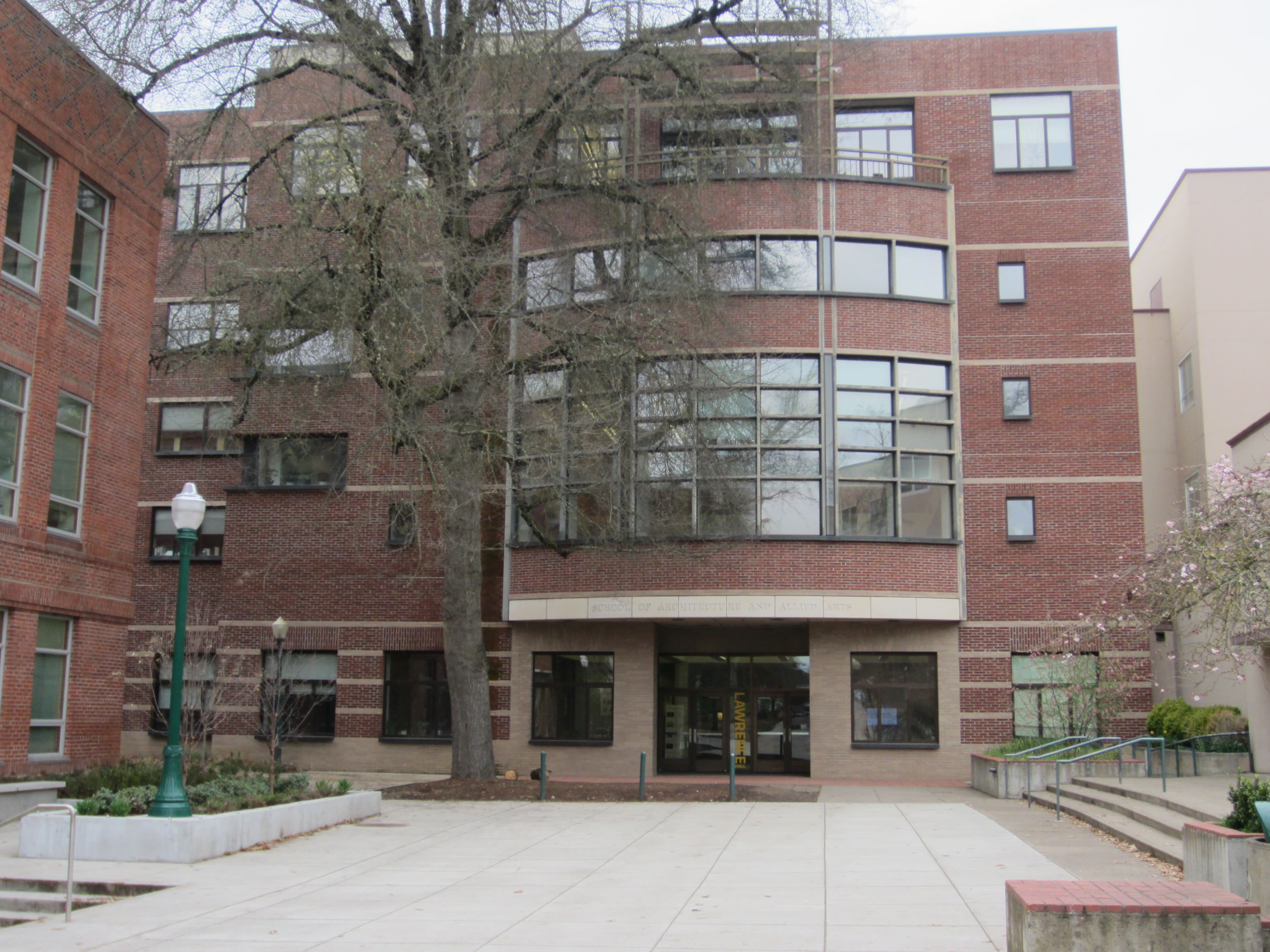
Muzharuk Islam was born in Murshidibad, West Bengal, in 1923 and attended the University of Calcutta, where he obtained a Bachelor of Science in 1942, followed by an Engineering degree at the University’s Engineering College at Shibpur (1943-1946). In 1950 he was then awarded a postwar development scholarship from the East Pakistan government to attend the University of Oregon, where he received his Bachelor of Architecture in 1952, the five-year undergraduate course being completed in two years due to credit given to his earlier qualifications. After graduation, he returned to East Pakistan and took up the post of Assistant Engineer at the Communication, Buildings and Irrigation Department (CBI), there being no existing officially designated posts for ‘Architect’ within East Pakistan government at that time. His first commission was for a new building for the Faculty of Fine Arts in Shahbagh, Dhaka. Designed between June to December 1953, with assistance from artists Zainul Abedin and Quamrul Hassan, this remarkable building represented a radical break from the prevailing styles utilised for civic architecture and, together with Islam’s Central Library, for the University of Dhaka (1953-1955), served to introduce modernist forms to East Pakistan. In these early years of his career. With these two major buildings already under his belt, Islam won a British Council scholarship and enrolled as a post-graduate student on the Architectural Association’s 6-month Department of Tropical Architecture course in September 1956. Further studies followed in 1960-61, when he undertook a Masters degree in Architecture at Yale, making friends with Stanley Tigerman, whom he was subsequently to invite to work with on five polytechnic institutes in East Pakistan in the 1960s. Indeed, Islam also played in important role in bringing Louis Kahn and Paul Rudolph to Dhaka to design, respectively, the National Assembly and the masterplan for the agricultural university in Mymensingh. Islam was to become probably the most celebrated architect in East Pakistan and Bangladesh, working for the CBI until then 1964 and then in private practice until the mid 1990s, his work encompassing large-scale projects such as government institutions, universities and housing projects to small, private residences. Throughout his career, his buildings and writings expressed a deep-seated commitment to societal change in Bangladesh and concerns for environmental and urban issues. Amongst his most significant works are the National Institute of Public Administration in Dhaka (1964-69), the masterplan, Science and Humanities buildings, residences and Administrative block for Chittagong University (1965-71), and the National Library and Archives, Dhaka (1980-84). In parallel to his practice, Islam also engaged closely with architectural education in Bangladesh, acting as a jury member from 1962 until the 1990s at the Bangladesh University of Engineering and Technology (BUET), in Dhaka. Islam was also a member of the Master Jury for the first Aga Khan Award (1980) and was elected President of the Institute of Architects of Pakistan in 1968-69. He was to serve two further terms, in the 1970s, as President of the Institute of Architects of Bangladesh. In 1999 he was awarded the Independence Day Medal, the highest honour conferrable by the Bangladesh government. The Muzharul Archive is now located at University of Asia Pacific, Dhaka.
Sources
- Architectural Association Student Register 1945-1972, AA Archives
- Department of Tropical Architecture, student listing, Otto Koenigsberger Collection, Box OK27, AA Archives
- Architectural Association Membership List, 1961
- Morshed, A. ‘Modernism as Postnationalist Politics: Muzharul Islam’s Faculty of Fine Arts (1953-56)’ Journal of the Society of Architectural Historians, December 2017, 76 (4), pp532-549
- Ashraf, K.K. (ed), An Architect in Bangladesh: Conversations with Muzharul Islam (Dhaka: Loka Press, 2014)