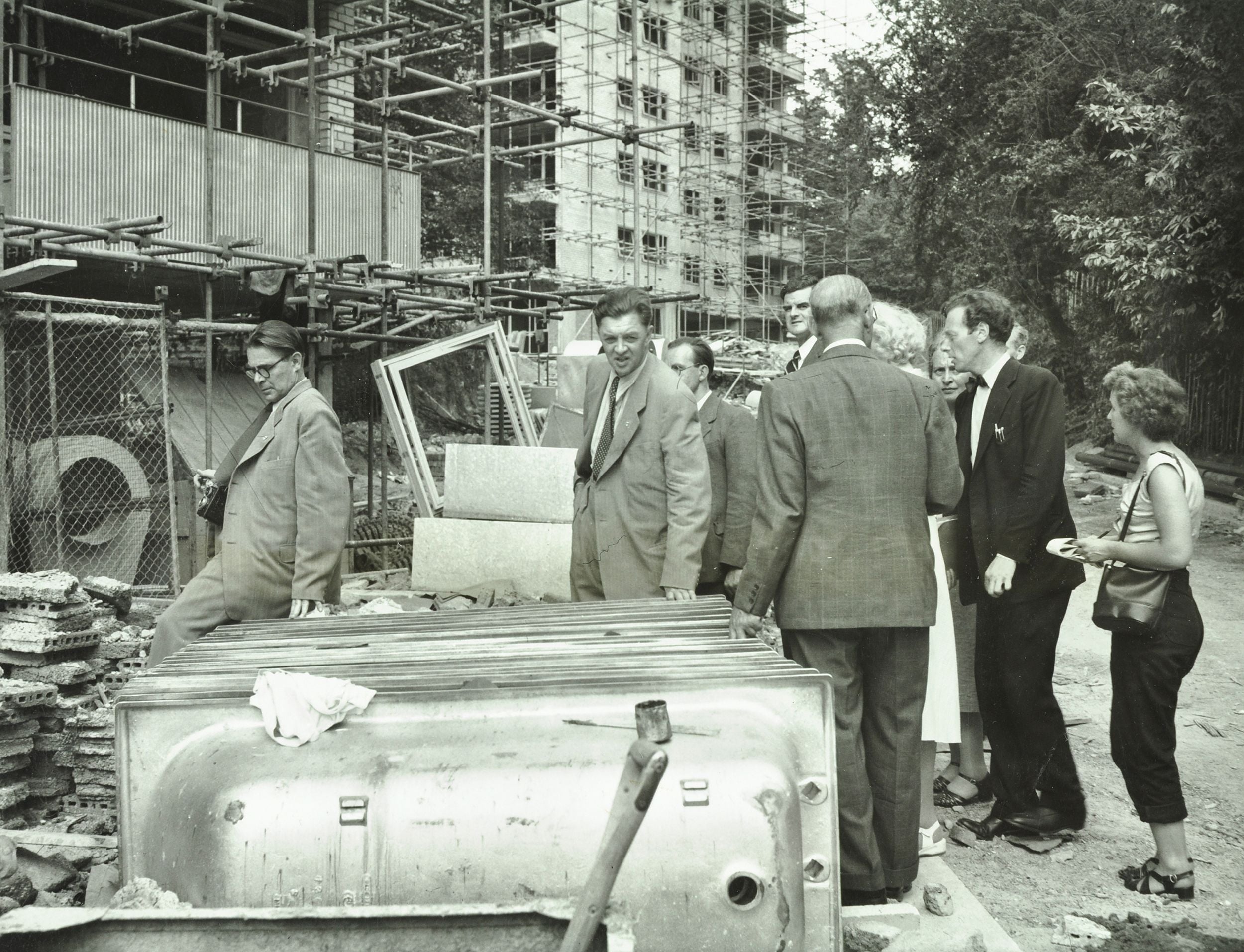
In the aftermath of the disbandment of the London County Council (LCC) in 1965, much of its architectural legacy dissolved into the city’s fabric, often overlooked and occasionally demolished. Yet the LCC’s Architects’ Department once produced some of the most ambitious and experimental public works of the 20th century: schools that redefined collective learning, civic buildings that embodied shared values and an architecture rooted in political will.
We will begin by revisiting these projects not as relics, but as provocations. What remains of the LCC’s vision today and where has it been distorted, dismantled or quietly erased? What lessons might be recovered or reimagined amid today’s cost of living crisis and questions of architectural agency? As LCC buildings face privatisation, demolition or gentrification, we will treat them as sites of contestation and imagination. As ever, our sites will criss-cross the globe, using LCC as a stepping stone to connect contexts that shared similar fates. Students will unearth the narratives of resistance, ambition and care embedded in these projects, and use them to construct new architectural propositions.
We will review our relationship to the word public, claimed by architects, planners and politicians alike and often deployed as a catch-all. Broad and imprecise, it can obscure as much as it reveals, masking the exclusions embedded within its promises. It can unite or divide, be generous or weaponised, or be emptied of meaning through repetition. We will interrogate what public really means, and for whom it is intended.
Our approach will be curious, sceptical and at times oppositional. We will shift between scales and timescales, tracing the forces that shaped these projects and those that threaten them today. Outcomes might take the form of artefacts, legislative frameworks, participatory forums or spatial interventions – each open-ended enough to invite future occupation. Proposals will be developed as critical tools and the means of representation will be defined by each project, meticulously honed and progressed through iteration. This is not a history project; it’s a live autopsy. This is not conservation; it’s reinvention.
 UNDO
UNDO Two Sides of the Same Coin
 Upon Diluvial Order
 Mirror
 Business as Usual?
 Pressure Under Dust
 No Thing
 The Big Here and the Long Now
 True
True Earth Lab: Groundbreaking
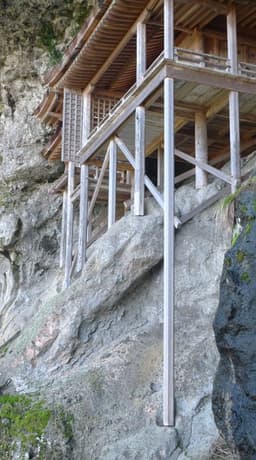 The Nature of Architecture
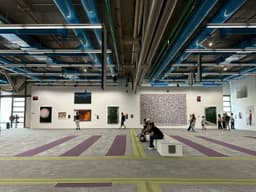 Cultural Capital: Pipes, Plazas and Publics
 Displace / Replace / Emplace
 Shifting Landscapes: Coexistence
 Don’t Look Back in Anger
 Golden Blue
 Fragments to Frameworks: Spatial Prototypes for Emerging Thought