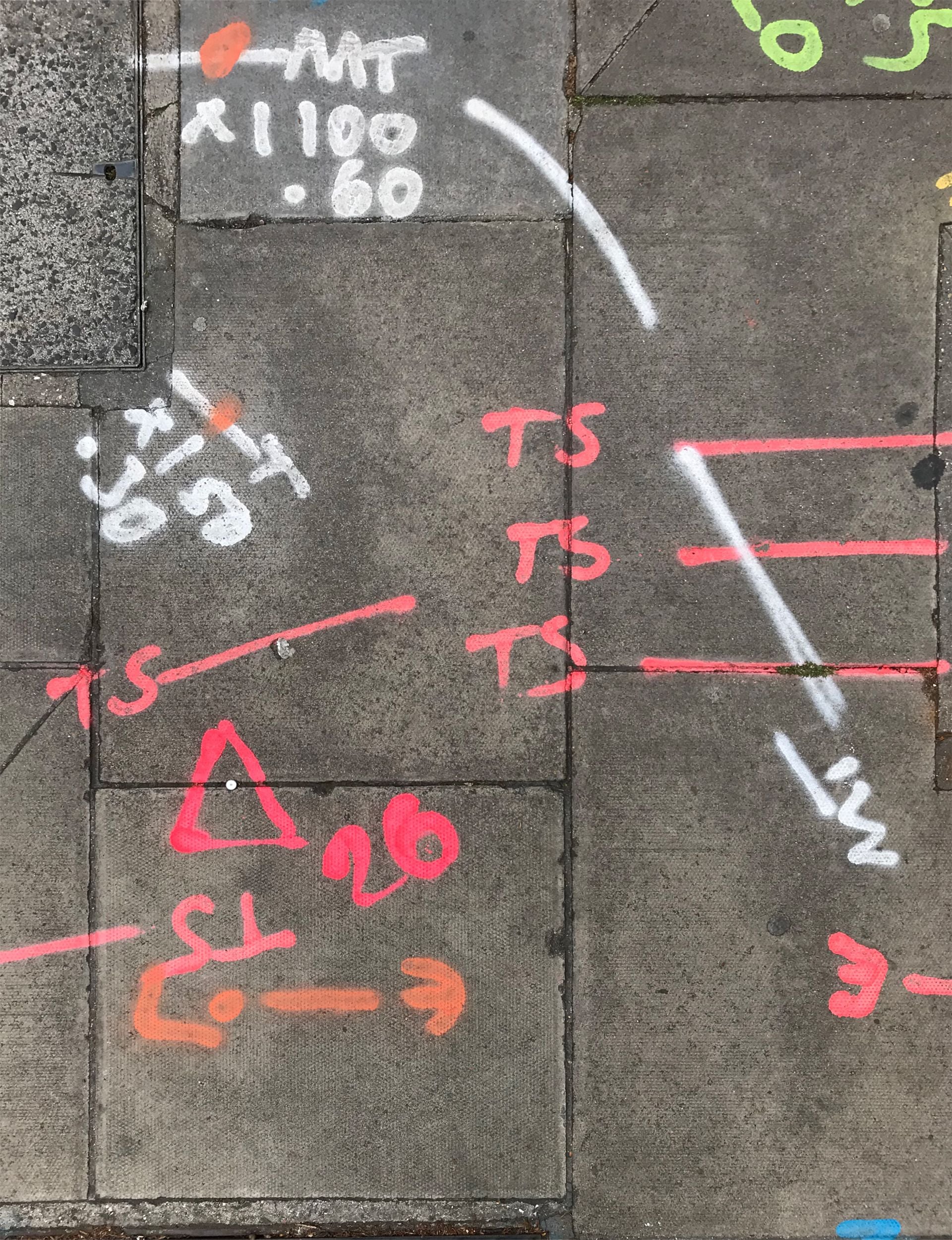
Architecture has long had a thing for things. It has aligned itself with permanence, taken comfort in resolution and found sanctuary in enclosure: its edges drawn tight, its intentions legible. In this reading of Architecture, its master – the Architect – is the maker of objects, the author of certainties. But what happens when we loosen our grip? When we refuse the resolution of the line? What happens when we shift from projection to observation? From mastery to receptivity? From making to noticing? Can we imagine an architecture of no thing?
This year, INTER8 will linger in the potential of no thing. No thing as a shift in attention; an invitation to look beyond the object. No thing as a space of possibility; a gentle refusal to resolve, a commitment to work with time and its world of movement, contingency and interdependence. No thing as a method for the Anthropocene; an embrace of the latent, unnoticed, entangled systems that abound.
We will organise the year in three chapters. The first, ‘Unlearning the Object’, will begin with a domestic infrastructure. Students will produce conventional architectural drawings, before revisiting the same subject to ask: what else can be drawn? We will observe spatial and environmental conditions, trace material and sociocultural genealogies, and explore what happens when form is read relationally. In our second chapter, ‘Attending to Conditions’, we move outward from domestic infrastructure to the street, the borough and ultimately the city. Students will follow relational lines, encountering the overlapping systems, infrastructures and ecologies implicit in any single space. In our final chapter, ‘The Language of the In-Between’, students will synthesise their observations into spatial proposals that resist enclosure: part public, part private; part in, part out; part human, part other-than-human.
Our influences span philosophy, ecology, feminism and fiction, all of which will support us in rethinking what counts as architecture and why. Our tools will include the survey, the drawing, the fragment and the story. Our architecture will be no single thing, for no single client, on no singular ground; it will be a dense, responsive and entangled field of relations.
 UNDO
UNDO Two Sides of the Same Coin
 Upon Diluvial Order
 Mirror
 Business as Usual?
 Pressure Under Dust
 No Thing
 The Big Here and the Long Now
 True
True Earth Lab: Groundbreaking
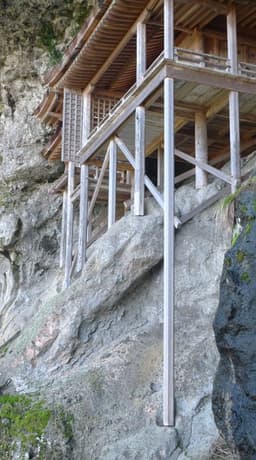 The Nature of Architecture
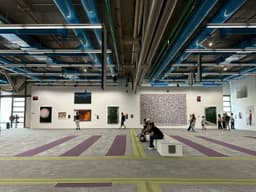 Cultural Capital: Pipes, Plazas and Publics
 Displace / Replace / Emplace
 Shifting Landscapes: Coexistence
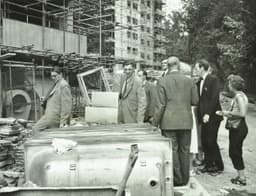 Don’t Look Back in Anger
 Golden Blue
 Fragments to Frameworks: Spatial Prototypes for Emerging Thought