Diploma Programme
Diploma Programme
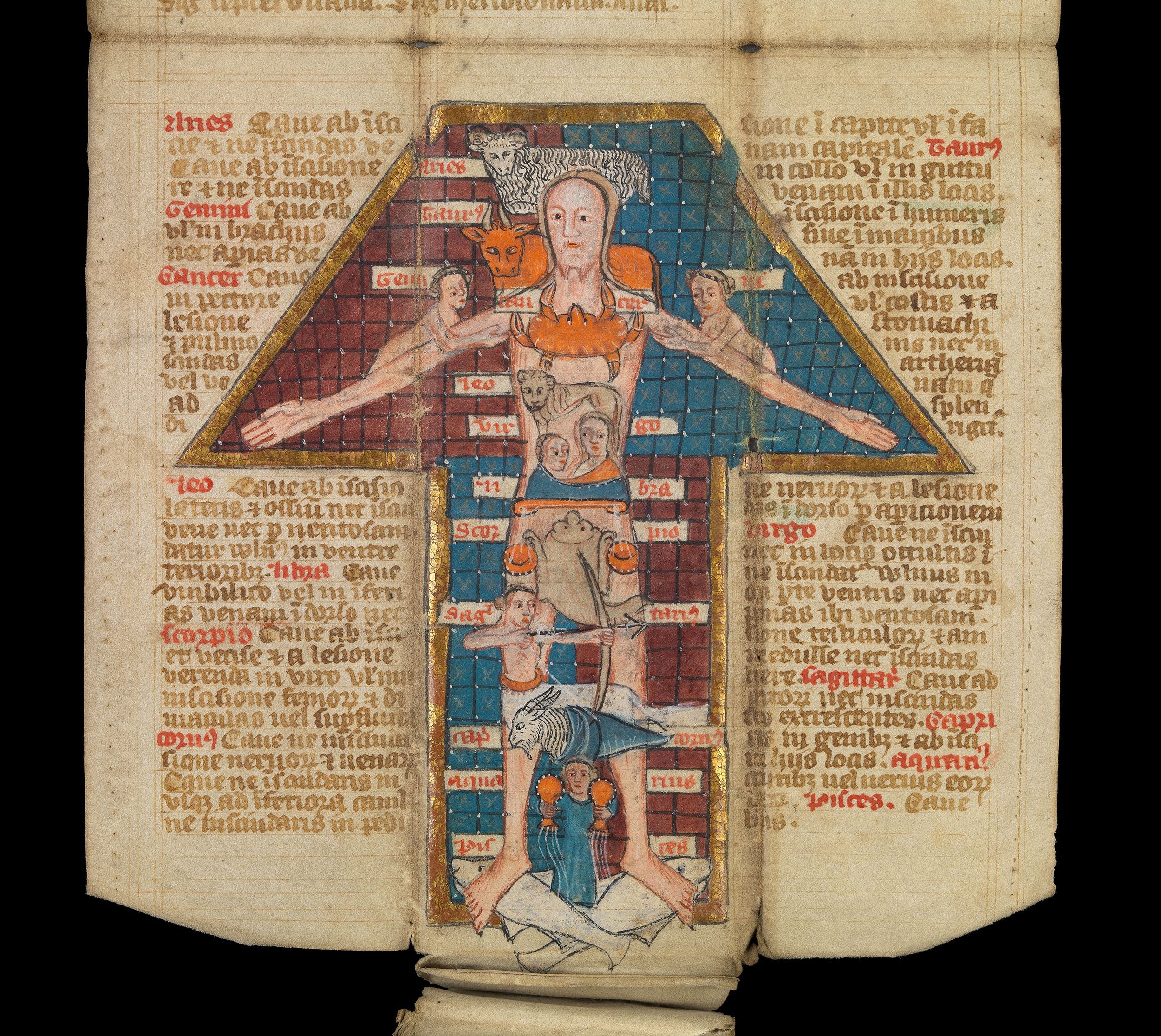
The Diploma Programme introduces students to the study of advanced research and design methods, and new approaches to practice. Throughout its history, the Diploma Programme has fostered some of the most innovative, challenging and progressive thinking in architecture.
As projects are developed within the Diploma Programme’s year-long studio units, students work to improve their technical proficiency and engage with a critical agenda relating to broader societal questions with which architecture intersects. Lively, informed debate permeates life in the Diploma Programme, inspiring students to develop rigorous, inventive design and research projects. This process allows students to find their voices as architects, but also offers a means of articulating ideas that they can carry with them into their professional careers.
The Diploma Programme (MArch) is a two-year full-time programme that accepts students who have completed the Intermediate Programme at the AA, as well as eligible new students who have studied elsewhere. The programme leads to the AA Final Examination (ARB/RIBA Part 2) and is structured around a unit system, in which small design studios (12–14 students) operate a vertical structure of Fourth and Fifth Year students.
In parallel to the design units, Core Studies is a suite of compulsory courses that are central to the study of architecture. Its lectures, participatory seminars and workshops are designed to develop expertise in environmental and technical studies, history and theory, and professional practice.
Fourth and Fifth Year Design Units
| Unit | Title | Programme Staff |
|---|---|---|
| 1 | The Language of Cities | Miraj Ahmed, Martin Jameson |
| 2 | Relational Architecture as Commons | Nick Almond, Torange Khonsari, Mehrdad Seyf |
| 3 | The Living Ecology III – The Marvellous Ecologian | Jonas Lundberg, Andrew Yau, Ka Yu Chan |
| 4 | Climate Peace: How heavy is a city? | John Palmesino, Ann-Sofi Rönnskog |
| 5 | Bodies, Borders and Boundaries | Nana Biamah-Ofosu, Giles Tettey Nartey |
| 6 | Consistency: Urban Infrastructures and Architectural Thinking | Maria Fedorchenko |
| 7 | Fluid Territories: On Property and Laziness | Platon Issaias, Hamed Khosravi, Georgia Hablützel |
| 8 | Transience | Nuria Alvarez Lombardero, Francisco González de Canales |
| 9 | Universal Free Housing: Para-site | Taneli Mansikkamäki, Calvin Po |
| 10 | Transforming Transformations | Larissa Begault, Carlos Villanueva Brandt |
| 11 | Unearthing Futures | Shin Egashira |
| 12 | Hauntings and Auguries: Exploring Future Architectures through Cultural Technologies | Pol Esteve Castelló, Inigo Minns |
| 13 | In Use | Elena Palacios Carral, Lola Lozano Lara, Jon Lopez |
| 14 | Earth Machines | Nicholas Lobo Brennan, Astrid Smitham |
| 15 | Another Medieval | Lawrence Barth, Lucy Styles |
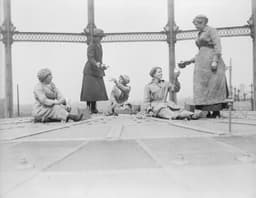
| 16 | A House Full of Hot Air | Ryan Dillon, David Greene |
| 17 | Margins: The Architecture of Mediation | Theo Sarantoglou Lalis, Dora Sweijd |
| 19 | Architectures of Schismogenesis: Syncretism as a Method | Brendon Carlin, James Kwang-Ho Chung |
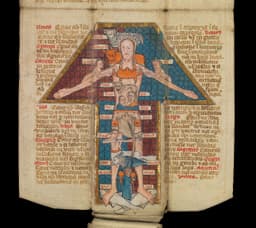
| 20 | STUDIOLO | Gianfranco Bombaci, Matteo Costanzo, Davide Sacconi |
 The Language of Cities
 Relational Architecture as Commons
 The Living Ecology III – The Marvellous Ecologian
 Climate Peace: How heavy is a city?
 Bodies, Borders and Boundaries
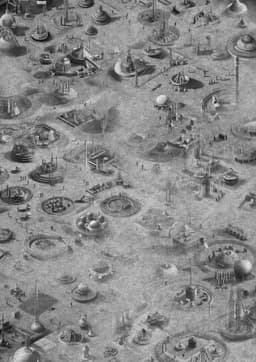 Consistency: Urban Infrastructures and Architectural Thinking
 Fluid Territories: On Property and Laziness
 Transience
 Universal Free Housing: Para-site
 Transforming Transformations
 Unearthing Futures
 Hauntings and Auguries: Exploring Future Architectures through Cultural Technologies
 In Use
 Earth Machines
 Another Medieval
 A House Full of Hot Air
 Margins: The Architecture of Mediation
 Architectures of Schismogenesis: Syncretism as a Method
 STUDIOLO
Fourth and Fifth Year Core Studies
| Title | Programme Heads |
|---|---|
| Architectural Professional Practice | Theo Lorenz |
| Diploma Environmental and Technical Studies | Javier Castañón, Nacho Marti |
| Diploma History and Theory Studies | Rosy Head, Nicholas Simcik-Arese |
| Diploma Electives | Inigo Minns |